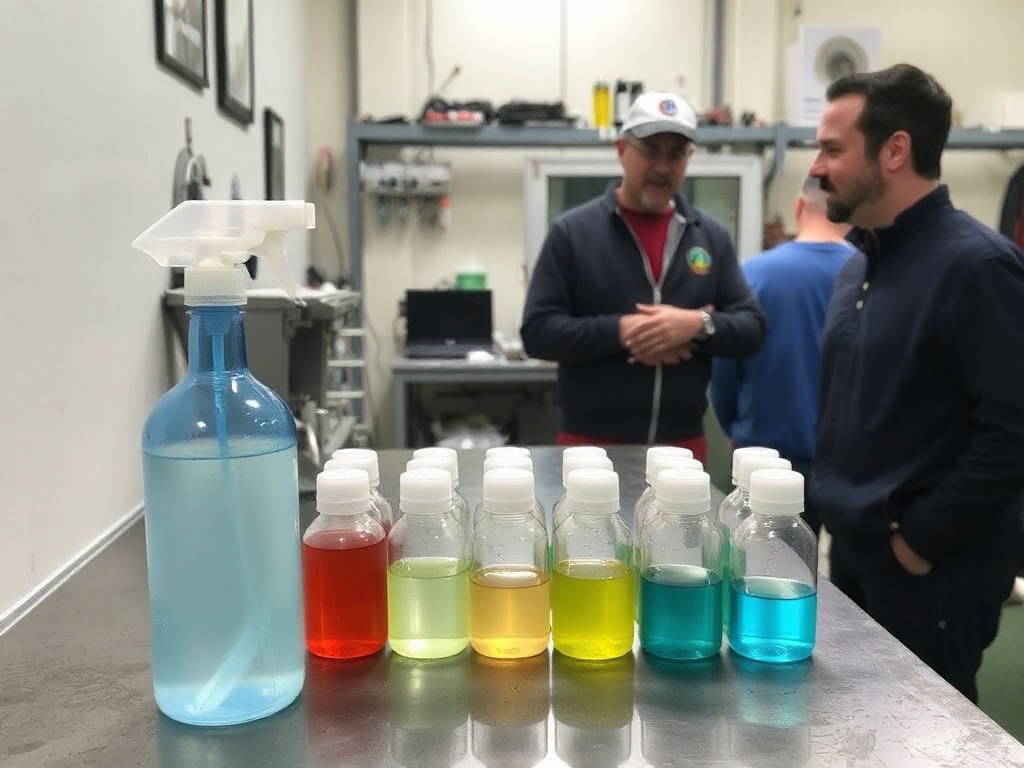
In the precision-driven world of industrial metal finishing and surface preparation, the right pretreatment cleaner can determine the success of downstream processes like electroplating, powder coating, or painting. Poor surface activation leads to adhesion failures, corrosion problems, rework, and costly warranty claims. Many mid-sized industrial chemical suppliers find themselves limited by aging formulas or dependence on third-party products, especially as customer requirements tighten.
This in-depth case study explores how one established Midwest industrial cleaning company used professional chemical reverse engineering to analyze a high-performing competitor product. They optimized the formula to address specific client pain points, transitioned smoothly to contract manufacturing, and successfully launched their own proprietary branded metal surface pretreatment cleaner. The approach delivered the shortest time to market, lowest development costs, and minimal risk—key advantages for companies serving demanding automotive, aerospace, and heavy equipment manufacturers.
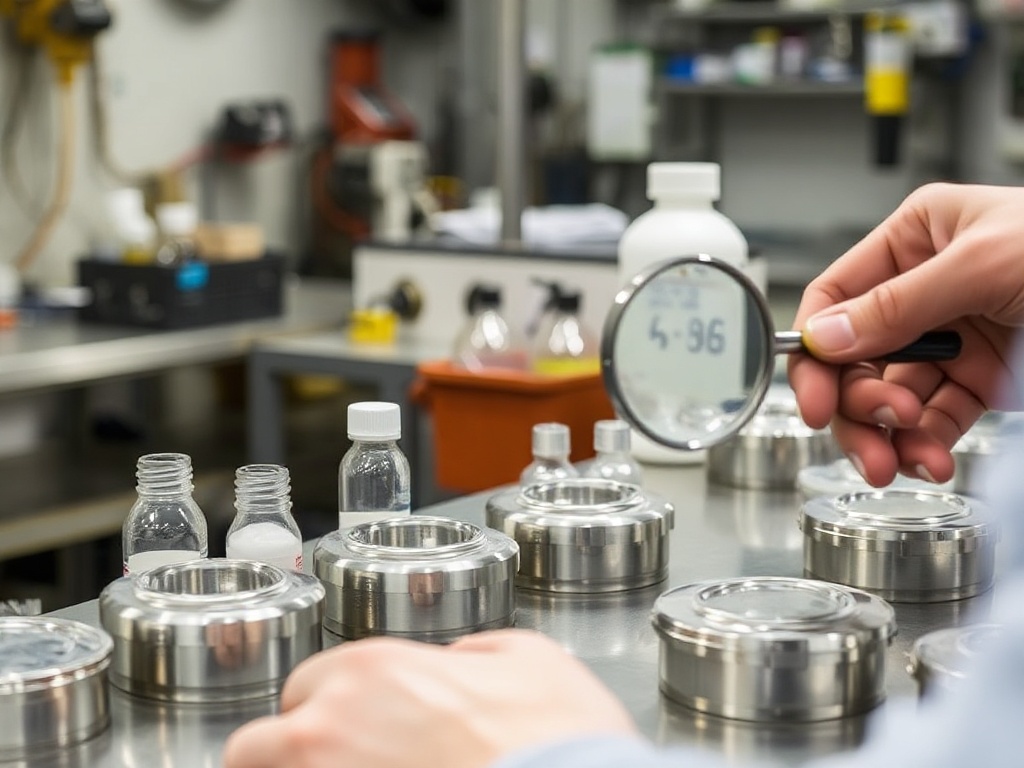
The Growing Importance of Metal Surface Pretreatment Cleaners in U.S. Manufacturing
Metal pretreatment cleaners are foundational in coating, plating, and painting operations. They remove oils, oxides, scale, and other contaminants while activating the substrate for superior adhesion. With evolving demands from industries facing stricter quality standards, new alloys, and environmental regulations, these cleaners must deliver consistent results across steel, aluminum, galvanized metals, and mixed assemblies.
Formulations typically rely on a precise balance of alkaline or acidic builders, chelating agents, surfactants, corrosion inhibitors, and specialty additives. As client specifications advance, older products often fail to keep pace, creating opportunities for companies willing to invest in smarter product development strategies.
For firms already providing custom cleaning solutions and process consulting, introducing a proprietary pretreatment cleaner strengthens margins, improves supply chain control, and enhances competitive positioning.
The Company: A Midwest Industrial Cleaning Specialist
Located in the Cleveland, Ohio region—a historic hub for steel, automotive supply chains, aerospace components, and heavy manufacturing—this company had built a strong reputation over 16+ years. They specialized in designing tailored surface cleaning programs for large clients preparing parts for electroplating, coating, or other critical finishing processes.
While their service expertise was excellent, their core alkaline pretreatment cleaner was increasingly inadequate for newer client requirements. The leadership team recognized the need for a modern, high-performance solution under their own brand.
The Challenge: Shifting Customer Requirements and Performance Shortfalls
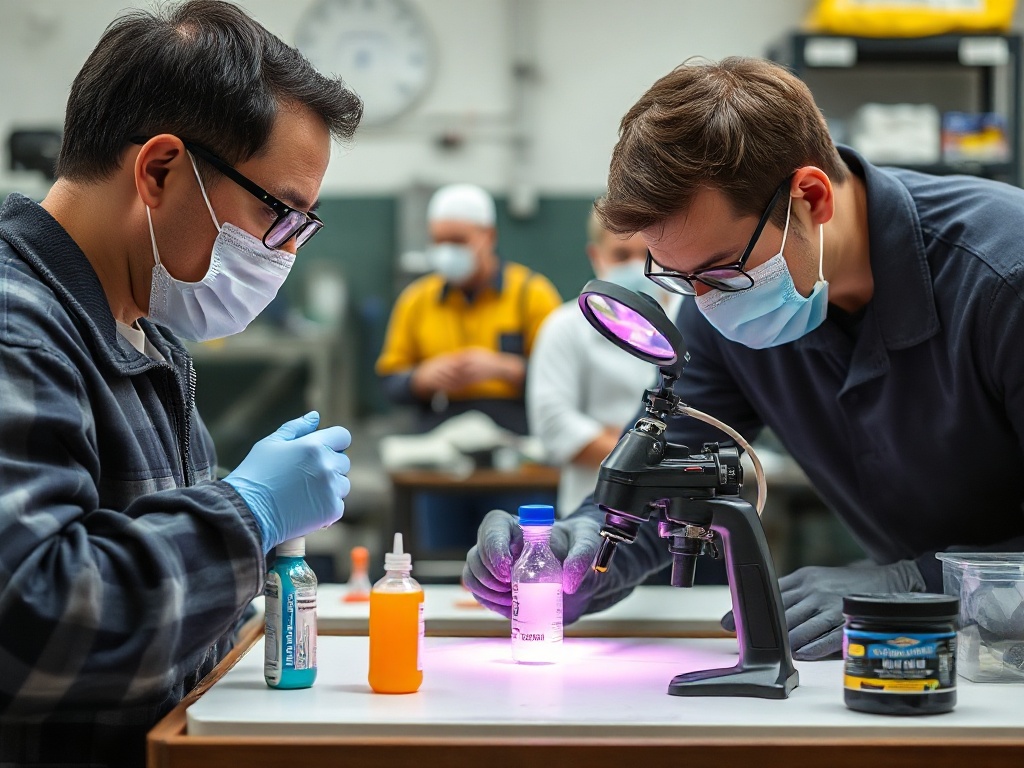
Several key accounts began demanding better performance to support updated production lines. New high-strength alloys required more effective oxide removal and activation. Powder coating customers needed ultra-low residue to avoid defects. Aerospace and automotive clients pushed for reduced ionic contamination and improved interim corrosion protection.
The existing formula struggled with:
- Inconsistent results on mixed-metal parts.
- Excessive foaming in high-pressure spray systems.
- Inadequate chelation in variable hard water conditions common in the Midwest.
- Extended processing times that reduced line efficiency.
- Rising rework rates and field failures in downstream coating steps.
These issues increased costs and risked long-term client relationships. During routine site visits, the sales and technical teams observed that some customers were achieving noticeably better outcomes with a particular competitor’s pretreatment cleaner. Client feedback consistently praised its cleaning efficiency, rinseability, bath stability, and reliable adhesion promotion across varied conditions.
Market Intelligence That Drove the Decision
Instead of incremental tweaks or expensive internal R&D, the company conducted focused market research. They gathered detailed feedback from multiple accounts and reviewed purchasing trends. It was evident that the competitor product was gaining traction precisely because it solved many of the pain points their own formula could no longer address.
This created a clear strategic opportunity. By reverse engineering the successful product, they could replicate its proven strengths, incorporate targeted improvements for their regional clients and processes, and launch a superior version under their own label. This move would reduce dependence on external suppliers, improve margins, and position them as an innovative full-solution provider.
Developing a new formula from scratch was projected to take 18–24 months with significant risk of failure. Reverse engineering offered a faster, lower-cost, and lower-risk alternative.
The Science Behind Effective Metal Pretreatment Cleaners
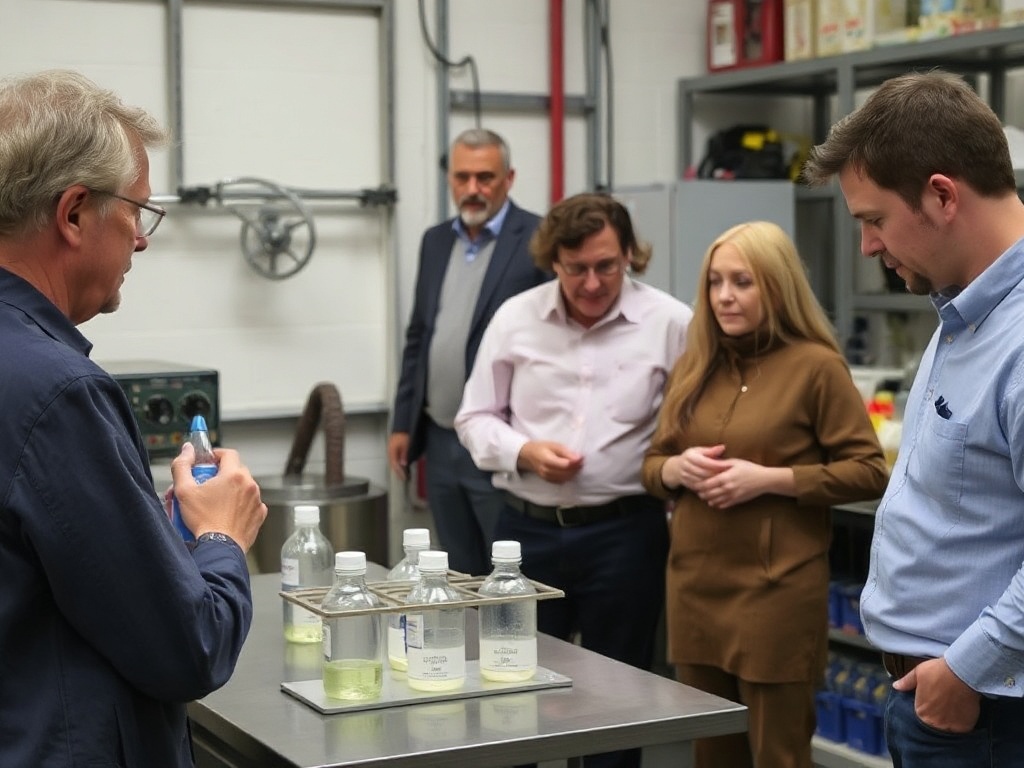
High-performing pretreatment cleaners depend on sophisticated chemical synergy:
- Builders: Deliver primary cleaning power and maintain optimal pH.
- Chelating Agents: Manage hard water ions and prevent redeposition of soils.
- Surfactant Blends: Provide wetting, emulsification, and controlled foaming.
- Corrosion Inhibitors: Safeguard sensitive metals during cleaning and storage.
- Specialty Additives: Enhance rinseability, defoaming, and compatibility with subsequent steps.
Minor differences in ingredient ratios or quality can dramatically impact bath life, wastewater characteristics, and overall process reliability.
The Reverse Engineering Approach: From Competitor Sample to Actionable Insights
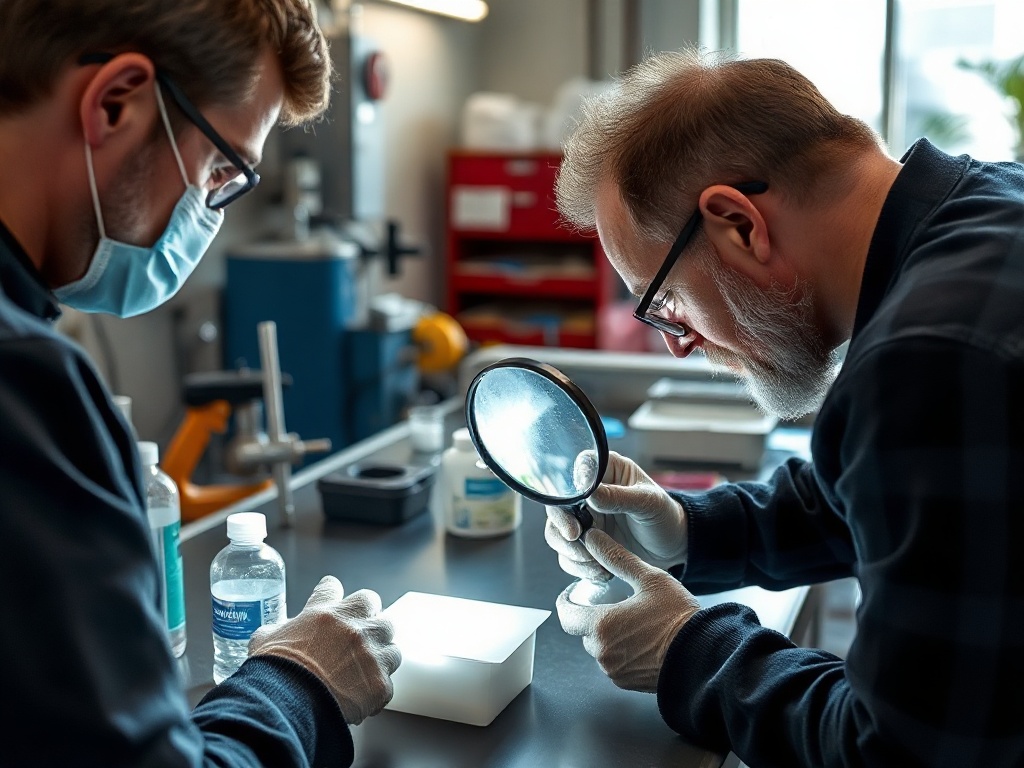
The company supplied samples of the target product to Formulation Analysis. Our laboratory team conducted a thorough deformulation and competitive benchmarking analysis utilizing:
- GC-MS and HPLC for detailed surfactant and organic profiling.
- FTIR and NMR for polymer and functional group characterization.
- ICP-OES for inorganic builders, chelators, and trace metals.
- Application-specific testing for foam, cleaning efficacy, rinse performance, and surface activation.
The comprehensive report delivered within the standard 15–20 business days provided precise compositional data, functional mechanisms, and performance correlations—giving the client a solid, proven foundation instead of starting from scratch.
From Analysis to Optimized Proprietary Formula: Step-by-Step
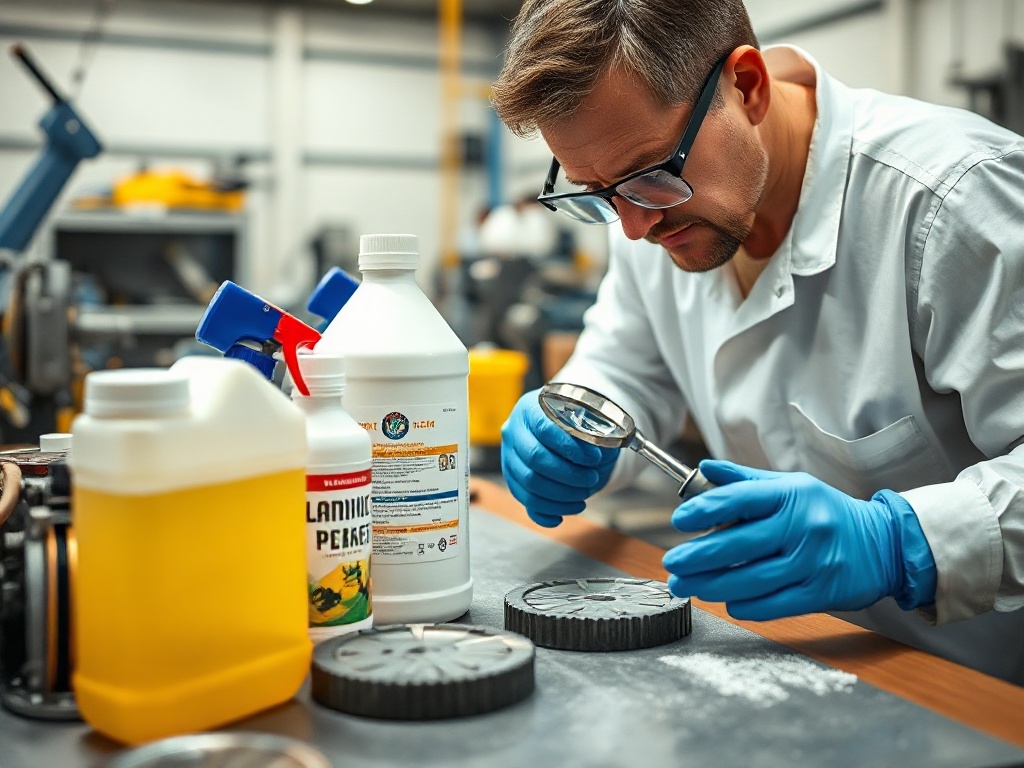
Phase 1: Benchmarking and Gap Identification We mapped the competitor chemistry against the company’s current product and documented client issues. This revealed the exact surfactant synergies, chelation strength, and inhibitor balance driving superior results.
Phase 2: Customization and Optimization Collaborating closely with the client’s technical team, we refined the formula for Midwest manufacturing conditions and specific customer needs:
- Upgraded low-foam surfactant system optimized for spray and immersion lines.
- Strengthened chelating package effective across varying water hardness.
- Enhanced multi-metal corrosion protection, including aluminum and galvanized substrates.
- Cost-optimized ingredients using reliable U.S. sources without compromising performance.
- Improved biodegradability and wastewater compatibility to meet tightening regulations.
The optimized version maintained the benchmark’s strengths while delivering meaningful improvements tailored to real-world client operations.
Phase 3: Rigorous Validation and Field Testing Extensive laboratory and on-site trials followed, including corrosion testing, coating adhesion evaluations, and production line simulations. The new formula consistently outperformed the original benchmark across key metrics.
Phase 4: Manufacturing and Regulatory Readiness We provided complete documentation for SDS creation, EPA and TSCA compliance, labeling, detailed mixing protocols, quality control parameters, and scale-up guidelines suitable for contract manufacturers.
Addressing Common Obstacles for Industrial Chemical Providers
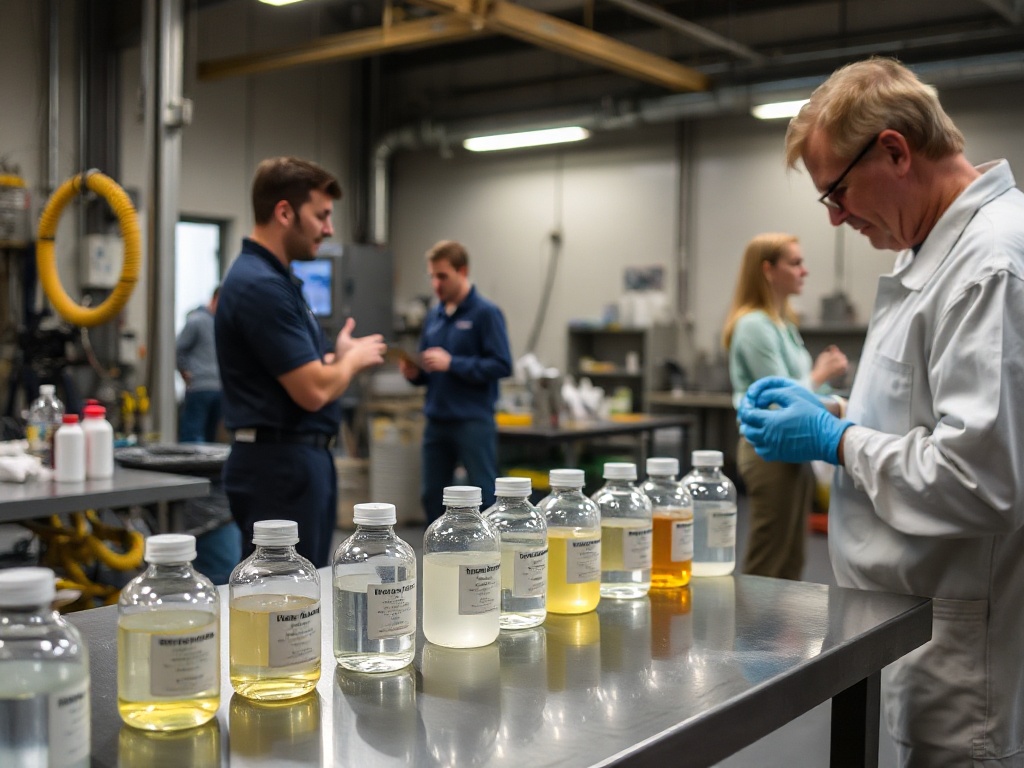
Companies in this sector frequently encounter:
- Rapid evolution of client specifications and materials.
- Limited in-house analytical resources for deep formulation work.
- High financial and reputational risks from underperforming products.
- Dependence on external suppliers limiting customization and profitability.
The reverse engineering pathway allowed this Midwest company to overcome these barriers efficiently. The full journey—from initial consultation to production-ready formula—took under 8 months, dramatically shorter and less expensive than traditional development.
Seamless Transition to Contract Manufacturing
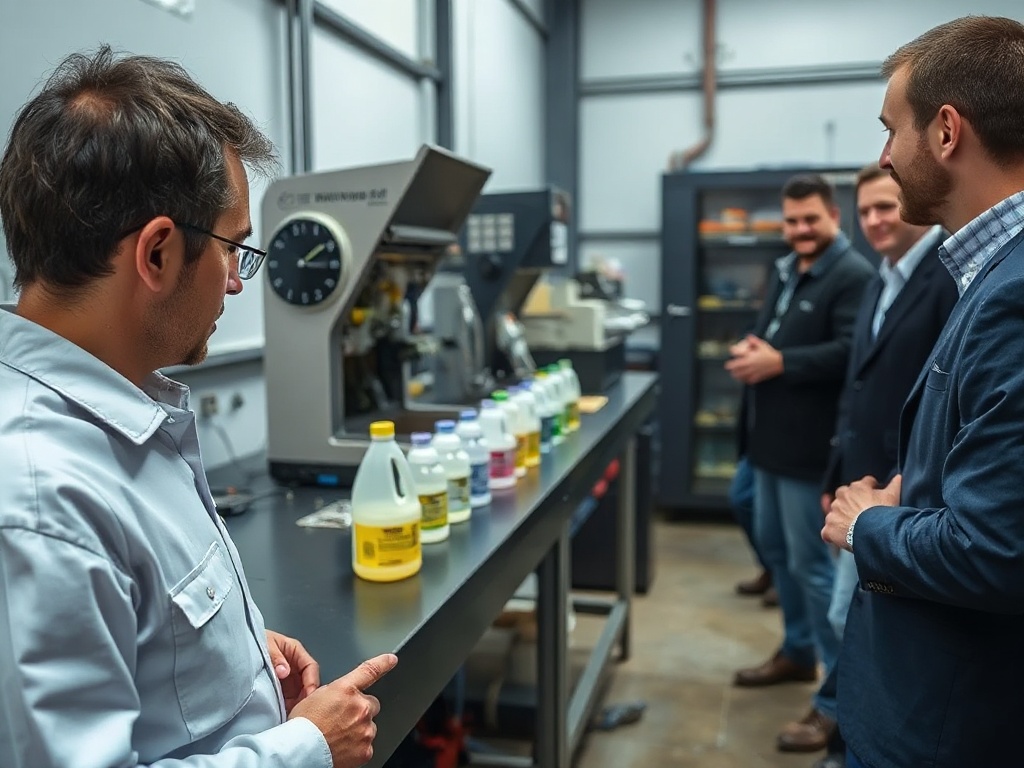
With a detailed, production-ready package in hand, the company partnered with a reputable Midwest contract manufacturer experienced in industrial cleaners. The analytical data and performance specifications streamlined qualification and scale-up. Initial commercial batches demonstrated excellent consistency and met all quality standards.
Professional branding and technical literature emphasized reliability for demanding industrial applications and regional expertise.
Launch Success and Business Impact
The new branded metal surface pretreatment cleaner quickly became a flagship offering. It was marketed as a versatile, high-efficiency solution for plating, coating, and painting preparation.
Measurable Outcomes:
- Improved client satisfaction and stronger retention.
- Significant reduction in rework and downstream coating failures.
- Higher profit margins through formulation ownership and optimized raw materials.
- Ability to develop custom variants for specific accounts.
- Enhanced competitive edge against larger national suppliers.
- Foundation for expanding the product line with complementary cleaners and inhibitors.
The company achieved faster adaptation to market changes and greater control over its future growth.
Why Reverse Engineering Delivers the Fastest, Most Cost-Effective, and Lowest-Risk Route to Product Ownership
This case clearly illustrates the advantages for industrial suppliers:
- Shortest Time to Market: Build on proven chemistry rather than prolonged experimentation.
- Lowest Development Costs: Minimize wasted materials and failed prototypes.
- Reduced Risk: Launch with data-backed confidence in performance and stability.
- Superior Customization: Solve your clients’ exact pain points.
- Scalable Production: Receive specifications contract manufacturers can execute reliably.
Key Takeaways for Industrial Cleaning and Metal Finishing Companies
- Monitor Customer Feedback Closely: Evolving needs and competitor usage patterns signal clear opportunities.
- Leverage Competitive Intelligence: Benchmarking reveals what actually works in the field.
- Focus on Meaningful Optimization: Improve on proven formulas rather than copying exactly.
- Integrate Manufacturing Considerations Early: Ensure the formula is ready for scale-up.
- Think Portfolio-Wide: One successful product often supports additional offerings.
Expanding Your Industrial Chemical Portfolio
A strong pretreatment cleaner serves as an anchor for related products such as heavy-duty degreasers, acid pickling solutions, spray wash detergents, and post-treatment rinses. Shared technical knowledge and supply chains accelerate expansion.
Ready to Take Control of Your Metal Pretreatment or Industrial Cleaner Formulations?
At Formulation Analysis, we help industrial chemical companies, formulators, and suppliers decode complex cleaners, pretreatments, and surface treatment products. Our services include full reverse engineering, competitive benchmarking, formula optimization, stability testing, and contract manufacturing guidance.
Whether you face performance gaps, new client demands, or want greater independence from suppliers, our team provides precise, production-focused chemical insights with complete confidentiality.
Contact Us Today for a Free Initial Consultation
Phone: +1 (859) 216-8899 Email: info@formulationanalysis.com Website: www.formulationanalysis.com
Our specialists usually respond within 24 hours and can outline a customized project plan based on your specific challenges and goals.
Related Resources:
- Industrial Cleaner Reverse Engineering Services
- What Is the Reverse Engineering Process? How Long Does Chemical Deformulation Take in the U.S.?
- How U.S. SMEs Reduce Chemical R&D Costs Without Slowing Innovation
- Why You Must Optimize After Reverse Engineering
- How Small Businesses Launch Chemical Products Without a Full Lab
- Paint & Coating Formulation Analysis