In the demanding world of commercial and infrastructure waterproofing, product reliability isn’t just a selling point—it’s the difference between a successful project and costly callbacks. For contractors handling roofs, tunnels, bridges, and other critical structures, a single formulation failure can lead to water intrusion, structural damage, and expensive liability claims.
This in-depth case study follows a mid-sized waterproofing company based in the Chicago metropolitan area as they moved from dependence on a problematic third-party coating to full ownership of their own branded elastomeric roof and protective coating system. By leveraging professional chemical reverse engineering and targeted formulation optimization, they addressed real-world application challenges, reduced after-sales issues, and achieved faster, more profitable growth.
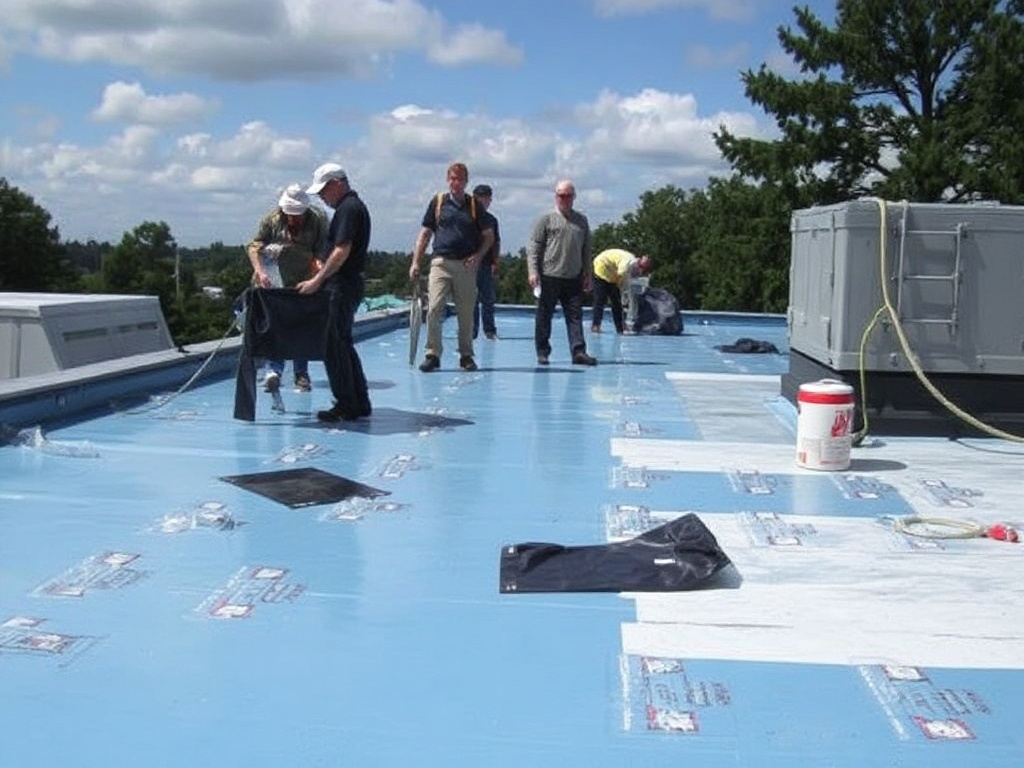
The Growing Demand for High-Performance Waterproof and Protective Roof Coatings in the U.S.
The U.S. roofing and construction coatings market continues to expand due to aging infrastructure, extreme weather events, and stricter energy efficiency standards. Elastomeric coatings—flexible, seamless membranes that expand and contract with temperature changes—have become essential for flat and low-slope roofs, as well as bridges, tunnels, and industrial facilities.
Key performance requirements include superior waterproofing, crack-bridging ability, UV resistance, adhesion to diverse substrates, and long-term durability under thermal cycling and ponding water. Contractors and specifiers increasingly seek versatile products that work across multiple application methods (spray, roller, brush) and varying job-site conditions.
For established waterproofing firms, developing or improving a proprietary coating line offers higher margins, better project control, and stronger differentiation in competitive bidding.
Meet the Client: Midwest Shield Waterproofing in Chicago, Illinois
Chicago and the surrounding Midwest region serve as a major hub for construction chemicals and infrastructure projects. With its harsh winters, heavy rainfall, freeze-thaw cycles, and dense network of bridges, tunnels, and commercial buildings, the area demands robust protective solutions.
Midwest Shield Waterproofing had built a solid reputation over 18 years specializing in commercial roofing, tunnel linings, bridge deck waterproofing, and below-grade structures. They applied coatings on warehouses, high-rises, parking garages, and public infrastructure throughout the Great Lakes region.
Like many contractors, they relied heavily on a popular national-brand elastomeric acrylic or polyurethane-modified coating system. While it performed adequately in ideal conditions, real-world variability created recurring headaches.
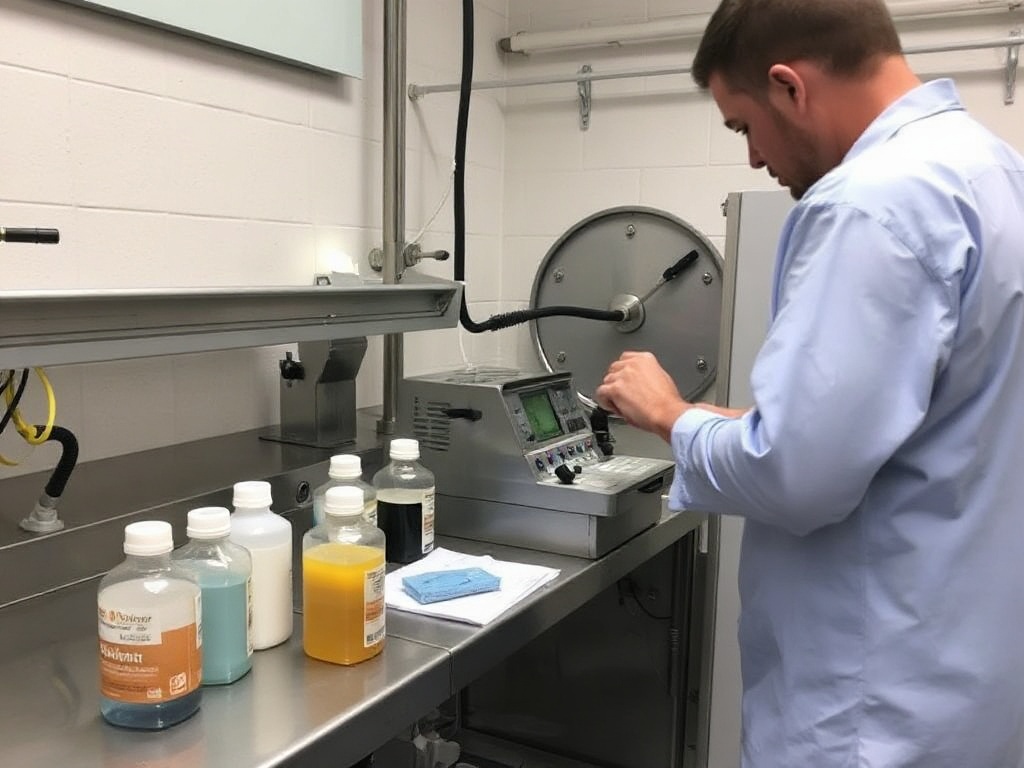
The Pain Points: Why the Existing Product Created Operational and Financial Drag
The off-the-shelf coating presented several critical limitations that directly impacted profitability and reputation:
Limited Application Versatility: The formula was optimized primarily for airless spray application. On jobs requiring roller or brush (common in tight spaces, vertical surfaces, or repair patches), it sagged, showed poor leveling, or failed to build proper film thickness. This restricted use on tunnels and bridges where access and methods vary widely.
Inconsistent Performance Across Substrates and Conditions: Adhesion issues appeared on aged EPDM, concrete with residual moisture, or metal flashing. In cold Chicago winters or humid summers, curing times and flexibility varied unpredictably, leading to cracking or peeling over time.
Short Pot Life and Sensitivity: Once mixed or opened, working time was limited, forcing crews to rush or discard material on complex projects. Temperature and humidity swings common in the Midwest exacerbated this.
High After-Sales and Warranty Claims: Field failures—such as premature weathering, dirt pickup, or water intrusion—resulted in more frequent callbacks, repairs, and disputes. These issues inflated costs and strained client relationships.
Supply Chain and Branding Constraints: Dependence on the supplier meant price volatility, minimum orders, lead times, and inability to customize for specific bids. Clients increasingly asked for “your own product” recommendations.
The owner estimated that formulation-related problems added 15-20% to project overhead through rework and lost productivity. Traditional R&D from scratch felt too slow and expensive for a service-focused business.
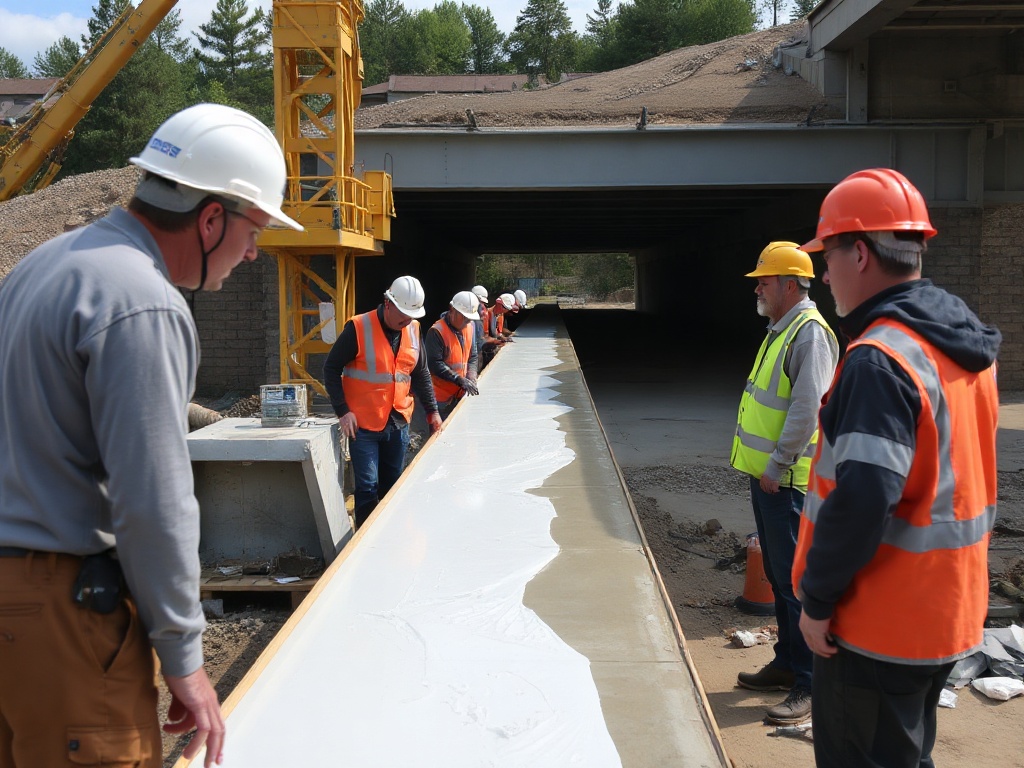
Understanding the Chemistry of High-Performance Elastomeric Roof Coatings
Modern waterproof roof coatings typically combine elastomeric polymers (acrylics, urethanes, silicones, or hybrids) with fillers, pigments, coalescents, rheology modifiers, UV stabilizers, and biocides.
- Polymer Backbone: Determines flexibility, adhesion, and weatherability.
- Fillers and Reinforcements: Influence build, crack-bridging, and cost.
- Additives: Control thixotropy (anti-sag), drying/curing speed, and surface properties.
Balancing these for broad application tolerance while maintaining long-term hydrostatic resistance and elongation is a complex task. Many commercial products excel in one area but compromise in others.
The Reverse Engineering Solution: From Competitor Sample to Proprietary Blueprint
Midwest Shield provided samples of the underperforming product plus a higher-performing competitor coating used successfully on select projects. Our team conducted a full deformulation and comparative benchmarking analysis using advanced techniques:
- FTIR and NMR for polymer identification and structure.
- GC-MS and HPLC for solvents, additives, and volatile components.
- ICP-OES and TGA for fillers, pigments, and thermal properties.
- Rheological testing for application behavior.
The detailed report, delivered in the standard 15-20 business days, revealed the precise ingredient ratios and functional mechanisms behind the superior product’s versatility and durability.
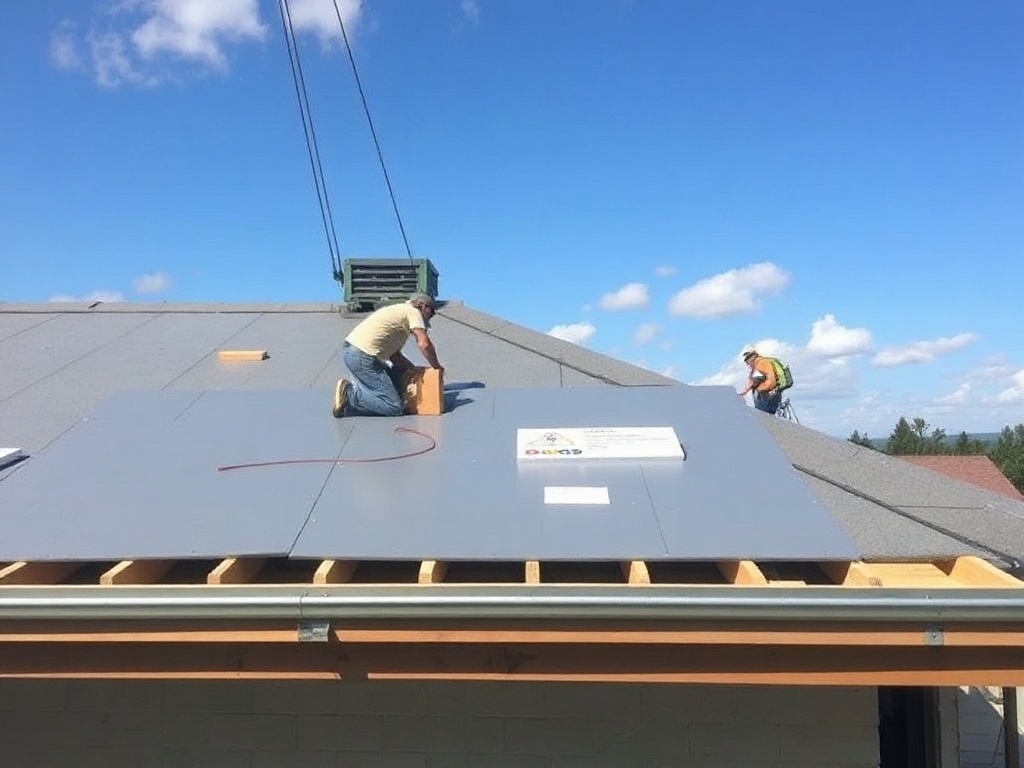
Step-by-Step: Transforming Analysis into a Customized, Production-Ready Formula
Phase 1: Comprehensive Benchmarking and Failure Mode Analysis We mapped chemical differences against documented field issues. This pinpointed deficiencies in rheology modifiers, polymer molecular weight distribution, and cross-linking that caused application and performance variability.
Phase 2: Targeted Optimization and Customization Collaborating with Midwest Shield’s technical manager, we developed an improved hybrid elastomeric system:
- Enhanced thixotropic additives for better sag resistance across spray, roller, and brush methods.
- Optimized polymer blends for broader temperature application window (-5°F to 100°F+) and improved adhesion to multiple substrates.
- Adjusted coalescents and cure kinetics for more forgiving pot life while ensuring full property development.
- Upgraded UV and weather-resistant packages to reduce chalking and dirt pickup in urban/industrial environments.
- Cost engineering to maintain competitive pricing while improving margins.
The new formula addressed the original product’s shortcomings without introducing new risks.
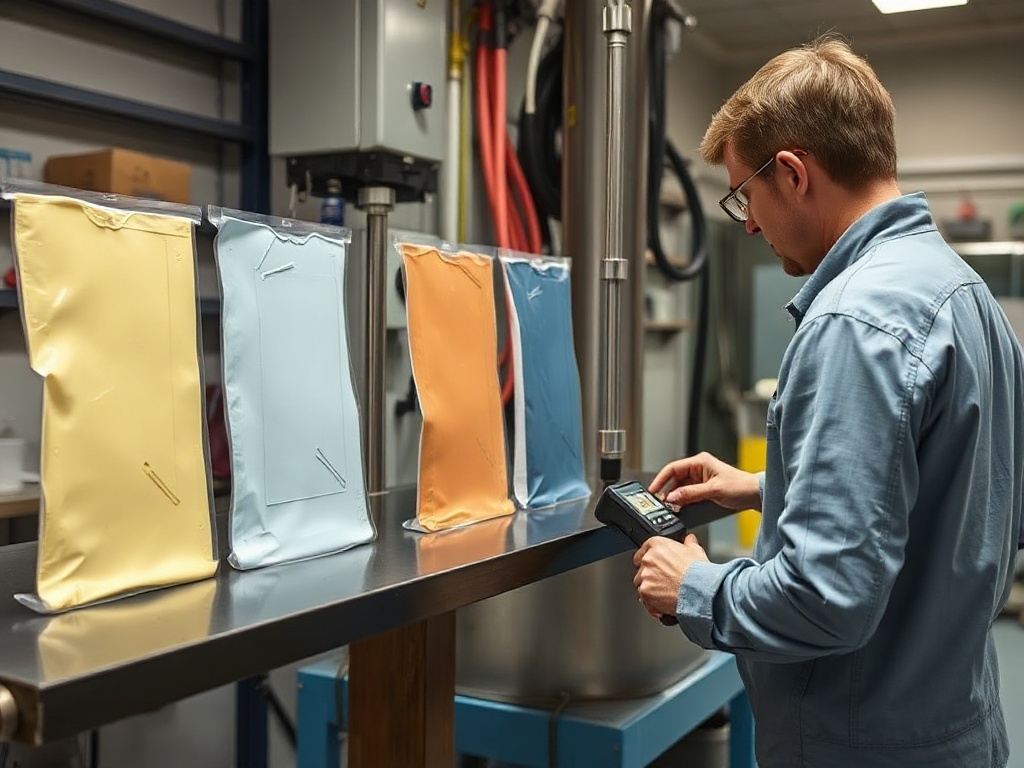
Phase 3: Rigorous Testing and Validation Accelerated weathering (QUV), freeze-thaw, tensile/elongation, and hydrostatic testing confirmed superior performance. Field trials on actual Chicago-area roofs validated real-world application ease and long-term results.
Phase 4: Regulatory Compliance and Manufacturing Readiness We supplied complete documentation for EPA, TSCA, VOC compliance (critical for many municipalities), SDS preparation, and detailed production instructions including mixing protocols and quality control checkpoints.
Overcoming Key Challenges Faced by Waterproofing Contractors
Many firms in the construction coatings space struggle with:
- Application Variability: Job sites rarely offer perfect conditions.
- Technical Expertise Gap: Contractors excel at installation, not polymer chemistry.
- Cost of Failures: Warranty claims erode profits quickly.
- Scaling Production: Moving from service provider to product manufacturer requires reliable processes.
Reverse engineering provided a proven foundation, allowing Midwest Shield to focus resources on optimization rather than basic discovery. The entire journey—from initial analysis to first commercial batch—took under 9 months, far faster and at lower cost than internal development.
From Lab to Production: Securing Reliable Contract Manufacturing
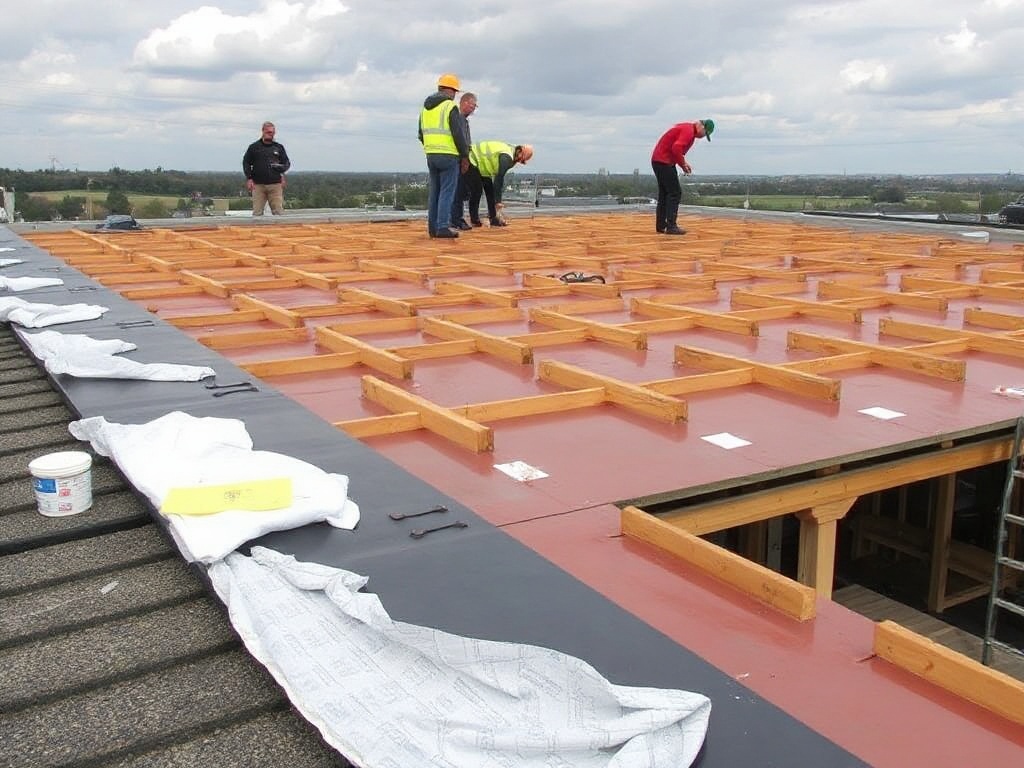
Armed with production-ready specifications, the company partnered with a specialized coatings manufacturer in the Midwest (near manufacturing hubs in Ohio and Illinois). The detailed analytical package and performance data streamlined qualification and scale-up. Initial batches passed stringent QC, confirming consistency across large volumes.
They invested in branded packaging emphasizing “Engineered for Midwest Conditions” and “Versatile Application for Demanding Infrastructure Projects.”
Successful Launch and Measurable Business Impact
Midwest Shield launched “ShieldFlex Pro Elastomeric Waterproof Coating” as their flagship product. It quickly became a differentiator in bids for commercial roofs, tunnel repairs, and bridge projects.
Key Outcomes:
- Dramatically reduced application-related failures and callbacks (estimated 60% drop in first year).
- Expanded project versatility, winning more diverse contracts.
- Improved margins through direct control of formulation and supply.
- Stronger brand recognition—clients now specify their coating system.
- Platform for line extensions (primers, topcoats, seam sealants).
The company reported higher project profitability and greater confidence in long-term warranties.
Why Benchmark-Driven Reverse Engineering Delivers the Lowest Risk Path for Construction Chemical Companies
This case highlights the strategic advantages for waterproofing and coatings businesses:
- Shortest Time to Market: Start with proven chemistry instead of years of experimentation.
- Lowest Development Costs: Minimize raw material waste and failed prototypes.
- Minimal Performance Risk: Launch with validated, data-backed results.
- True Customization: Solve your specific application pain points.
- Scalable Manufacturing: Receive specifications that contract manufacturers can execute reliably.
Lessons for Contractors and Manufacturers in the Protective Coatings Space
- Document Field Issues Thoroughly: Real-world feedback becomes your optimization roadmap.
- Benchmark Leaders Strategically: Understand what makes top products succeed under varied conditions.
- Partner with Analytical Experts: Gain insights beyond what in-house teams can achieve quickly.
- Prioritize Application Versatility: In construction, one-size-fits-most rarely works.
- Plan for Long-Term Support: Include stability, sourcing, and regulatory elements from the start.
Expanding Your Construction Coatings Portfolio
A successful base coating often leads to complementary products like fast-set primers, high-build membranes, or energy-reflective topcoats. Each benefits from shared infrastructure and brand strength.
Ready to Develop or Optimize Your Waterproofing and Protective Coatings?
At Formulation Analysis, we help contractors, applicators, and manufacturers in the construction chemicals sector gain clear chemical intelligence on coatings, sealants, and related systems. Our services include full reverse engineering, performance benchmarking, formula optimization, and production guidance.
Whether you face cracking, peeling, application limitations, or want to enter the premium protective coatings market, our team delivers actionable, production-focused results with full confidentiality.
Contact Us Today for a Free Initial Consultation
Phone: +1 (859) 216-8899 Email: info@formulationanalysis.com Website: www.formulationanalysis.com
Our PhD-led specialists typically respond within 24 hours and can outline a tailored approach based on your current products and challenges.
Additional Resources for Construction and Coatings Professionals: