Understanding the exact composition of a commercial chemical product should not rely on guesswork, incomplete SDS sheets, or costly internal trial-and-error.
Our laboratory-supported workflow provides U.S. manufacturers with a systematic, defensible, and technically rigorous process for full-spectrum qualitative and quantitative chemical analysis of industrial and specialty chemical formulations.
theoretical opinions, we generate laboratory-derived compositional intelligence using advanced instrumental techniques (e.g., GC-MS, HPLC, FTIR, ICP, and complementary analytical methods where required).
For manufacturers facing stalled product development, inconsistent performance, or unclear supplier disclosure, our process delivers actionable chemical clarity — without speculative assumptions.
Whether your objective is competitive benchmarking, reformulation planning, cost-structure evaluation, or regulatory assessment, our workflow is built to provide reliable compositional visibility that supports informed technical and commercial decision-making.
From initial consultation to comprehensive qualitative and quantitative reporting, our reverse engineering and deformulation workflow is designed to provide U.S. manufacturers with reliable compositional insight, technical clarity, and measurable benchmarking data.
Step 1 – Technical Feasibility & Project Scoping
We begin with a focused technical consultation to understand your product category, performance objectives, and analytical goals.
During this stage, we evaluate whether full-spectrum qualitative and quantitative chemical composition analysis is appropriate for your competitive benchmarking, reformulation support, or supplier transition initiative.
This ensures clarity, feasibility, and defined scope before laboratory work begins.
Step 2 – Confidentiality & Data Protection
Once scope alignment is confirmed, we execute a mutual Non-Disclosure Agreement (NDA) to safeguard all shared information.
Confidentiality and data protection are fundamental when conducting reverse engineering and deformulation services for commercial chemical products.
Step 3 – Sample Submission & Preliminary Assessment
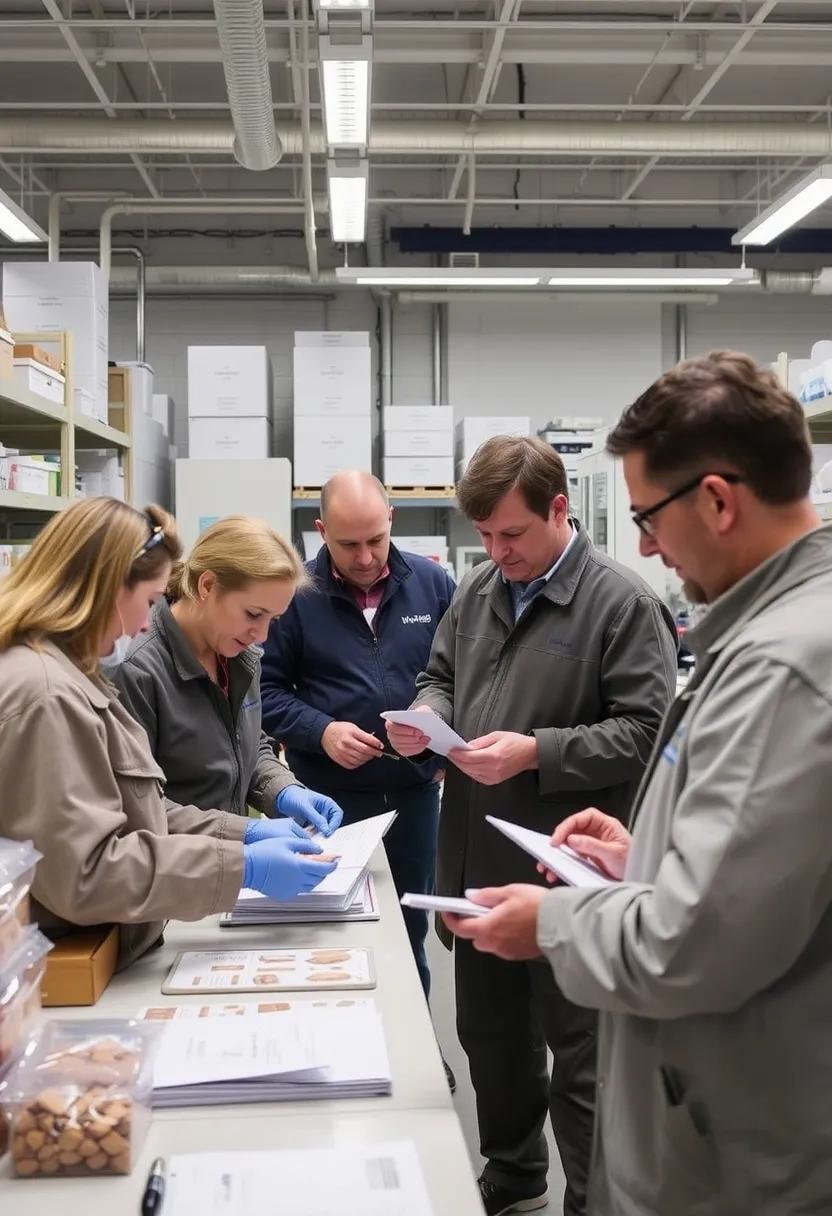
Clients submit product samples for controlled intake and initial material characterization.
We conduct preliminary screening to determine analytical complexity, instrumentation requirements, and estimated turnaround time.
A formal quotation and analytical service agreement are issued prior to proceeding with full laboratory testing.
Step 4 – Comprehensive Qualitative & Quantitative Analysis
Our structured deformulation process utilizes advanced analytical instrumentation, including FTIR, GC-MS, LC-MS, HPLC, ICP-OES, SEM-EDS, and complementary techniques as required.
We identify major, minor, and trace components and provide quantitative concentration estimates where technically achievable.
The final technical report delivers a detailed compositional breakdown, including polymer systems, additive packages, active ingredients, filler ratios, and formulation architecture insights.
Step 5 – Technical Review & Ongoing Reformulation Support
After report delivery, we provide structured technical clarification to ensure your team fully understands the analytical findings and compositional data.
Where appropriate, we can discuss reformulation support, optimization strategies, and production-oriented guidance based on laboratory insight and industry best practices.

Our final deliverables are designed to provide actionable data, benchmarking insight, and reliable internal R&D reference material.
Each report is structured for technical clarity, decision-making support, and formulation strategy development.
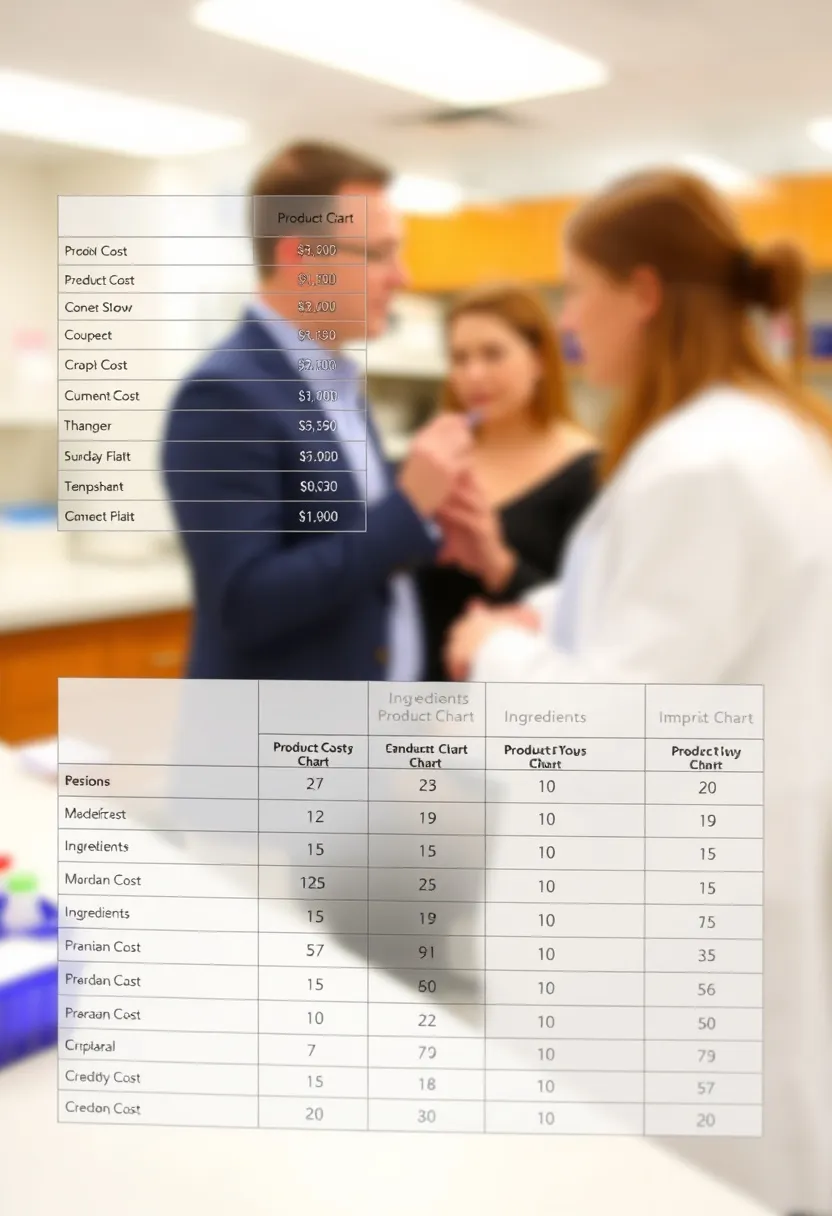
- Comprehensive Composition Table Identified ingredients and estimated concentrations (typically ≥0.1%), organized in a clear, structured table for competitive benchmarking.
- Documented Analytical Methods FTIR, GC-MS, LC-MS, HPLC, ICP-OES, SEM-EDS and related testing methods clearly referenced to support qualitative and quantitative conclusions.
- Technical Interpretation for R&D Concise formulation insight to guide internal reformulation, supplier comparison, and product optimization decisions.
Yes — this is one of the most common reasons companies request chemical composition analysis.
Our full qualitative and quantitative analysis provides visibility into active ingredients, additive systems, filler materials, polymer structures, and approximate concentration ranges. Instead of guessing what might be inside a competing product, you gain structured compositional data that can serve as a practical technical reference.
For many small and mid-size manufacturers, this significantly reduces formulation uncertainty. It offers a starting framework for internal R&D, contract manufacturing discussions, raw material sourcing decisions, and reformulation planning — without beginning from zero.
While production validation and performance testing are still necessary, having clear compositional insight dramatically shortens the development curve and lowers trial-and-error costs.
Absolutely.
Many of our clients are small manufacturers, private label brands, or new entrants without large formulation teams.
Our structured composition report becomes an internal technical reference — helping you communicate clearly with contract manufacturers, chemists, and raw material suppliers.
Yes.
Understanding component concentration ranges supports cost structure visibility and competitive benchmarking.
Clients often use the data to:
Identify high-cost actives
Compare supplier pricing
Evaluate reformulation opportunities
Reduce unnecessary additive load
It turns unknown formulation cost into measurable data.
Supplier transitions can introduce performance instability.
Chemical composition verification allows you to compare:
Existing product vs. new supplier sample
Active concentration differences
Filler or additive substitutions
This reduces supplier transition risk and protects product consistency.
Many startups and expanding brands use our analysis to accelerate market entry.
Instead of years of trial-and-error formulation, you gain compositional insight that supports:
Reformulation planning
Raw material sourcing
Pilot production discussions
Contract manufacturing negotiation
It shortens development cycles and reduces guesswork.
The report focuses on ingredient identification and quantitative estimation.
While we provide structured technical interpretation and formulation architecture insight, manufacturing process optimization typically requires pilot testing and production validation.
However, the analysis gives your production partner a clear starting framework.
While we do not replace regulatory consultants, composition transparency helps you:
Understand ingredient disclosure
Verify restricted substances
Prepare documentation discussions
Evaluate compliance risk
This reduces regulatory & compliance uncertainty before market launch.
We work across multiple industrial and specialty chemical sectors.
Whether your product involves polymers, emulsions, surfactant systems, inorganic fillers, or active compounds, our multi-instrument approach supports comprehensive chemical composition analysis.
Complex matrices are common in our workflow.
No.
Clients also use this for:
Internal product benchmarking
Batch-to-batch consistency checks
Private label verification
Acquisition due diligence
Reformulation support
Investor technical validation
It’s a strategic tool — not just competitor analysis.
For many small and mid-size chemical businesses, uncertainty is expensive:
R&D trial costs
Failed pilot runs
Raw material misselection
Supplier disputes
Delayed product launch
A structured compositional analysis often reduces those risks before they scale.