In the demanding world of industrial hydraulics, anti-wear hydraulic oils are the lifeblood of heavy machinery, manufacturing equipment, and mobile hydraulic systems. These fluids must deliver reliable wear protection, thermal stability, oxidation resistance, and consistent viscosity under extreme pressures and temperatures. When an existing formulation no longer meets evolving customer needs, the consequences can include equipment downtime, increased maintenance costs, and lost business.
This case study follows a Houston industrial lubricant company as they transitioned from reliance on an aging product to full ownership of a modern, high-performance anti-wear hydraulic oil. Through professional chemical reverse engineering and targeted optimization, they developed a proprietary formula that addressed specific client pain points, reduced costs, and strengthened their market position—all while achieving faster time-to-market with lower risk.
The U.S. Industrial Lubricants Market and the Critical Need for Anti-Wear Hydraulic Oils
Hydraulic systems power everything from construction equipment and factory automation to agricultural machinery and marine applications. Anti-wear hydraulic oils, often formulated to ISO VG grades with additives like zinc dialkyldithiophosphate (ZDDP) or ashless alternatives, are essential for preventing metal-to-metal contact, controlling friction, and extending component life.
Rising demands for higher operating pressures, longer fluid life, better energy efficiency, and compliance with environmental standards have pushed many suppliers to re-evaluate their offerings. For companies serving large industrial clients, developing or improving a proprietary hydraulic oil provides better control over performance, supply chain resilience, and profitability.
The Company: A Houston Industrial Lubricant Specialist
Houston, Texas, stands as a major center for energy, petrochemicals, manufacturing, and industrial lubricants. Its strategic location, extensive port facilities, and concentration of heavy industry make it an ideal base for companies formulating and supplying high-performance fluids.
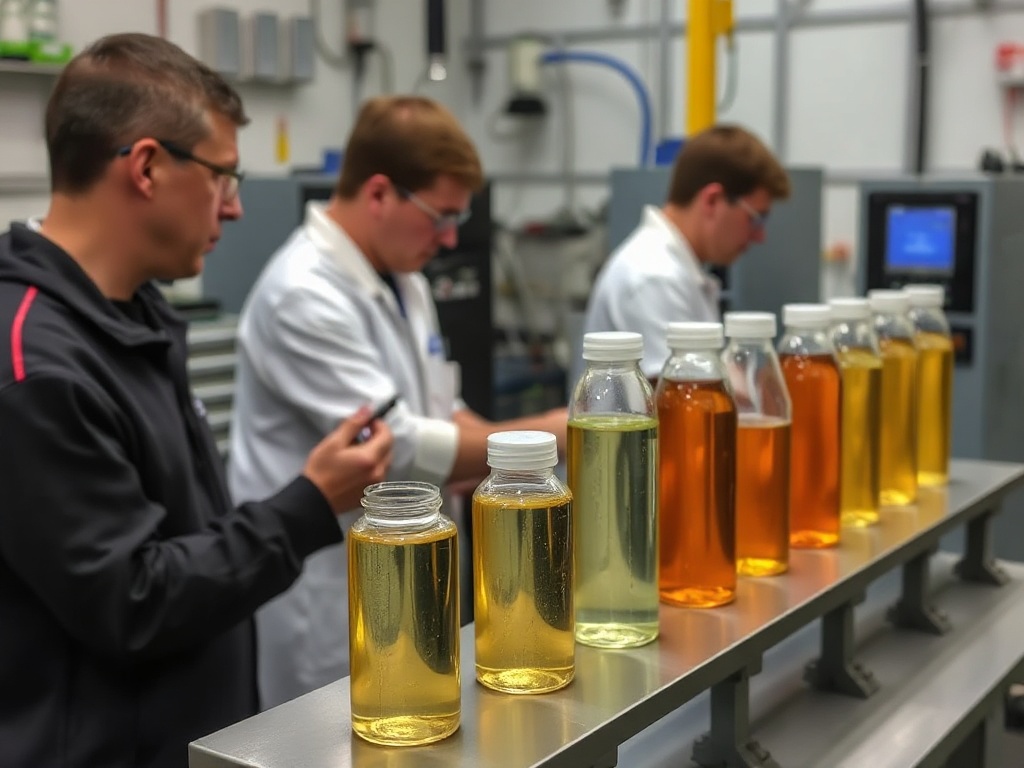
This established industrial lubricant company had built a solid reputation over more than 15 years providing custom hydraulic oil solutions, gear lubricants, and process fluids to large clients in manufacturing, construction, oilfield services, and marine sectors. Their technical team excelled at tailoring fluid recommendations to specific equipment and operating conditions.
However, their flagship anti-wear hydraulic oil was struggling to keep pace with new requirements.
The Challenge: Evolving Customer Needs and Formulation Limitations
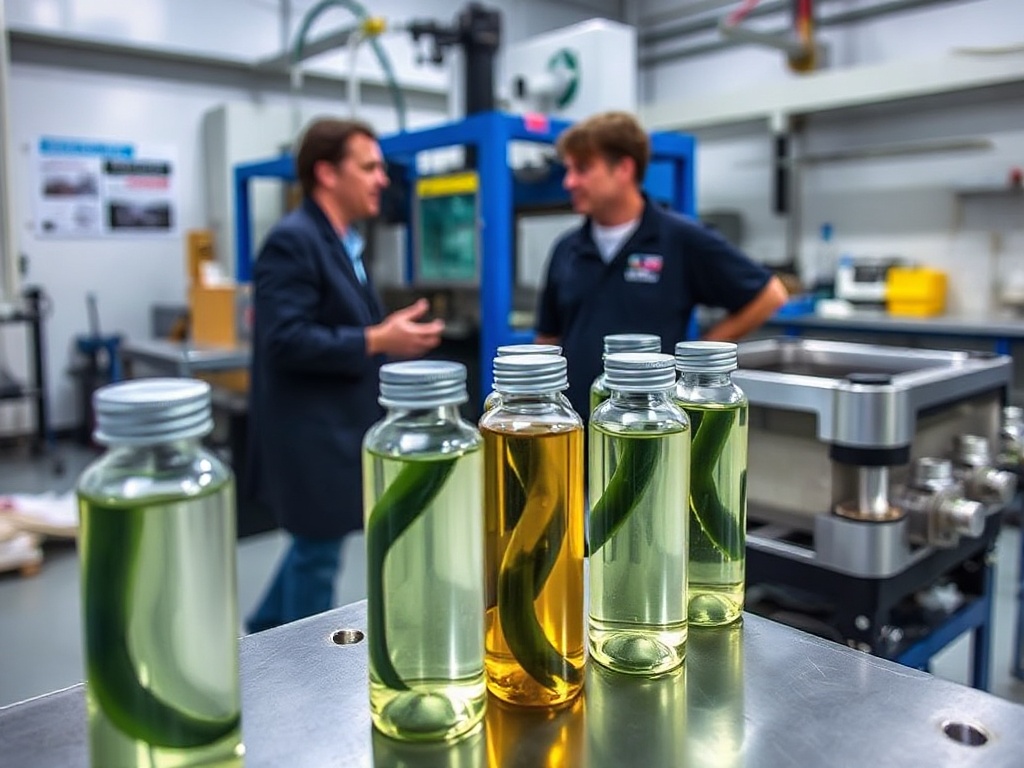
Several major clients began reporting issues tied to changing equipment designs and operating environments. Newer hydraulic systems ran at higher pressures and temperatures, demanding better thermal and oxidative stability. Some operations required improved filterability, reduced foaming, or better compatibility with seals and hoses. Environmental regulations and sustainability goals also pushed for lower toxicity and extended drain intervals.
The company’s current formulation performed adequately in standard conditions but showed limitations:
- Inadequate long-term wear protection under elevated loads.
- Viscosity breakdown and oxidation in high-temperature applications.
- Foaming and air entrainment issues in certain systems.
- Shorter service life leading to more frequent fluid changes and downtime.
- Difficulty meeting the latest OEM specifications for modern machinery.
These shortcomings resulted in increased client complaints, higher warranty exposure, and competitive pressure. During routine account reviews, the sales team discovered that several satisfied customers were achieving excellent results with a specific competitor’s anti-wear hydraulic oil. Feedback highlighted superior wear protection, outstanding stability, and reliable performance across a wide range of conditions.
Market Research That Identified the Opportunity
Recognizing the pattern, the company conducted structured market research. They collected detailed performance data from clients, reviewed competitor product usage, and analyzed independent lab reports where available. The evidence was clear: the competitor product was gaining preference because it delivered measurable improvements in equipment protection and fluid longevity.
Rather than continuing incremental adjustments to their existing formula, leadership decided to pursue reverse engineering. This approach would provide deep insights into the successful chemistry, allow targeted enhancements for their core clients, and enable launch of a differentiated product under their own brand. It aligned perfectly with their strategy of moving toward greater product ownership and reduced supplier dependence.
Traditional new formulation development was estimated at 12–24 months with substantial costs and uncertainty. Reverse engineering promised a far more efficient path.
The Chemistry of High-Performance Anti-Wear Hydraulic Oils
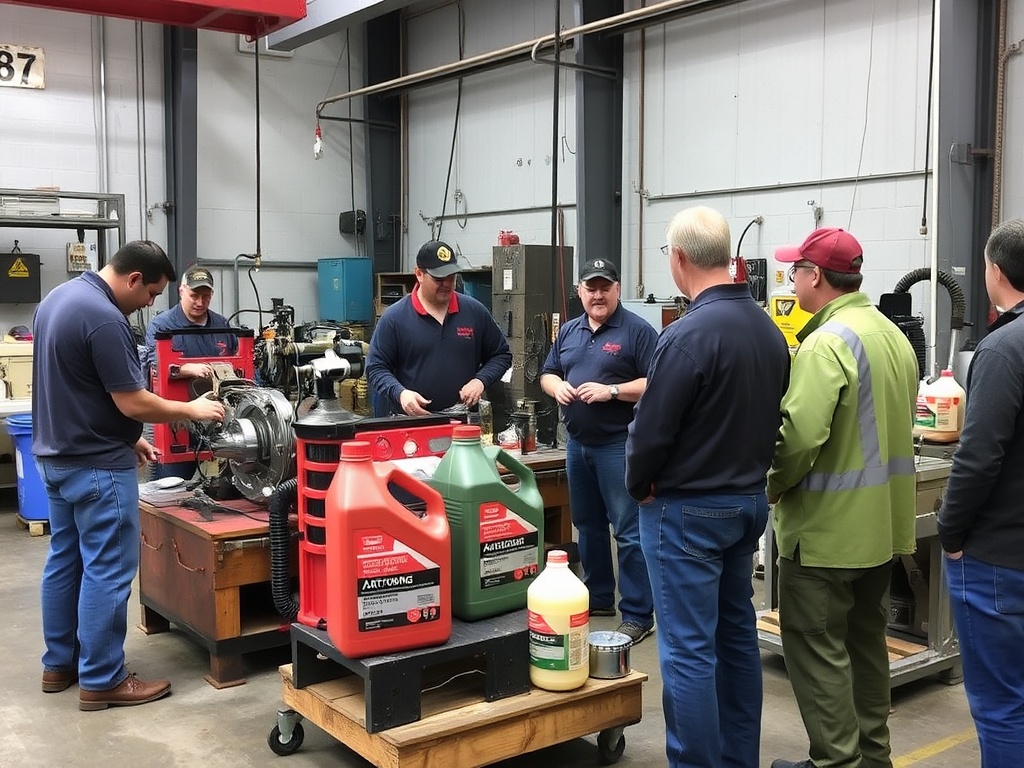
Modern anti-wear hydraulic oils combine carefully selected base stocks (Group II/III mineral oils or synthetics) with additive packages that include:
- Anti-Wear Agents: ZDDP or ashless alternatives for boundary lubrication.
- Antioxidants: Extend fluid life by combating oxidation.
- Viscosity Modifiers: Maintain viscosity index across temperature ranges.
- Corrosion Inhibitors and Demulsifiers: Protect components and manage water contamination.
- Foam Inhibitors and Other Additives: Ensure clean system operation.
Balancing these components for shear stability, hydrolytic stability, and compatibility is complex. Small changes can significantly impact overall performance and cost.
The Reverse Engineering Process: From Competitor Product to Proprietary Blueprint
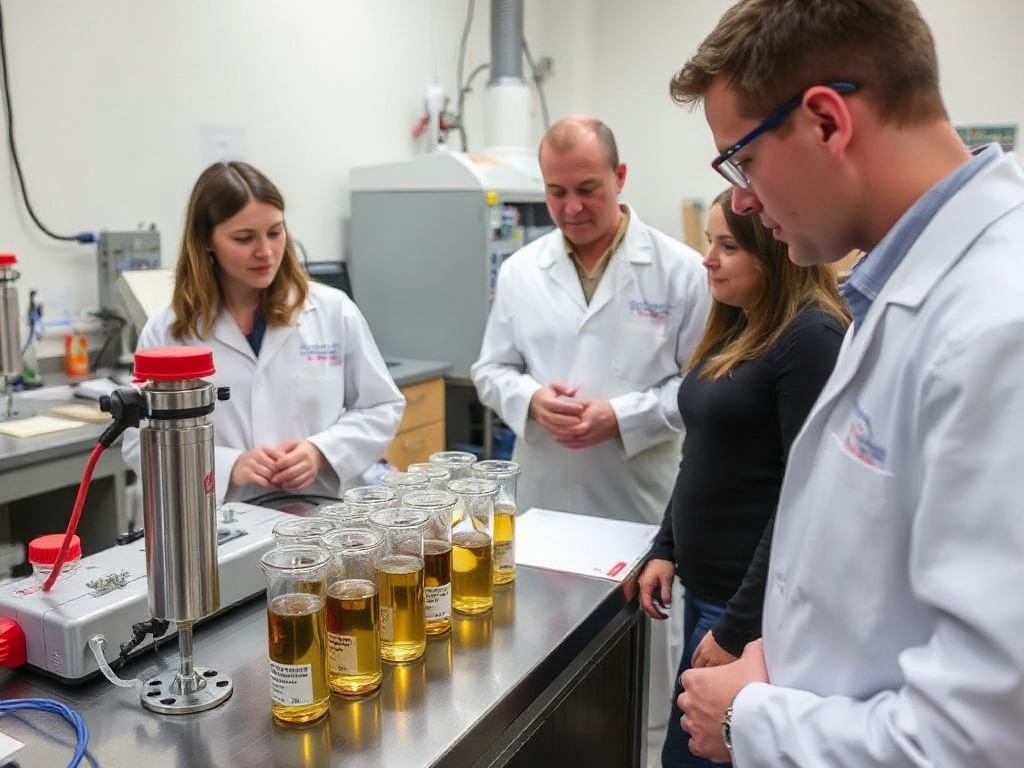
The company provided samples of the target product for analysis. Our laboratory team conducted a full deformulation and benchmarking study using advanced instrumentation:
- GC-MS and HPLC for additive identification and quantification.
- FTIR and NMR for base stock and polymer characterization.
- Elemental analysis and viscosity testing for performance correlations.
The detailed report, typically completed within 15–20 business days, delivered precise compositional data, functional insights, and comparisons that highlighted why the product excelled in real-world applications.
Step-by-Step: Building a Superior, Customized Formula
Phase 1: Benchmarking and Needs Assessment We mapped the competitor’s chemistry against documented client requirements and the company’s current product. This clearly identified the optimal anti-wear package, antioxidant synergy, and viscosity control responsible for superior results.
Phase 2: Optimization and Customization Collaborating with the client’s formulation experts, we developed an enhanced version:
- Updated anti-wear system for better long-term protection under high pressure.
- Improved antioxidant and thermal stability additives for extended drain intervals.
- Adjusted viscosity modifiers for broader temperature performance.
- Cost engineering to improve margins while maintaining or exceeding benchmark quality.
- Enhanced demulsibility and filterability for cleaner system operation.
The result was a more robust fluid tailored to the needs of Houston-area and national industrial clients.
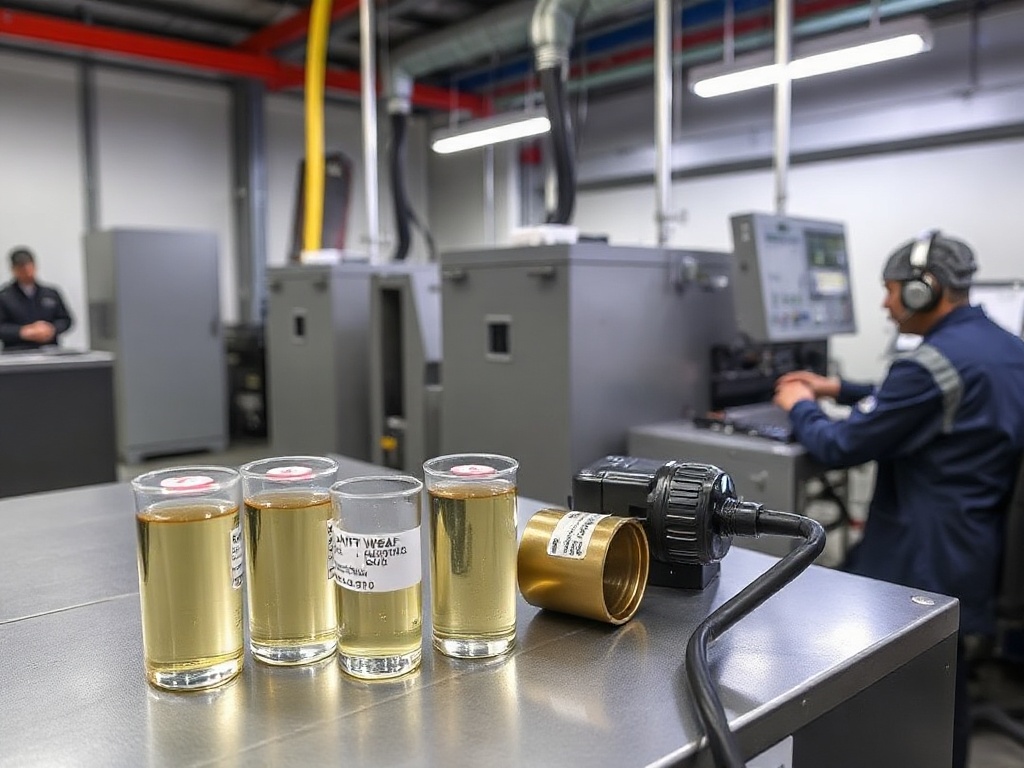
Phase 3: Validation and Performance Testing Comprehensive testing included ASTM methods for wear (e.g., Vickers pump test), oxidation stability, rust prevention, and field simulations. The optimized formula consistently matched or surpassed the benchmark.
Phase 4: Regulatory and Production Readiness We supplied full support for SDS, labeling, compliance with relevant standards (e.g., ISO, OEM approvals), and detailed manufacturing instructions including blending sequences and quality control measures.
Overcoming Typical Obstacles for Industrial Lubricant Suppliers
Many companies face similar challenges:
- Rapidly evolving equipment and specifications.
- Limited in-house advanced analytical capabilities.
- High costs and risks associated with trial-and-error reformulation.
- Supply chain vulnerabilities and margin pressure from purchased products.
Reverse engineering allowed this Houston company to address these issues efficiently. The project moved from analysis to commercial production in under 7 months—significantly faster and more economical than conventional development.
From Lab to Market: Contract Manufacturing and Branded Launch
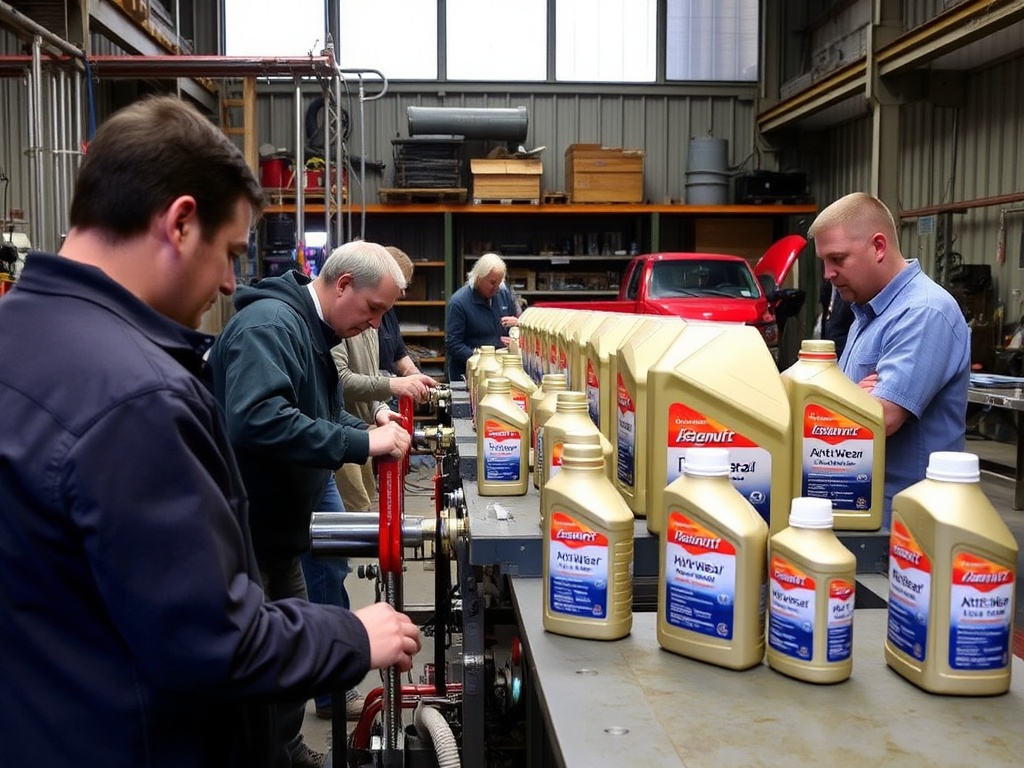
With production-ready documentation, the company partnered with a qualified blender in the Gulf Coast region. The detailed specifications ensured smooth scale-up and batch consistency. Initial production runs met all performance criteria.
They developed professional branding and technical literature positioning the product as a reliable, high-value solution for demanding industrial applications.
Launch Results and Business Benefits
The new branded anti-wear hydraulic oil was well received. Clients appreciated the improved wear protection, longer fluid life, and consistent performance. The company gained stronger account control, better margins, and a platform for additional lubricant offerings.
Early feedback confirmed reduced equipment wear and maintenance costs for users, reinforcing the value proposition.
Why Reverse Engineering Provides the Optimal Path for Lubricant Innovation
This case demonstrates clear advantages:
- Shortest Development Time: Leverage existing proven chemistry.
- Lowest Costs: Reduce experimentation and material waste.
- Minimal Risk: Base decisions on real analytical data and testing.
- High Customization: Adapt precisely to your market needs.
- Better Scalability: Receive manufacturing-ready specifications.
Lessons for Industrial Lubricant Companies
- Track Client Feedback: Use it to identify gaps and opportunities.
- Benchmark Effectively: Analyze what works well in the field.
- Optimize for Your Customers: Build meaningful improvements on proven foundations.
- Integrate Production Early: Ensure formulas are scalable.
- Expand Strategically: One successful fluid supports a broader line.
Expanding Your Industrial Lubricant Offerings
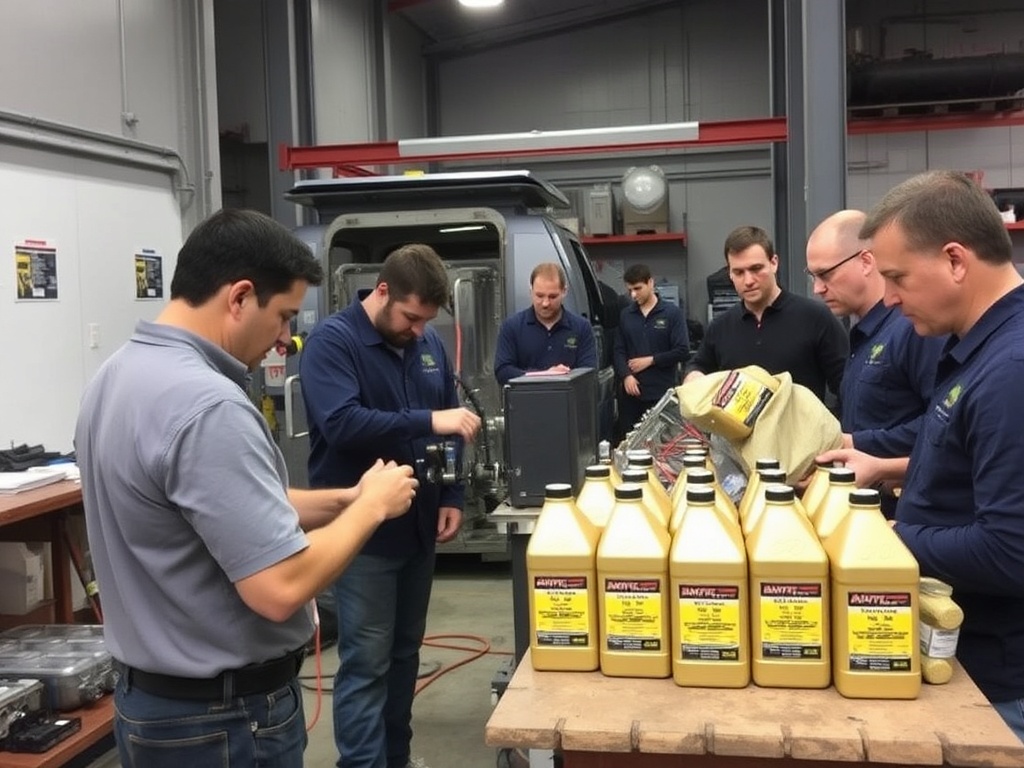
A strong hydraulic oil can anchor a portfolio including gear oils, compressor fluids, and specialty products. Shared expertise accelerates growth.
Ready to Optimize or Develop Your Anti-Wear Hydraulic Oils and Other Lubricants?
At Formulation Analysis, we support industrial lubricant companies with reverse engineering, benchmarking, optimization, and production guidance for hydraulic oils, gear lubricants, and related fluids. Our services deliver precise insights to help you innovate faster with confidence.
Contact Us for a Confidential Consultation
Phone: +1 (859) 216-8899 Email: info@formulationanalysis.com Website: www.formulationanalysis.com
Our team responds quickly and provides practical next steps tailored to your goals.
Related Resources: