The Truth Behind “Natural” Claims in the U.S. Skincare Market
The U.S. personal care market is saturated with products labeled as “natural,” “clean,” or “plant-based.” But experienced manufacturers and emerging brands are starting to realize a critical issue:
Many so-called “natural creams” still rely heavily on silicones, PEGs, and synthetic emulsifiers—just hidden behind marketing language.
For businesses trying to build their own brand, this creates a serious challenge:
- You don’t know what your competitors are really using
- You can’t verify claims without technical analysis
- You risk launching products that are not truly differentiated
And most importantly:
You lose trust with increasingly ingredient-conscious U.S. consumers.
The Real Pain Point: You’re Building a Brand Without Formula Transparency
From our work with U.S. manufacturers and private label clients, we consistently see the same frustrations:
1. You Want to Compete with Best-Selling Products—but Lack Formula Insight
You’ve identified a cream that:
- Sells extremely well
- Has strong customer reviews
- Positions itself as “natural”
But:
- The ingredient list is vague
- No percentage breakdown
- No clarity on functional composition
2. Private Label Options Limit Your Differentiation
Most contract manufacturers:
- Offer pre-made base formulations
- Allow only minor tweaks
- Do not disclose full composition
This leads to:
- Nearly identical products across brands
- Price competition instead of value differentiation
- Weak long-term brand positioning
3. Building From Scratch Is Too Slow and Expensive
Traditional R&D often means:
- 6–12 months of development
- High formulation costs
- Multiple failed prototypes
For small to mid-sized manufacturers, this approach is:
High risk, high cost, and too slow for today’s market.
Case Study: How a U.S. Regional Manufacturer Built a “True Natural Cream” Line
Client Background
A mid-sized manufacturer based in the United States approached us with a clear goal:
“We want to create our own skincare line—but it must be genuinely natural, not just marketed as such. And we need to move fast.”
They were already producing products for other brands but wanted to:
- Launch their own branded cream line
- Compete with premium “natural” products
- Avoid misleading ingredient systems
Step 1: Reverse Engineering a Top-Selling “Natural” Cream
We started by analyzing a leading product in the U.S. market that claimed to be “natural.”
What We Discovered:
Despite its branding, the formulation included:
- Silicone-based texture enhancers
- PEG-modified emulsifiers
- Synthetic stabilizing systems
These ingredients were:
- Not obvious from marketing claims
- Masked within complex INCI naming
- Critical to product performance
What We Delivered to the Client:
- Full compositional breakdown
- Ingredient function mapping
- Quantitative percentages (accurate to ~0.1%)
- Identification of “non-natural” components
Outcome:
The client gained complete visibility into what made the product successful—and where it contradicted its “natural” positioning.
Step 2: Building a Truly Natural Alternative (Without Sacrificing Performance)
Rather than copying the formula, we engineered a strategic alternative.
Key Objectives:
- Remove silicones and PEGs
- Replace synthetic emulsifiers with naturally derived systems
- Maintain texture, stability, and sensory feel
- Ensure scalability and cost control
Key Improvements:
- Introduced plant-based emulsifier systems
- Optimized oil phase for skin feel and absorption
- Rebuilt viscosity profile without synthetic thickeners
- Designed a clean-label preservative system
Result:
A cream that:
- Delivered comparable (or better) performance
- Aligned with true “natural” positioning
- Supported premium branding claims
Step 3: Raw Material Sourcing (U.S.-Ready Supply Chain)
One of the biggest risks in formulation is sourcing the right materials.
We supported the client by:
- Identifying U.S.-available natural raw materials
- Matching functional equivalents to lab-tested ingredients
- Reducing procurement uncertainty
Impact:
- Faster transition from lab to production
- Lower supply chain risk
- Improved cost predictability
Step 4: Production Guidance & Scale-Up
We worked closely with the client’s production team to ensure smooth execution.
Support Included:
- Mixing process optimization
- Temperature and phase control
- Stability and compatibility checks
- Batch consistency guidance
Because the client already had manufacturing capability:
They were able to move directly into pilot production with minimal delays.
Step 5: Fast Track to Market Launch
By leveraging reverse engineering instead of traditional R&D:
The Client Achieved:
- Fully developed proprietary formula
- Clear product differentiation
- Production-ready process
- Reduced development timeline by months
Most importantly:
They avoided costly trial-and-error and launched with confidence.
Why Reverse Engineering Is a Game-Changer for U.S. Manufacturers
1. Immediate Competitive Insight
You are no longer guessing:
- Understand exactly what competitors are doing
- Identify weaknesses and opportunities
2. Faster Product Development
Start from a proven benchmark instead of zero:
- Cut development time significantly
- Reach market faster
3. Lower Development Risk
Every decision is based on data:
- Fewer failed prototypes
- More predictable outcomes
4. True Product Ownership
Unlike private label:
- You control the formula
- You control the brand story
- You control long-term margins
Who Should Consider This Approach?
This model is ideal for:
- U.S.-based manufacturers launching their own brands
- Private label producers seeking differentiation
- Skincare startups targeting “clean” positioning
- E-commerce brands wanting unique formulations
If you are thinking:
- “I want to create a product better than what’s on the market”
- “I don’t trust what competitors claim”
- “I need to move fast without wasting money”
Then reverse engineering is your most efficient path.
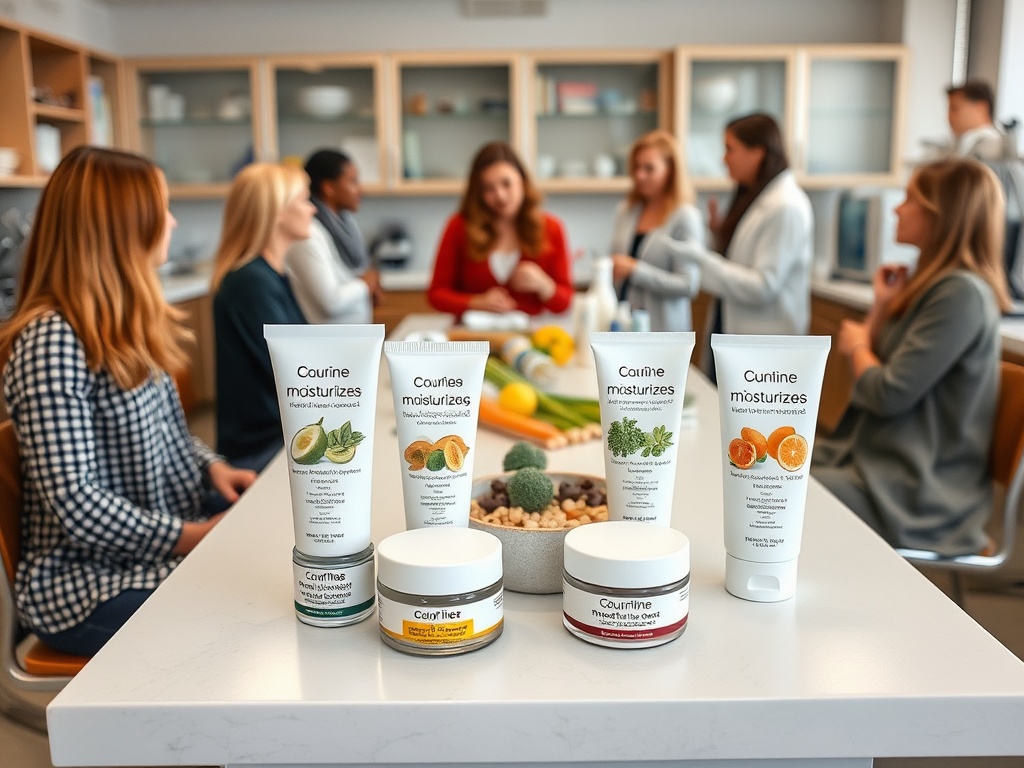
Our End-to-End Solution for U.S. Clients
At FormulationAnalysis, we provide a complete pathway from concept to commercialization:
Reverse Engineering & Formula Analysis
- Decode competitor products
- Identify real ingredient systems
Formula Optimization
- Improve performance
- Align with your brand positioning
Raw Material Sourcing
- U.S.-ready supply chains
- Cost and compliance optimization
Production Guidance
- Lab to scale-up support
- Process optimization
Contract Manufacturing Support
- Production partner coordination
- Scalable manufacturing solutions
Final Takeaway: Don’t Build Your Brand on Assumptions
In today’s U.S. skincare market, consumers are more informed than ever.
If your product:
- Doesn’t match its claims
- Performs like every other private label formula
- Lacks real differentiation
You will struggle to compete.
Reverse engineering allows you to:
Understand the market, outperform competitors, and launch faster—with lower cost and minimal risk.
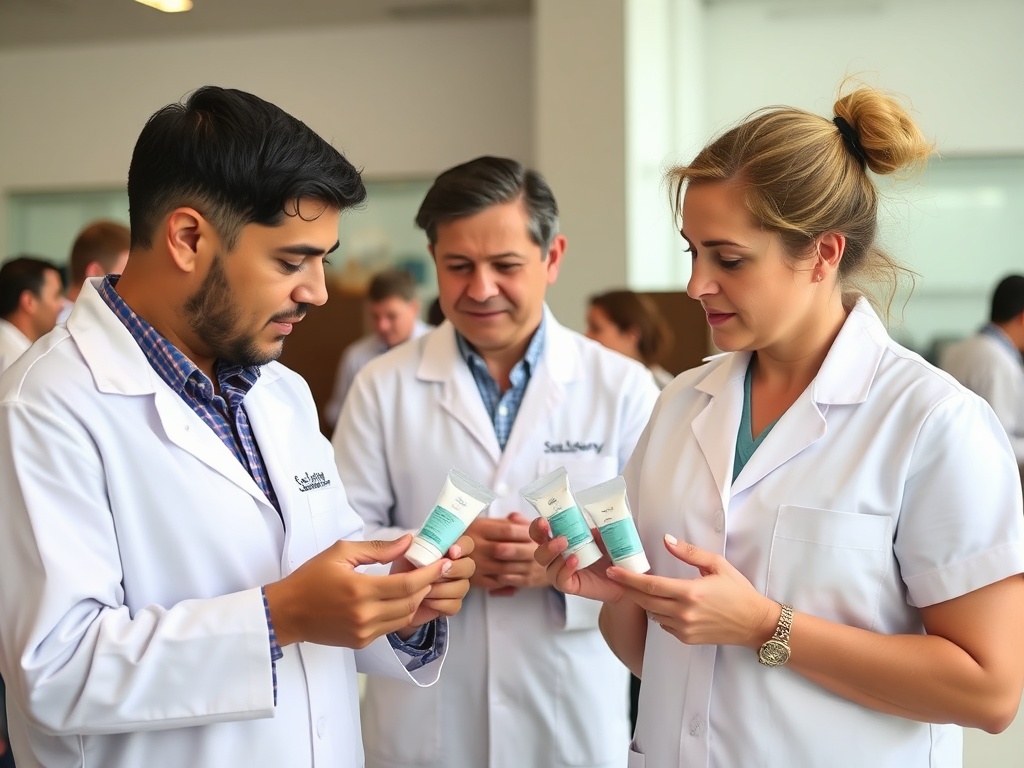
Ready to Build a Truly Differentiated Skincare Product?
If you already have a target product—or want to develop a high-performing cream with your own positioning—we can help you:
- Analyze top-selling formulas
- Create your own optimized version
- Bring it to production quickly
Contact FormulationAnalysis today to start your project.