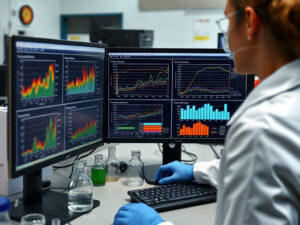
The Problem: High Cost, Low Flexibility in Concrete Admixtures
For many small and mid-sized construction material companies in the U.S., high-performance concrete admixtures—especially polycarboxylate-based superplasticizers (PCEs)—are both essential and frustrating.
On one hand, they enable superior workability, water reduction, and strength development. On the other, they are often:
- Expensive to source from major suppliers
- Difficult to modify without in-house R&D
- Locked behind proprietary formulations
This creates a structural disadvantage. Large multinational chemical companies dominate the space, while smaller players are left with thin margins and little room to innovate.
That’s exactly where our client found themselves.
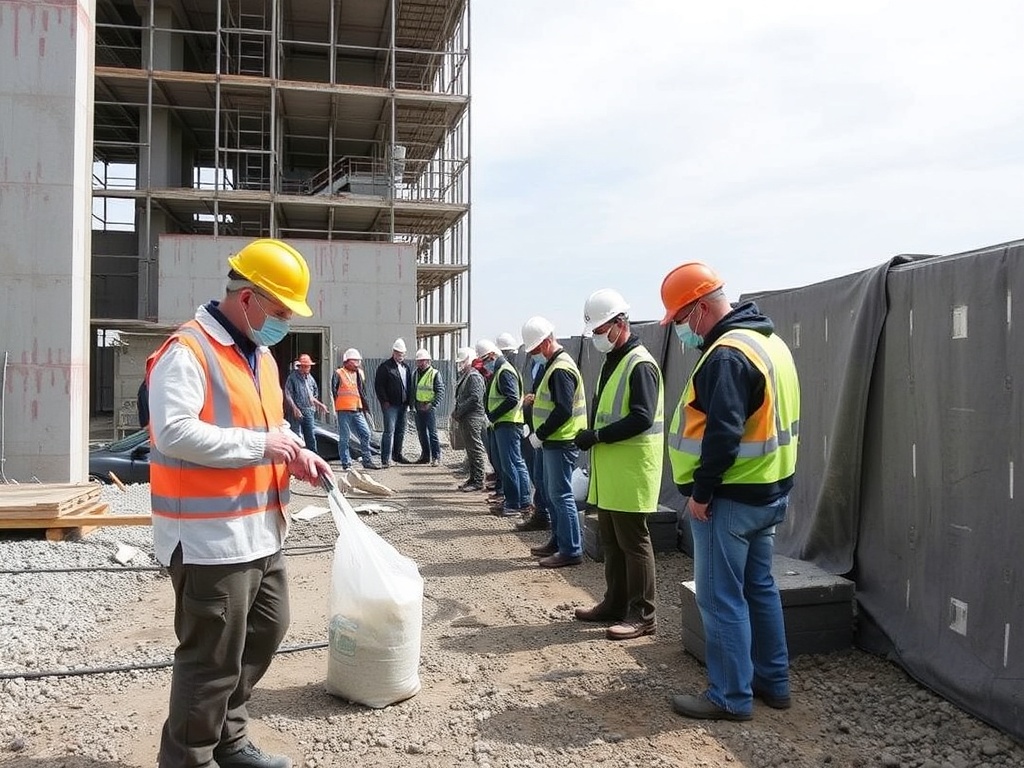
The Client: A Regional Concrete Additive Supplier
A U.S.-based construction materials company approached us with a clear objective:
“We want to develop our own superplasticizer to reduce costs and stop relying on expensive imports—but we don’t have a formulation team or lab capability.”
They were currently purchasing a branded PCE-based superplasticizer at a high cost per ton. Their concerns included:
- Rising procurement costs
- Unstable supply chain
- No control over formulation adjustments
- Inability to differentiate in the market
They didn’t want to reinvent chemistry from scratch. They wanted a smarter path.
The Strategy: Performance Benchmarking Through Reverse Engineering
Instead of starting from zero, we proposed a performance benchmarking approach via reverse engineering.
👉 The idea is simple but powerful:
- Take a proven, high-performance product already in the market
- Analyze it at the molecular and compositional level
- Reconstruct a formulation that matches (or exceeds) its performance
This avoids years of trial-and-error R&D.
If you’re new to this approach, you might want to read:
- How Reverse Engineering Works in Industrial Formulations
- Why You Don’t Need a Lab to Develop Chemical Products
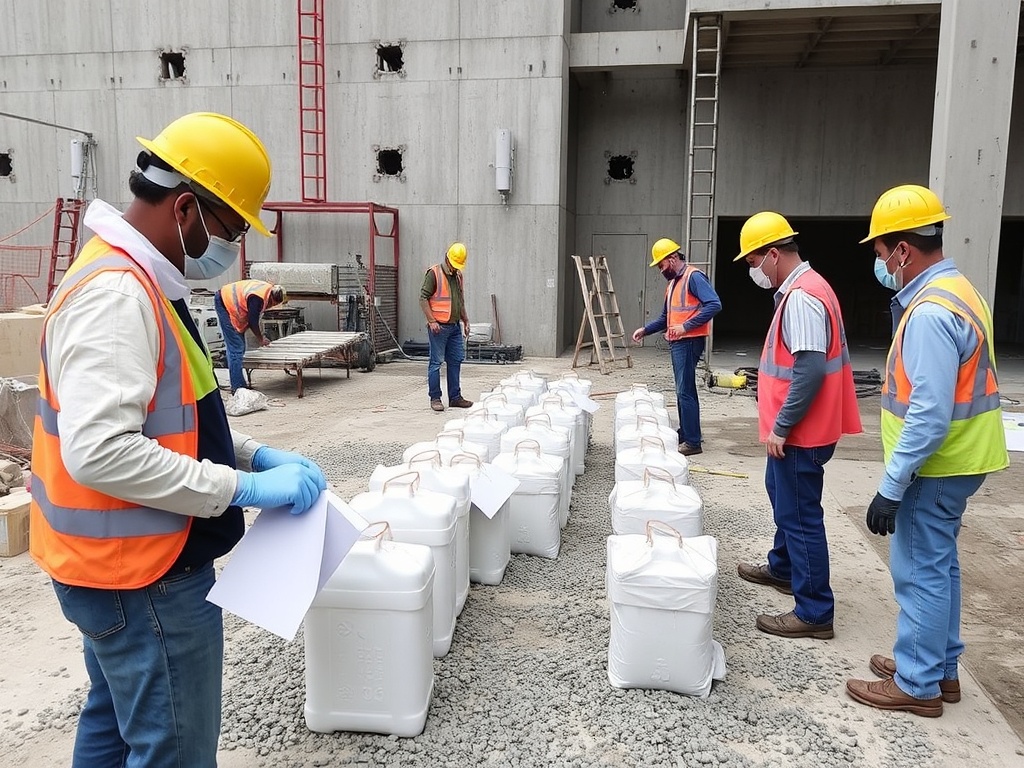
Step 1: Comprehensive Formulation Analysis
The client provided us with a sample of their current superplasticizer.
Our lab conducted a full qualitative and quantitative analysis, including:
1. Polymer Structure Identification
We determined:
- Type of PCE backbone (methacrylate vs acrylic)
- Side chain length (PEG-based)
- Grafting density
This is critical because polymer architecture directly impacts dispersion efficiency and slump retention.
2. Component Breakdown (±0.1% Accuracy)
We identified and quantified:
- Active PCE polymer content
- Water content
- Residual monomers
- Additives such as:
- Air-entraining agents
- Defoamers
- Stabilizers
3. Functional Role Assignment
Each component wasn’t just listed—we explained:
- What it does in the system
- Why it’s used at that concentration
- How it interacts with cement particles
For example:
- The air-entraining agent was present at very low levels but significantly improved freeze-thaw resistance
- A minor additive helped stabilize performance in varying water qualities
Step 2: Unlocking Cost Reduction Opportunities
Once the full formulation was mapped, the real value emerged.
We identified several cost optimization levers:
A. Polymer Efficiency Optimization
The original product used a high-cost PCE structure with longer side chains.
We demonstrated that:
- A slightly modified polymer architecture could deliver similar dispersion
- Raw material costs could be reduced without compromising performance
B. Additive Rationalization
Some components were:
- Over-engineered for the client’s application
- Not strictly necessary for their regional conditions
By simplifying the system, we reduced:
- Material cost
- Supply complexity
C. Functional Substitution
In certain applications, minor additives can replace traditional materials.
For example:
- Small amounts of specific functional agents can partially replace lime-related adjustments
- Improve flow without increasing cement content
This is where reverse engineering becomes a formulation strategy tool, not just an analytical exercise.
Step 3: Prototype Development
Using the analysis results, we provided:
- A reconstructed formulation
- Suggested raw material specifications
- A production-ready mixing process
The client was able to produce lab-scale samples immediately.
Step 4: Performance Benchmarking
We guided the client through testing against the original product:
Key Metrics Evaluated:
- Water reduction ratio
- Slump retention over time
- Compressive strength development
- Compatibility with local cement
Results:
| Parameter | Original Product | Client’s New Product |
|---|---|---|
| Water Reduction | 28% | 27–29% |
| Slump Retention | 90 min | 85–95 min |
| Strength (28 days) | Baseline | Equivalent or slightly higher |
| Cost per ton | High | Reduced by ~30% |
The Outcome: From Buyer to Manufacturer
Within a few months, the client achieved:
- ✅ A functionally equivalent superplasticizer
- ✅ Full control over formulation
- ✅ Significantly reduced costs
- ✅ Ability to customize products for different projects
They transitioned from:
“We buy what’s available”
to
“We produce what we need.”
Beyond Superplasticizers: Full Admixture System Understanding
One of the biggest hidden advantages of reverse engineering is system-level insight.
In this case, the client also gained understanding of:
- Air-entraining agents → durability improvement
- Defoamers → surface quality control
- Stabilizers → consistency across batches
This allowed them to start developing:
- Custom blends
- Project-specific formulations
- New product lines
Why This Approach Works
1. No Need for In-House R&D
Building a chemical R&D team is expensive:
- Equipment
- Chemists
- Time
Reverse engineering bypasses this barrier.
2. Faster Time to Market
Traditional development:
- 12–24 months
- High uncertainty
Reverse engineering:
- Weeks to initial formulation
- Predictable outcomes
3. Lower Risk
You’re not guessing.
You’re working from a proven benchmark product.
4. Performance Benchmarking (Not Copying)
This is critical.
The goal is:
- Not to replicate blindly
- But to match or exceed performance using your own optimized system
Internal Resources You May Find Useful
If you’re considering a similar approach, these resources will help:
- Superplasticizer Formulation Basics for Concrete Manufacturers
- Understanding PCE Polymer Structures in Admixtures
- Cost Reduction Strategies in Construction Chemicals
- Outsourcing R&D: A Practical Guide for SMEs
Is This Right for Your Business?
You should consider this approach if:
- You are buying expensive chemical additives
- You want to develop your own product line
- You lack lab or formulation expertise
- You need to reduce cost quickly without compromising quality
What We Deliver
Our formulation analysis service includes:
- Full compositional breakdown (±0.1% accuracy)
- Functional role explanation for each component
- Analytical methods and instrumentation used
- Reconstructable formulation guidance
- Technical consultation for implementation
Let’s Talk
If you’re currently sourcing high-cost admixtures and wondering whether you can produce your own alternative, we can give you a clear, data-driven answer.
📩 Email: info@formulationanalysis.com
🌐 Website: www.formulationanalysis.com
📞 Consultation: Available upon request
Or simply reach out with:
- Your target product
- Any available technical data (TDS/MSDS)
- Your cost or performance goals
We’ll assess feasibility and guide you from there.
You don’t need a lab to innovate. You need the right analysis.