The global vegan cosmetics market is no longer a niche segment; it is a multi-billion dollar powerhouse. For US-based beauty entrepreneurs and factory owners, the challenge isn’t just “going vegan”—it’s matching the high-performance benchmarks set by industry leaders while removing animal-derived ingredients like beeswax and lanolin.
If you are looking to launch a market-leading liquid lipstick under your own brand, you face a choice: spend two years in traditional R&D trial-and-error, or use Chemical Reverse Engineering to decode success in weeks.
In this guide, we analyze the “secret sauce” of long-wear vegan lipsticks—specifically film-forming agents and pigment dispersion—and how de-formulation allows you to launch faster, cheaper, and with zero guesswork.
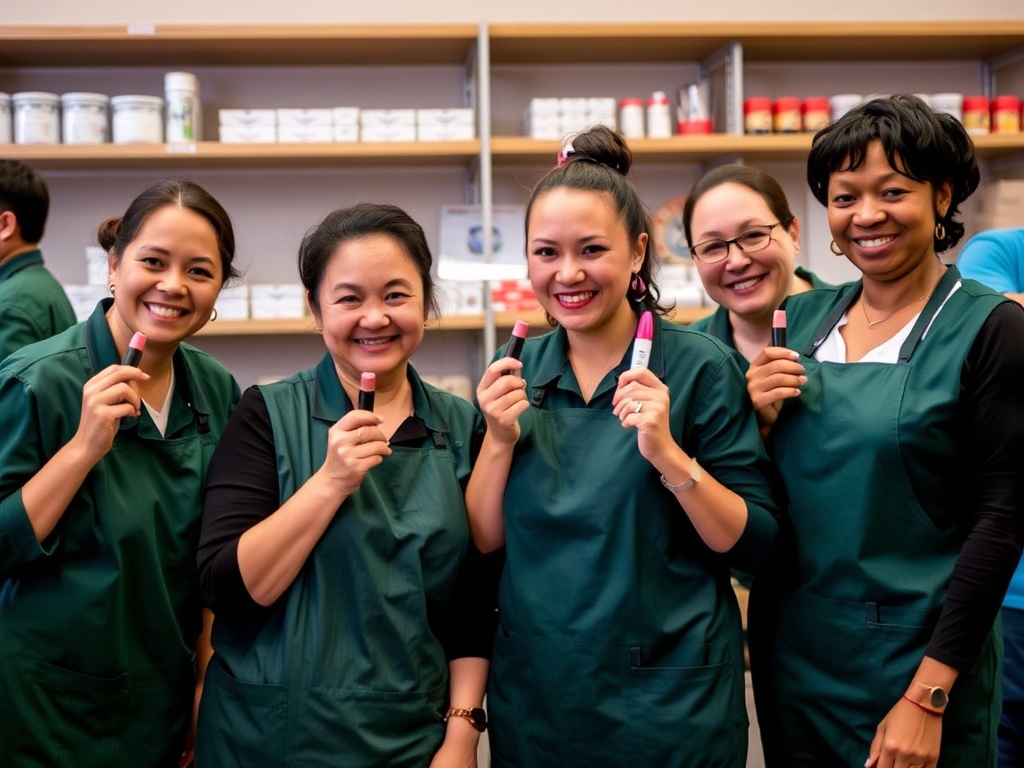
The Innovation Gap: Why “Vegan” Often Fails the Performance Test
The most common complaint with vegan liquid lipsticks is that they either flake off or feel like heavy clay on the lips. Traditional long-wear formulas relied heavily on Beeswax (Cera Alba) for structure and animal-derived emollients for comfort.
Replacing these requires more than just swapping ingredients; it requires a deep understanding of the molecular synergy between plant-based waxes and synthetic film-formers.
The Pain Points for US Brands:
- High R&D Costs: Developing a stable, non-transfer formula from scratch can cost tens of thousands in laboratory hours.
- Market Speed: By the time your “from-scratch” formula is ready, the trend may have shifted.
- Manufacturing Risks: A formula that looks good in a 100g beaker often fails when scaled to a 500kg production batch.
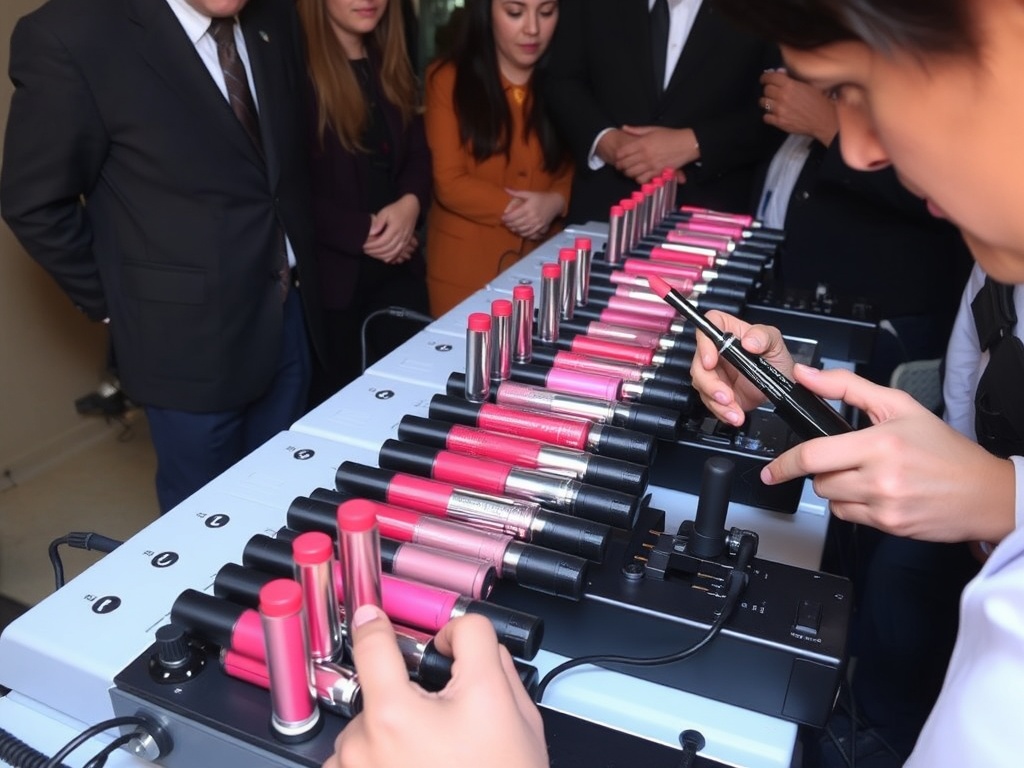
Case Study: Analyzing Film-Forming Agents & Vegan Wax Blends
To achieve a “12-hour stay-all-day” claim without using animal products, we focus on three pillars of formulation. Through reverse engineering, we can identify the exact ratios used by top-tier brands.
1. The Vegan Wax Matrix: Beyond Beeswax
Beeswax provides a unique plasticity. To replicate this in a vegan formula, we often find a synergistic blend of:
- Candelilla Wax: For high gloss and structural integrity.
- Carnauba Wax: For temperature stability (essential for US shipping across climate zones).
- Sunflower Seed Wax: To provide the “creaminess” usually lost when removing animal fats.
The Reverse Engineering Edge: Using GC-MS (Gas Chromatography-Mass Spectrometry), we don’t just guess which waxes are used; we determine the exact percentage of each hydrocarbon chain, allowing us to recreate the texture perfectly.
2. High-Tech Film-Formers
The “liquid-to-matte” transformation relies on film-forming polymers. In high-end products, we typically look for:
- Trimethylsiloxysilicate (TMS): Creates a breathable, water-resistant barrier.
- VP/Hexadecene Copolymer: Enhances wear time and prevents the pigment from settling into fine lines.
3. Pigment Dispersion and Wetting
A vegan lipstick lives or dies by its color payoff. Without the right dispersants, pigments clump, leading to streaky application. We analyze the surface treatment of the pigments (e.g., Triethoxycaprylylsilane) to ensure your factory can achieve a smooth, professional finish every time.

How Reverse Engineering Accelerates Your Path to Market
At FormulationAnalysis, our core mission for our US clients is to bridge the gap between “having an idea” and “having a pallet of product ready to ship.”
The 4-Step “Fast-Track” Process
| Phase | Action | Benefit to You |
| 1. De-formulation | We break down a “benchmark” product (the one you want to beat) into its raw chemical components and percentages. | Eliminate months of “guessing” the ingredients. |
| 2. Modification | We tweak the formula—perhaps you want it more hydrating, or you want to swap a specific preservative for a “clean beauty” alternative. | Create a unique USP for your brand while keeping a proven base. |
| 3. Ingredient Sourcing | We identify the exact USP/Cosmetic grade raw materials and reliable suppliers. | Avoid expensive “middleman” markups on ingredients. |
| 4. Pilot Batching | We provide the manufacturing SOP (Standard Operating Procedure) for your factory. | Ensure the first large-scale production run is a success. |
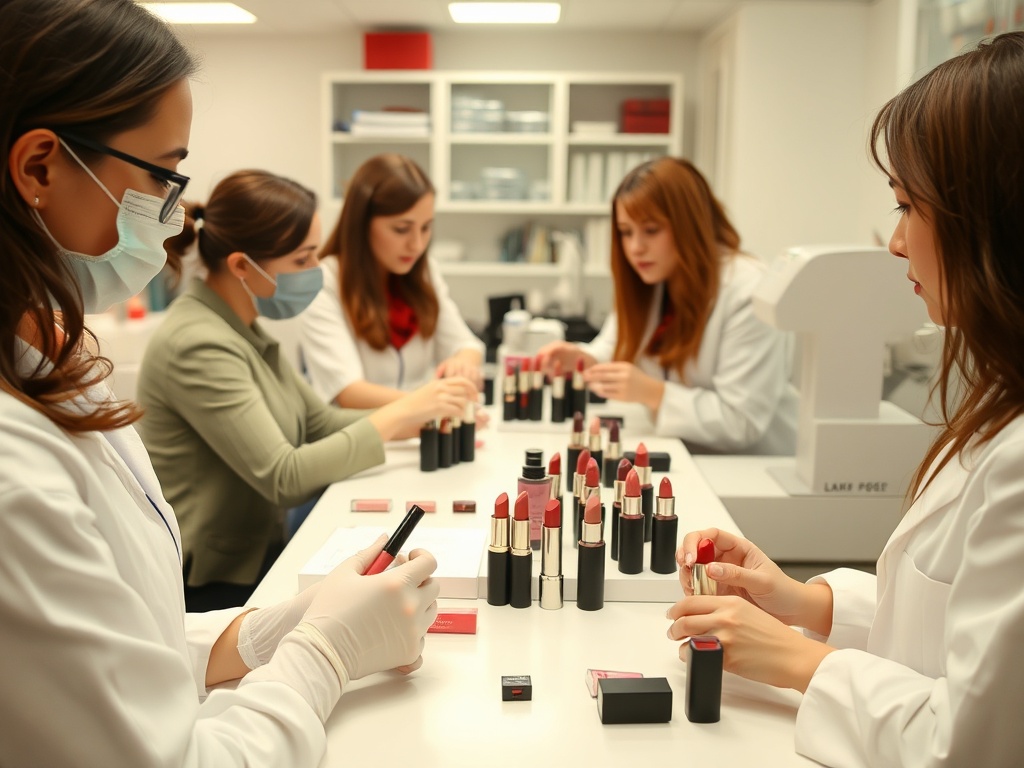
Why Choose Reverse Engineering Over Traditional R&D?
1. Minimal Trial-and-Error Cost
Traditional R&D is a “push” strategy: you push ingredients together and hope they work. Reverse Engineering is a “pull” strategy: you start with the finished, successful result and pull it apart. This reduces the number of failed lab samples by up to 80%.
2. Precise Cost Control
When we de-formulate a competitor’s product, we can calculate the COGS (Cost of Goods Sold) before you ever start production. This allows you to decide if the project is financially viable from day one.
3. Reduced Regulatory Risk
By starting with a formula structure that is already sold in the US market, you are working within a “proven safety” framework. We then ensure all vegan swaps comply with FDA regulations and “Clean at Sephora” or “Ulta Beauty” standards.
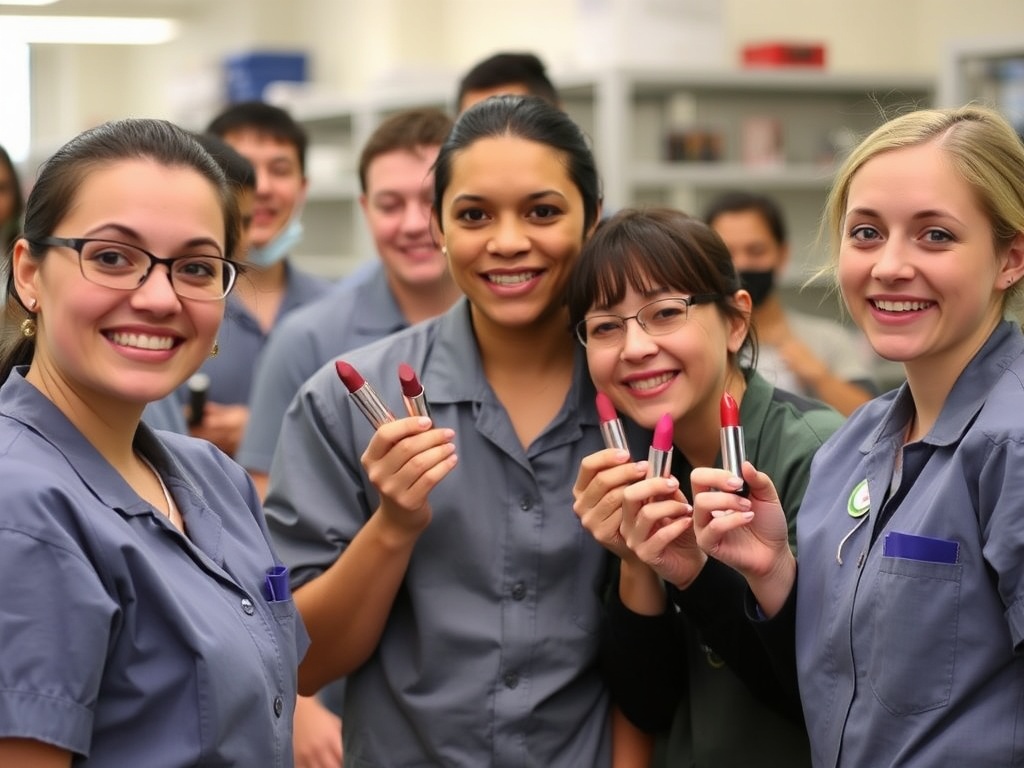
Technical Spotlight: The Tools of the Trade
When you work with FormulationAnalysis, you aren’t just getting a “recipe.” You are getting data backed by high-precision instrumentation:
- FTIR (Fourier Transform Infrared Spectroscopy): To identify functional groups and polymer types.
- HPLC (High-Performance Liquid Chromatography): To quantify active ingredients and preservatives.
- Physical Testing: We measure viscosity, drying time, and “rub-off” resistance to ensure your vegan lipstick outperforms the competition.
Moving Toward Production: From Lab to Factory Floor
For factory owners in the USA looking to launch their own private label or house brands, the final hurdle is often the transition to manufacturing.
A recipe is not a formula. A true formula includes:
- Phase Addition Order: Knowing exactly when to add the film-formers versus the waxes.
- Shear Rates: How fast to mix the pigment to prevent “grittiness.”
- Temperature Control: The critical cooling point where the lipstick sets.
We provide full Production Guidance and Contract Manufacturing support. Whether you are producing in-house or using a third-party filler, our technical dossiers ensure that the product in the bottle matches the product in the lab.
Conclusion: Own the Formula, Own the Brand
The most successful brands in the US today don’t just put their name on a generic “off-the-shelf” private label formula. They own their IP (Intellectual Property).
By using Cosmetic Reverse Engineering, you gain the ability to:
- Clone the performance of a $30 lipstick.
- Improve it by making it 100% vegan and “clean label.”
- Produce it at a fraction of the cost.
Ready to break the code on your next best-seller?
At FormulationAnalysis, we specialize in the chemical reverse engineering and formulation of high-performance cosmetics. Based in the US with global analytical capabilities, we provide the precision you need to dominate the market.
[Contact Us Today for a Confidential Consultation]
Optimize your R&D. Minimize your risk. Launch your brand.