In the water treatment chemicals business, everyone knows the products that work. Operators at municipal plants, industrial facilities, and commercial systems talk about the same few brands that deliver consistent results: better coagulation and flocculation, reliable scale and corrosion control, effective biocides that stay within permit limits, and formulations that help plants meet tightening EPA and state discharge standards without blowing the chemical budget.
The frustration is just as common. A mid-sized manufacturer or private-label hopeful sees a product performing well in the field—customers swear by it, quality is rock-solid, regulatory compliance is clean—yet the company has no access to the formula. Building an equivalent or better version from scratch means years of lab work, expensive pilot trials, failed batches, and the constant risk that the final product still falls short on performance or cost. Many simply keep distributing someone else’s brand and never capture the margin or customer loyalty that comes with owning the product.
That is exactly the situation a water treatment chemical producer based in the Gulf Coast region (one of the densest concentrations of water treatment chemical manufacturing and industrial demand in the United States) faced not long ago. They knew a particular suite of treatment products was delivering enhanced efficiency, solid regulatory compliance, and meaningful cost reduction for end users. They wanted their own branded line—something they could manufacture, control, improve, and sell under their own name. They did not have the internal R&D depth or the time and budget for a multi-year discovery program. What they did have was access to commercially available samples and a clear business goal: get to production-ready formulas quickly, at the lowest practical cost, with the smallest possible trial-and-error risk.
They turned to laboratory reverse engineering (also called chemical deformulation or formulation analysis). The process gave them a precise compositional blueprint, supported targeted formula modifications, guided raw-material sourcing, provided production guidance, and connected them to contract manufacturing capacity when needed. The outcome was a faster path to their own market-ready products. This is the story of how that approach works in practice for U.S. companies that want to own the chemistry rather than just sell it.
Why So Many Water Treatment Companies Want Their Own Formulas—and Why Traditional R&D Feels Out of Reach
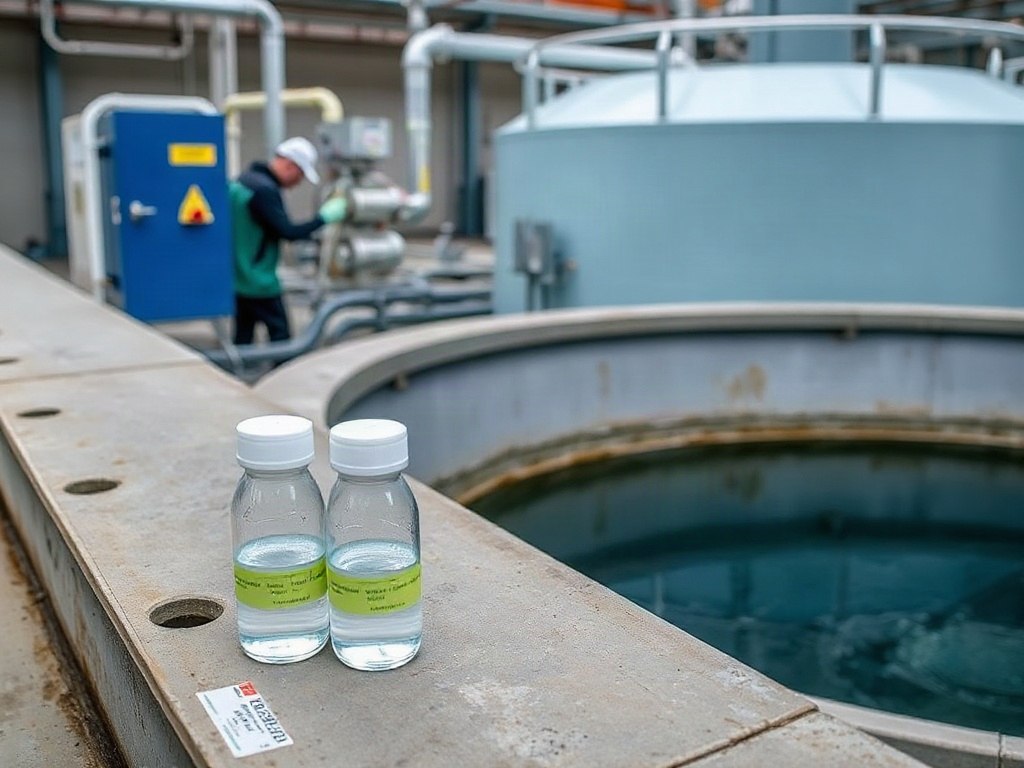
Water treatment chemicals sit at the intersection of performance, regulation, and cost. Coagulants and flocculants have to remove turbidity and organics efficiently across variable raw water quality. Scale inhibitors and corrosion inhibitors must protect heat exchangers, boilers, and distribution systems without creating new discharge problems. Biocides and oxidants have to control microbial growth while staying within residual limits. Everything has to be formulable at commercial scale, stable in storage and transport, and competitive on a cost-per-gallon or cost-per-treated-million-gallons basis.
Large multinational suppliers invest heavily in proprietary R&D. Smaller and mid-sized U.S. manufacturers and aspiring brand owners often lack that infrastructure. They may have strong sales relationships, distribution networks, and an intimate understanding of what customers need in the field. What they frequently lack is a fully staffed formulation lab, decades of cumulative experimental data, and the cash to fund years of iterative development.
The traditional path—start from first principles, screen candidates, optimize ratios, run jar tests and pilot trials, troubleshoot scale-up failures—can easily stretch 18–36 months and consume hundreds of thousands of dollars before a single commercial batch is sold. Failed experiments waste expensive specialty polymers, surfactants, and chelants. Regulatory documentation has to be rebuilt from scratch. Market windows close. Customers keep buying the proven product from the incumbent.
Reverse engineering changes the starting point. Instead of guessing what might work, you begin with a product that already works in real systems. Laboratory analysis identifies the major and minor components, estimates concentrations, maps functional roles (coagulant, flocculant aid, dispersant, pH buffer, biocide active, etc.), and delivers a quantitative composition table that becomes the technical foundation for reformulation. From there the work shifts from pure discovery to intelligent adaptation: adjust ratios for better performance or lower cost, substitute more readily available or compliant raw materials, fine-tune for local water chemistries or specific regulatory preferences, and move into pilot and production with far higher confidence.
This is not about copying a label. It is about obtaining independent compositional intelligence from lawfully purchased commercial products so that a manufacturer can develop its own differentiated, compliant, and cost-competitive offering. In the United States this practice is a well-established tool for competitive benchmarking and product development when conducted properly.
The Real Business Case: Speed, Cost Control, and Risk Reduction
Companies that choose this route are usually chasing three concrete outcomes.
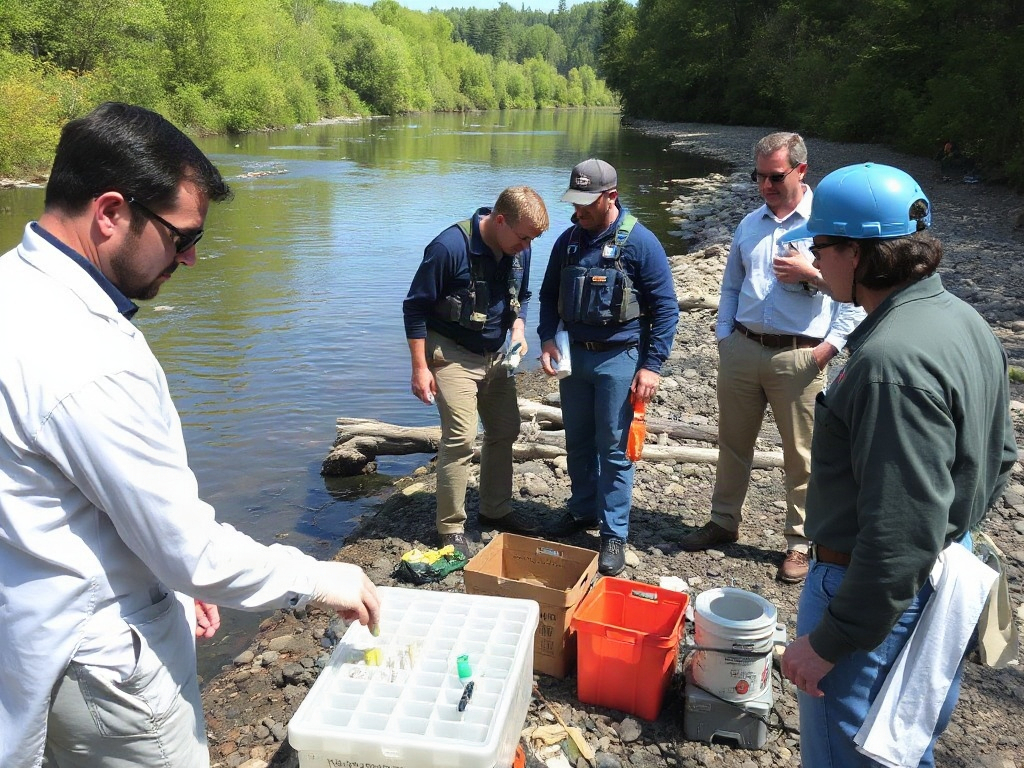
Accelerated time-to-market. Traditional R&D timelines collapse when you start with a validated performance baseline. Instead of months spent identifying which polymer molecular weight or charge density works, the analysis already shows what is present and in what approximate ratios. Development focus moves to optimization, stability testing, and scale-up. Many projects move from sample receipt to pilot-ready formulas in a matter of months rather than years.
Lowest practical development cost. Blind experimentation is expensive. Every failed jar test or pilot run burns materials and lab time. A precise deformulation report reduces the number of iterations needed. Ingredient substitutions can be evaluated against known cost drivers. The overall R&D spend drops dramatically because the team is no longer searching in the dark.
Minimal technical and commercial risk. You begin with chemistry that has already demonstrated field performance and regulatory acceptability. Stability, compatibility, and efficacy benchmarks are known. Regulatory risk is lower because the functional ingredient classes are already in use. Scale-up risk declines because the composition provides a clear target for manufacturing feasibility discussions. The trial-and-error cost—both financial and opportunity cost—is minimized.
For the Gulf Coast water treatment company, these three factors were decisive. They needed their own branded products to deepen customer relationships and improve margins. They could not afford a multi-year internal program. Reverse engineering, followed by targeted modification, sourcing support, and production guidance, gave them a practical path.
How the Reverse Engineering Process Actually Works for Water Treatment Formulations
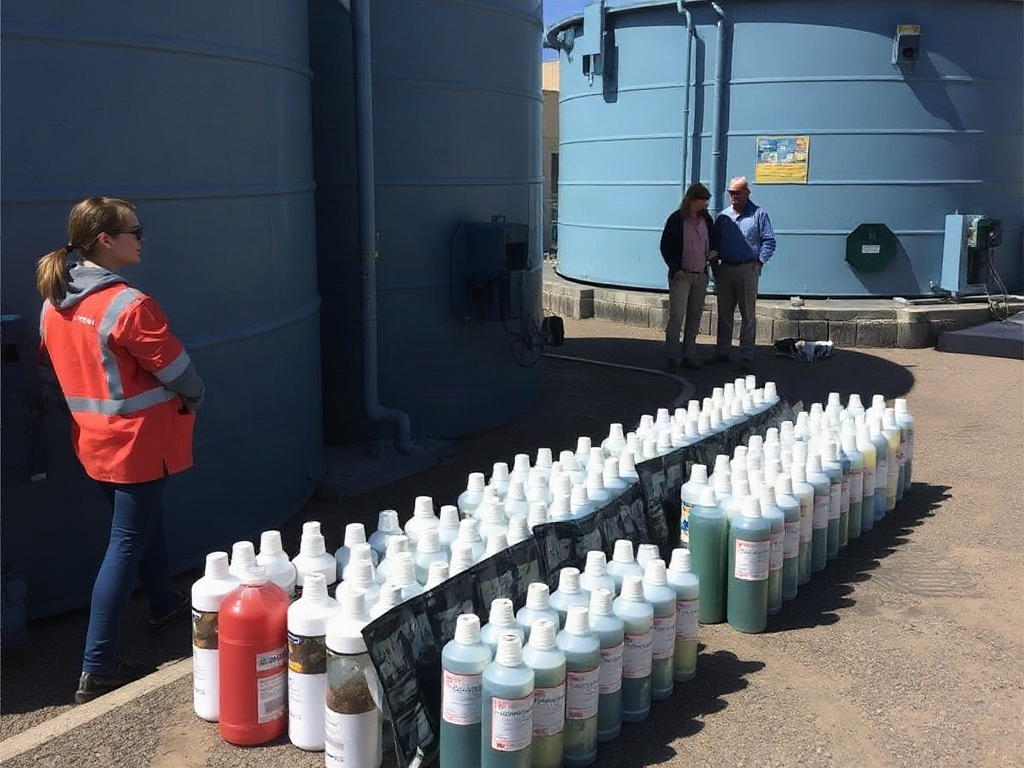
A professional laboratory workflow is systematic and confidential. It typically begins with a technical scoping conversation: what performance attributes matter most (settling rate, residual aluminum or iron, scale inhibition under specific LSI conditions, biocide efficacy against particular organisms, etc.), what regulatory constraints apply, and what the commercial goals are (match performance at lower cost, improve a specific metric, create a private-label version for a key customer segment).
Once scope is clear, an NDA is executed. Commercially obtained samples are submitted. The laboratory conducts multi-instrument analysis—GC-MS and HPLC for organic components and actives, FTIR and NMR for polymer and functional-group characterization, ICP-OES or similar for elemental and inorganic content, and complementary techniques as needed. The goal is a comprehensive qualitative and quantitative picture: major actives, secondary additives, solvents or carriers, pH adjusters, stabilizers, and approximate weight percentages where analytically achievable.
The deliverable is not a vague list of possible ingredients. It is a structured composition table, documented methods, and technical interpretation that a formulation chemist or production team can actually use. From that baseline the work continues into optimization if desired: ingredient substitution for cost or supply-chain reasons, performance enhancement (for example, adjusting polymer charge density or molecular weight distribution for better floc strength), regulatory fine-tuning, or adaptation to different water matrices common in U.S. regions.
Many clients then need practical next steps: identification of U.S. or North American suppliers for the key raw materials with matching specifications, guidance on mixing sequences and order of addition that affect final product quality, recommendations for pilot equipment and scale-up parameters, and introductions or coordination with contract manufacturers experienced in water treatment chemistries when in-house capacity is limited.
This end-to-end support—from analytical clarity through formula modification, sourcing, production guidance, and contract manufacturing—is what turns a laboratory report into a commercial product.
(For a detailed look at the laboratory workflow, see How Chemical Reverse Engineering Works. Services covering reverse engineering, optimization, and related support are outlined at Our Services.)
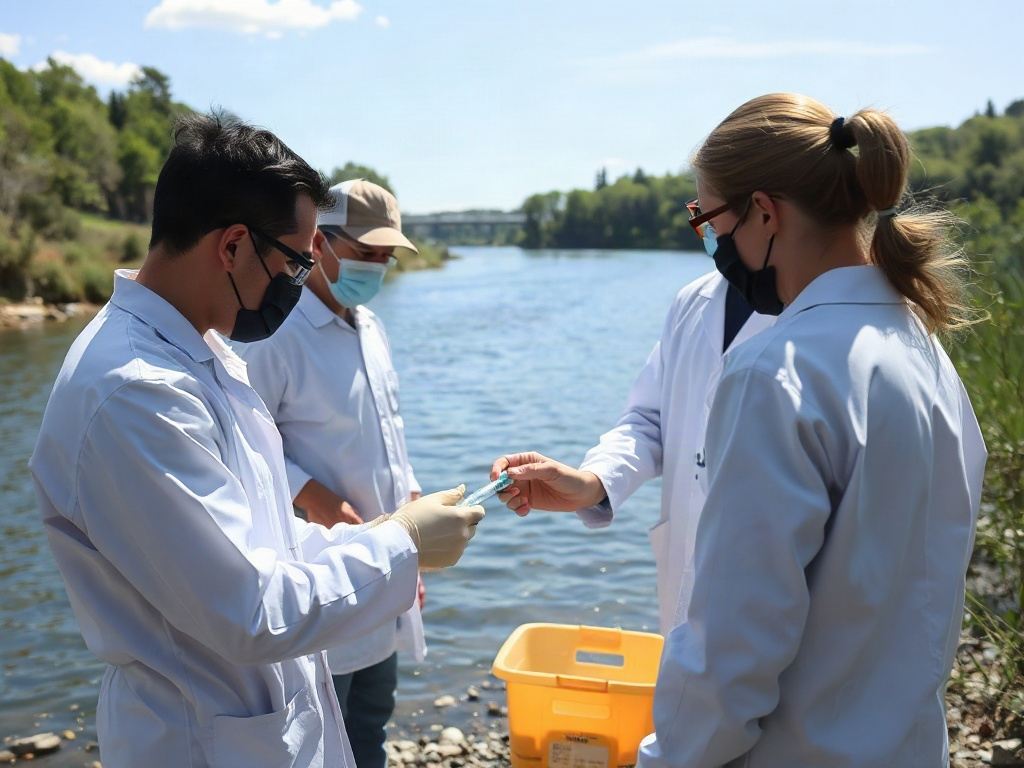
From Compositional Clarity to Production-Ready Formulas: What the Gulf Coast Project Achieved
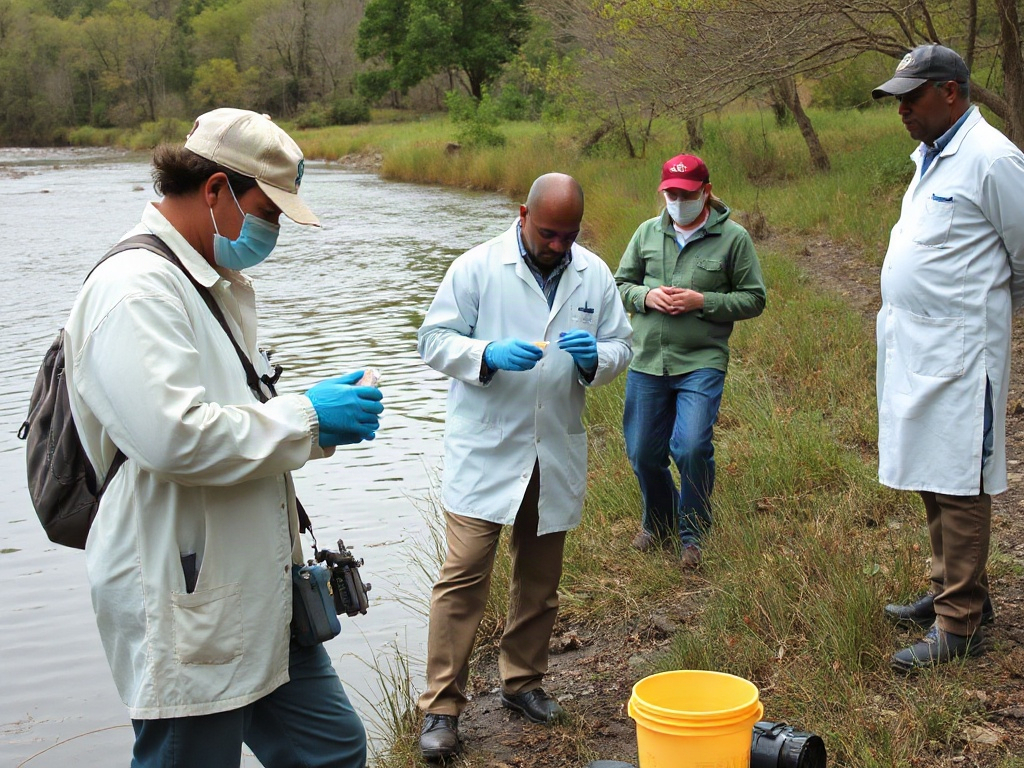
The company started with samples of products that were already delivering measurable results in the field: improved treatment efficiency (better turbidity and contaminant removal at lower dose rates in many cases), consistent regulatory compliance (residuals and discharge parameters that stayed comfortably within limits), and lower overall chemical and sludge-handling costs for the end users.
Laboratory analysis revealed the functional architecture—primary coagulants or coagulant aids, polymeric flocculants with specific charge and molecular-weight characteristics, dispersants and scale-control agents, and the supporting package of stabilizers and adjusters. Concentrations were quantified to the level needed for practical reformulation. Armed with that data, the technical team and laboratory specialists worked through targeted modifications. Some higher-cost components were replaced with more readily available alternatives that maintained or improved performance. Ratios were adjusted to optimize for the specific raw-water challenges common in their target markets. Stability and compatibility testing confirmed the new versions held up under expected storage and use conditions.
Raw-material specifications from the analysis made supplier matching straightforward. Reliable U.S. sources were identified for the key polymers, inorganic salts, and specialty additives, reducing lead-time and logistics risk. Production guidance covered order of addition, mixing energy, temperature control, and quality-control checkpoints that matter when moving from lab or pilot scale to commercial batches. Where internal manufacturing capacity was constrained, contract manufacturing options with experience in water treatment chemicals provided a bridge to market.
The result was a set of branded products the company could manufacture or have manufactured under its own label. Development time was substantially shorter than a from-scratch program would have required. Material waste and failed experiments were minimized. Technical risk was lower because every iteration started from a known-performing baseline. The company moved from “we know this product works for our customers” to “we have our own high-performing, cost-competitive versions ready for sale” with far less capital and calendar time at risk.
Specific customer names and proprietary details remain confidential, as they should. The pattern, however, is repeatable: start with market-proven chemistry, obtain precise compositional intelligence, adapt intelligently, source reliably, and scale with guidance.
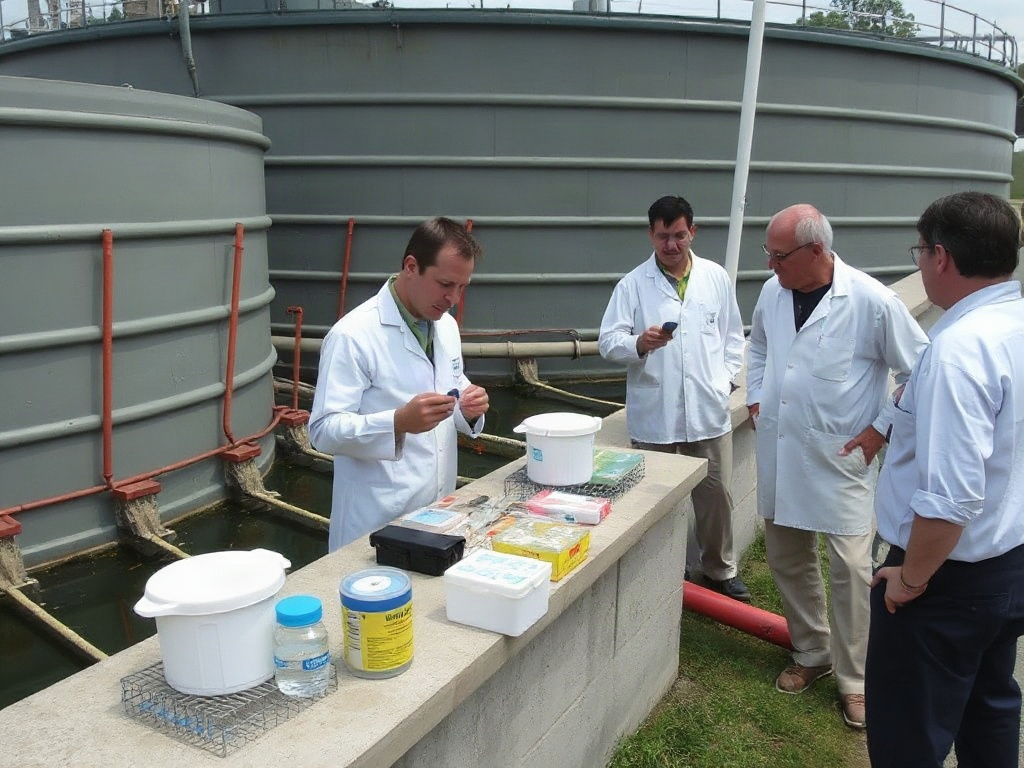
Why This Approach Fits U.S. Water Treatment Manufacturers Especially Well
The United States has concentrated manufacturing and demand centers for water treatment chemicals—Gulf Coast petrochemical and industrial corridors, California’s large municipal and industrial systems, Midwest industrial and agricultural water needs, and growing specialty demand in other regions. Companies operating in or serving these markets already understand customer pain points: variable source water, aging infrastructure, stricter nutrient and contaminant limits, and relentless pressure on operating costs.
What many lack is the specialized analytical and formulation infrastructure. Building that capability in-house is expensive and slow. Partnering for reverse engineering and the surrounding services lets them leverage existing market knowledge and distribution strength while filling the R&D gap efficiently.
The services that matter most in this context are exactly the ones that close the loop:
- Reverse engineering / chemical formulation analysis to obtain the compositional baseline.
- Formula modification and optimization to improve performance, reduce cost, or meet specific regulatory or customer requirements.
- Raw material procurement support—matching CAS numbers and specifications to reliable suppliers.
- Production guidance so that lab results translate cleanly into consistent commercial batches.
- Contract manufacturing coordination when a company wants to launch under its own brand without immediately investing in new production lines.
Together these capabilities turn a known good product into a proprietary asset. The company controls the formula, the branding, the margin, and the continuous improvement path.
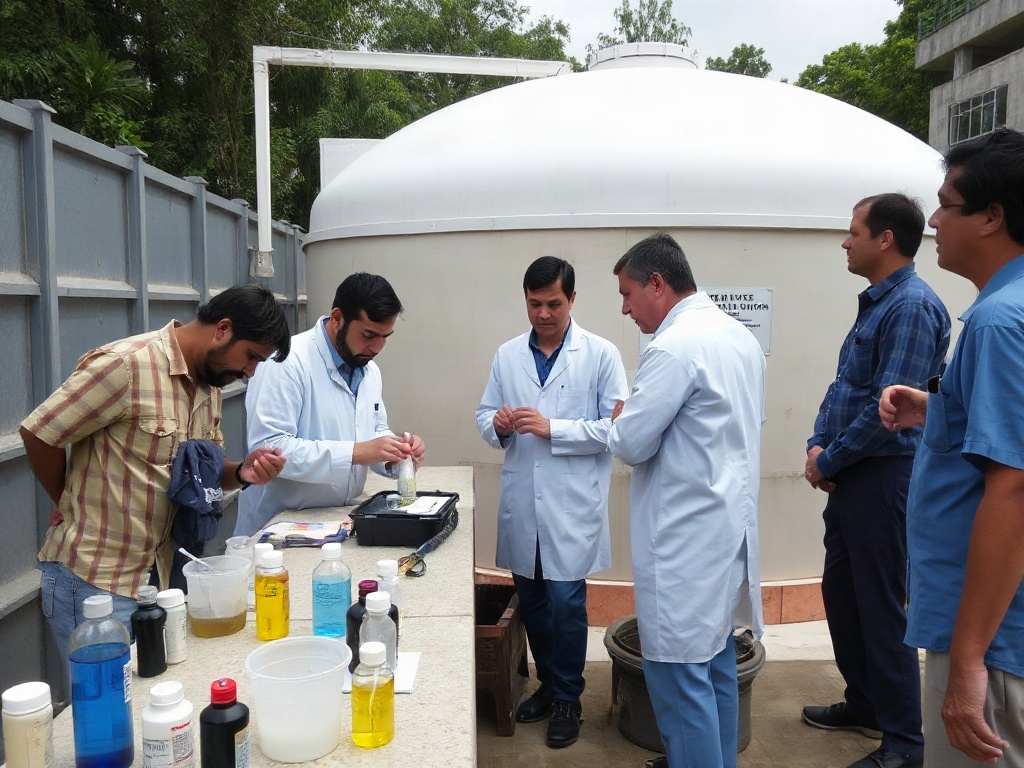
Addressing Common Concerns Head-On
Is reverse engineering legal in the United States? When performed on lawfully obtained commercial products for the purpose of independent analysis, competitive benchmarking, and development of one’s own formulations, it is a standard and accepted practice. Reputable laboratories operate under NDAs, do not access proprietary manufacturing processes or trade secrets, and provide analytical data rather than turnkey copies of patented compositions. Clients are always advised to consult intellectual-property counsel regarding any active patents that may cover specific applications or compositions.
Will the resulting product be “the same”? The goal is rarely an exact duplicate. Most clients want equivalent or superior performance, often at better cost or with improvements tailored to their target markets. The analytical data provides the starting architecture; subsequent optimization creates differentiation.
What about regulatory compliance? Compositional transparency actually helps. Knowing the functional ingredients and approximate levels supports SDS development, labeling, and discussions with regulatory consultants. Starting from chemistry already in commercial use reduces the chance of introducing unexpected restricted substances.
How long does it take? Standard qualitative and quantitative analysis is typically completed in a matter of weeks once samples are received and the scope is confirmed. Optimization, sourcing, and production support timelines depend on complexity and the client’s decision speed, but the overall path to pilot and commercial production is substantially shorter than traditional discovery R&D.
What does it cost relative to internal development? The analytical phase is a fraction of the cost of years of trial-and-error experimentation. The real savings come from reduced material waste, fewer failed pilots, faster revenue generation, and lower opportunity cost.
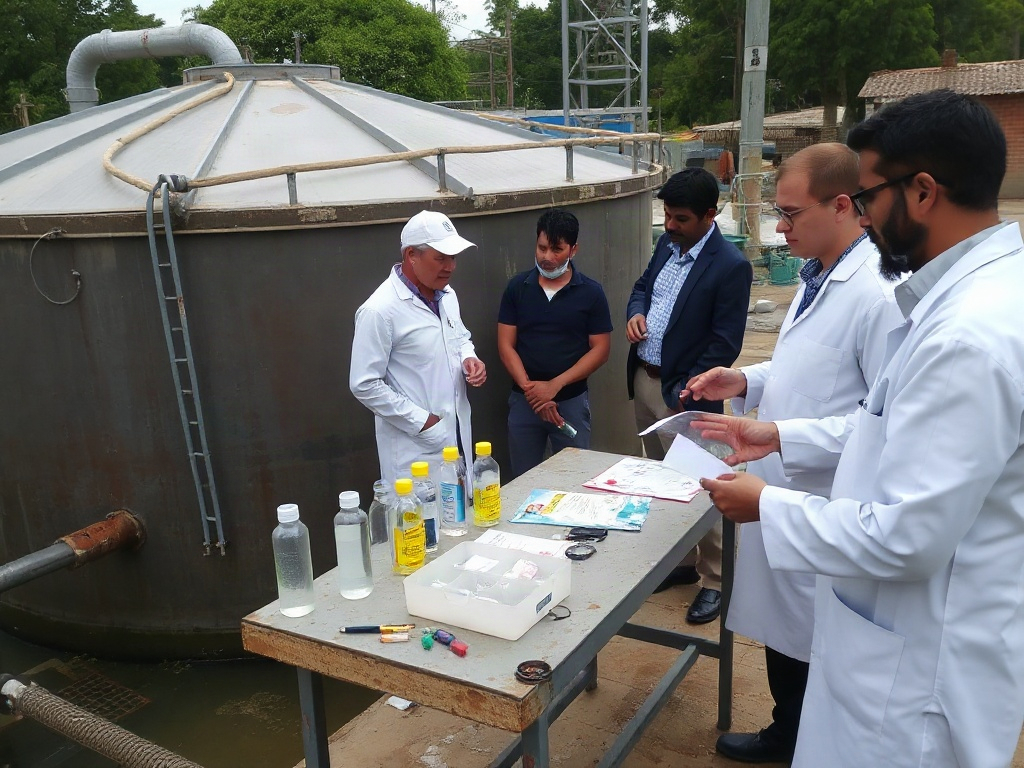
Who This Is For
This approach is particularly relevant for:
- Mid-sized water treatment chemical manufacturers that currently distribute or toll-manufacture for others and want to build or expand their own branded portfolio.
- Companies with strong customer relationships and market insight but limited internal formulation resources.
- Private-label or specialty suppliers looking to move up the value chain.
- Firms facing supply-chain pressure on key products and wanting greater control over their chemistry.
- Organizations that need to respond quickly to new regulatory requirements or shifting customer preferences without starting R&D from zero.
If you already know which products perform well in the field and simply lack the formula and the efficient development path, reverse engineering plus the supporting services of formula modification, sourcing, production guidance, and contract manufacturing can close that gap.
Moving from Insight to Action
The water treatment sector rewards products that deliver measurable results—cleaner water, regulatory compliance that holds up under scrutiny, and lower total cost of treatment. Owning those products, rather than merely reselling them, changes the economics of the business. It deepens customer loyalty, improves margins, and creates a platform for continuous improvement.
Laboratory reverse engineering provides the fastest, lowest-cost, lowest-risk route from “we know this works” to “this is our product.” It replaces guesswork with data, years of experimentation with months of focused optimization, and high technical risk with a validated starting point.
Formulation Analysis operates as a U.S.-based, PhD-supported laboratory focused on exactly this kind of work for manufacturers across specialty chemicals, including water treatment formulations. The process is confidential, the data is actionable, and the support extends beyond the report into the practical steps required to reach production and market.
If you have a product in mind that your customers already trust and you want to explore developing your own version, the starting point is a technical conversation. Samples of commercially available products can be analyzed, a clear compositional picture obtained, and a realistic path to your branded line mapped out.
Ready to discuss your project?
Visit the contact page at https://formulationanalysis.com/contact/ or reach out directly:
Email: info@formulationanalysis.com
Phone: +1 (859) 216-8899