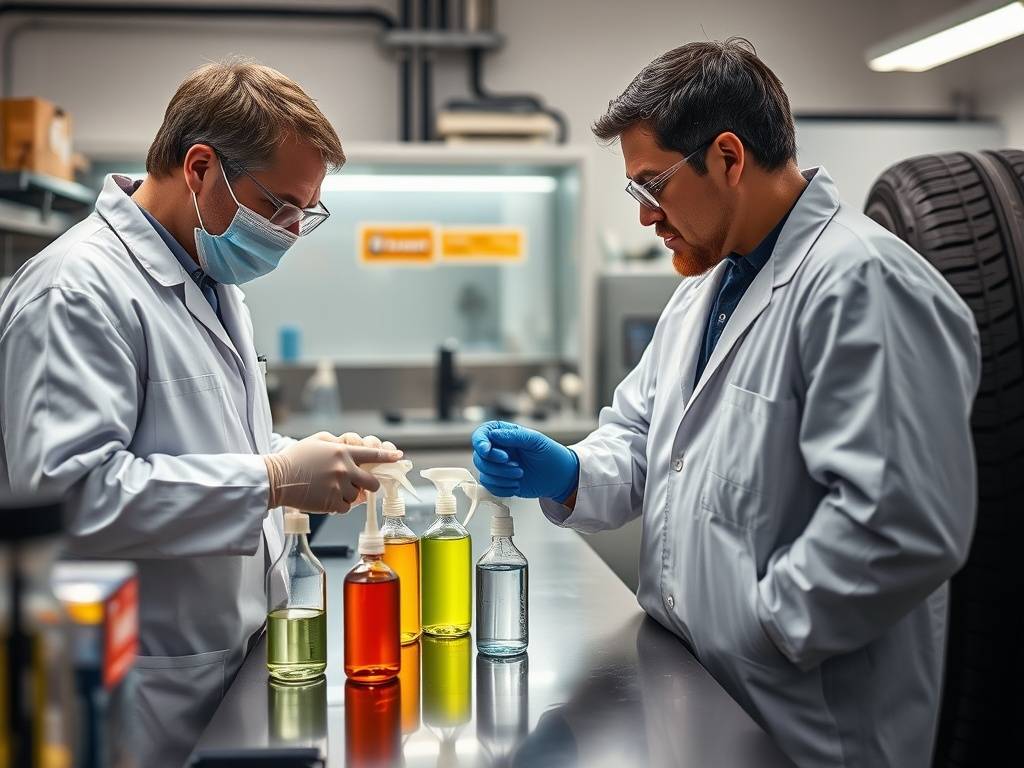
In the U.S. automotive detailing market, tire shine products are everywhere — but only a handful actually build customer loyalty. Consumers want more than just a glossy tire finish. They expect durability, low sling, UV resistance, easy spray application, and a finish that still looks clean after several days of driving.
A small automotive appearance products company in the Midwest contacted FormulationAnalysis.com after struggling to compete with several well-known tire shine brands already dominating Amazon and independent detailing shops.
Their challenge was straightforward:
“We know what kind of finish customers want. We just don’t know how to build a formulation that performs like the leading products without spending years on R&D.”
This case study shows how reverse engineering, formulation benchmarking, and targeted optimization helped the company launch a competitive Tire Shine Dressing product with lower development cost, shorter lead time, and reduced manufacturing risk.
The Client’s Initial Problem
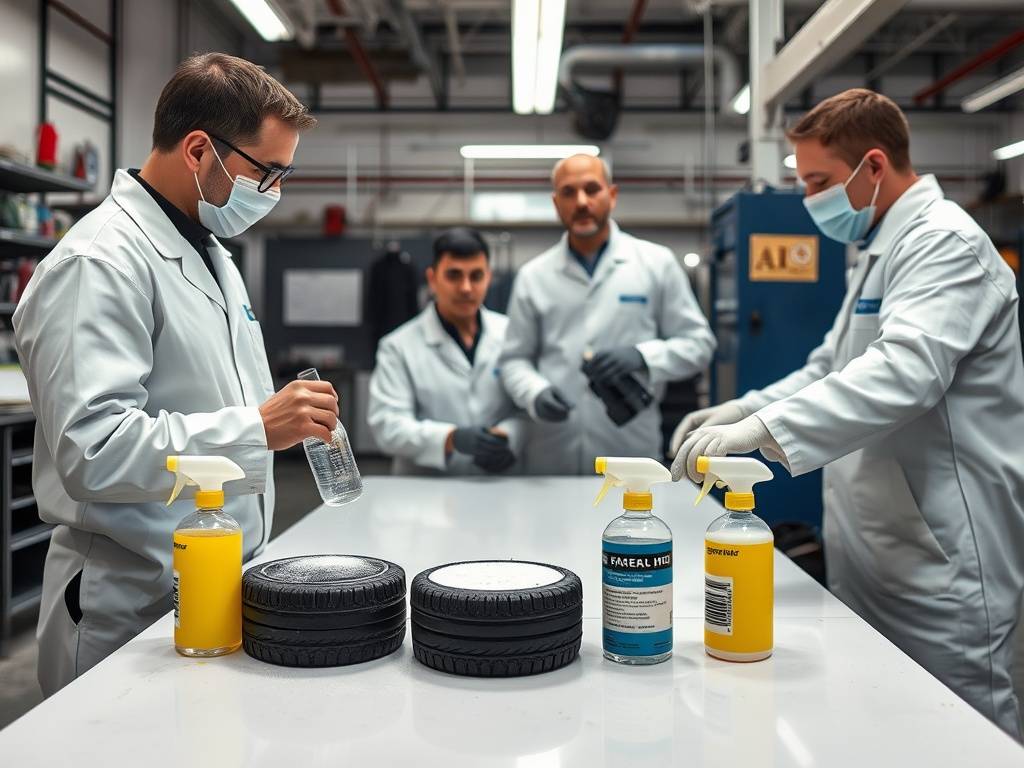
The client already had an existing water-based tire dressing sourced from a local blender. On paper, the product looked acceptable:
- Silicone emulsion-based
- Sprayable formulation
- Low VOC
- Reasonable raw material cost
But once the product reached detailers and distributors, complaints started appearing quickly:
- Shine faded after 1–2 days
- Tire finish looked uneven
- Excessive product sling onto vehicle paint
- Poor water resistance after rain
- Separation during warehouse storage
- Finish became sticky in hot weather
At the same time, competing brands were receiving strong online reviews for:
- Long-lasting satin or wet-look finish
- Better leveling on tire surfaces
- Lower sling during driving
- Easier wipe-on application
- Improved durability after washing
The client realized they were not competing against generic dressings anymore. They were competing against highly optimized formulations engineered specifically for modern detailing expectations.
Rather than experimenting blindly with raw materials and wasting months on trial batches, they decided to benchmark a market-leading product using our Reverse Engineering Services.
Why Reverse Engineering Was the Fastest Path
For small and medium-sized automotive chemical companies, developing a tire shine formulation entirely from scratch is often expensive and unpredictable.
The biggest problem is that many high-performing tire dressings contain:
- Multiple silicone systems
- Specialized emulsifiers
- Rheology modifiers
- Wetting agents
- Surface conditioners
- Anti-sling additives
- Gloss control technologies
Without analytical data, formulation attempts usually become guesswork.
The client wanted:
- Faster time-to-market
- Lower R&D spending
- Reduced raw material waste
- Better manufacturing scalability
- Competitive product performance from the beginning
That is exactly where Automotive Chemical Formulation Analysis becomes valuable.
Instead of spending 12–18 months developing dozens of failed batches, the client used analytical benchmarking to understand what made the target product successful before manufacturing scale-up.
Our Analytical Approach
The client supplied:
- Their current tire dressing
- Two competing tire shine products with strong market reviews
- Performance feedback from distributors and detailing shops
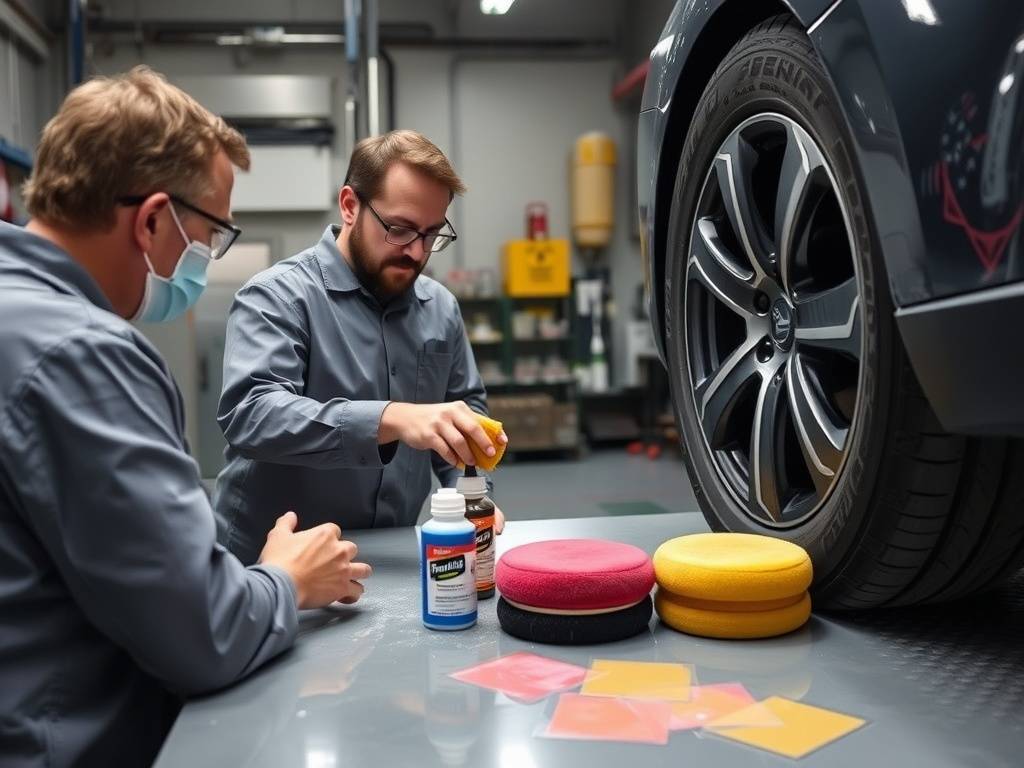
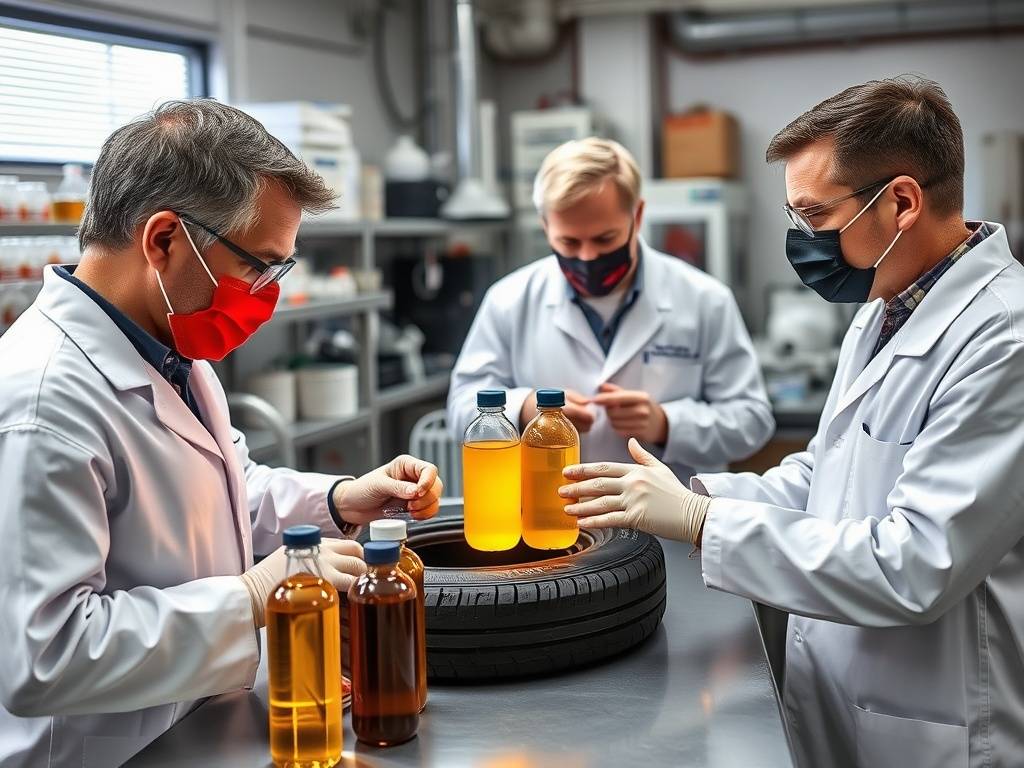
Our laboratory then performed a structured analysis workflow using multiple techniques, including:
- FTIR spectroscopy
- GC-MS analysis
- Silicone profiling
- Emulsion characterization
- Solids determination
- Viscosity evaluation
- Volatile content analysis
- Surface behavior assessment
Using our FTIR Analysis Services and GC-MS Chemical Analysis, we identified critical formulation differences between the client’s product and the benchmark products.
What We Discovered
The biggest issue was not simply “lack of silicone.”
The client’s original formula actually contained a relatively high silicone loading. The real problem was formulation architecture.
The benchmark products used:
1. Multi-Phase Silicone Systems
Instead of relying on a single silicone emulsion, the market-leading products combined:
- Different molecular weight silicones
- Surface-active silicone fluids
- Fast-drying carriers
- Controlled gloss enhancers
This created better tire wetting and more uniform film formation.
2. Improved Anti-Sling Balance
One competitor achieved noticeably lower sling through optimized viscosity and evaporation behavior.
The client’s original formulation dried unevenly, leaving excess mobile material on the tire surface.
After optimization, the product bonded more effectively to the rubber surface while reducing transfer during driving.
3. Better Surface Wetting
The benchmark products spread more evenly across modern tire sidewalls due to specialized wetting agents and surfactant balance.
This produced:
- More uniform appearance
- Less streaking
- Better user experience
- Lower product usage per tire
4. Enhanced Durability
The target products incorporated additives improving:
- Water resistance
- UV stability
- Surface persistence
This explained why consumers reported shine retention even after multiple washes.
Formulation Optimization Phase
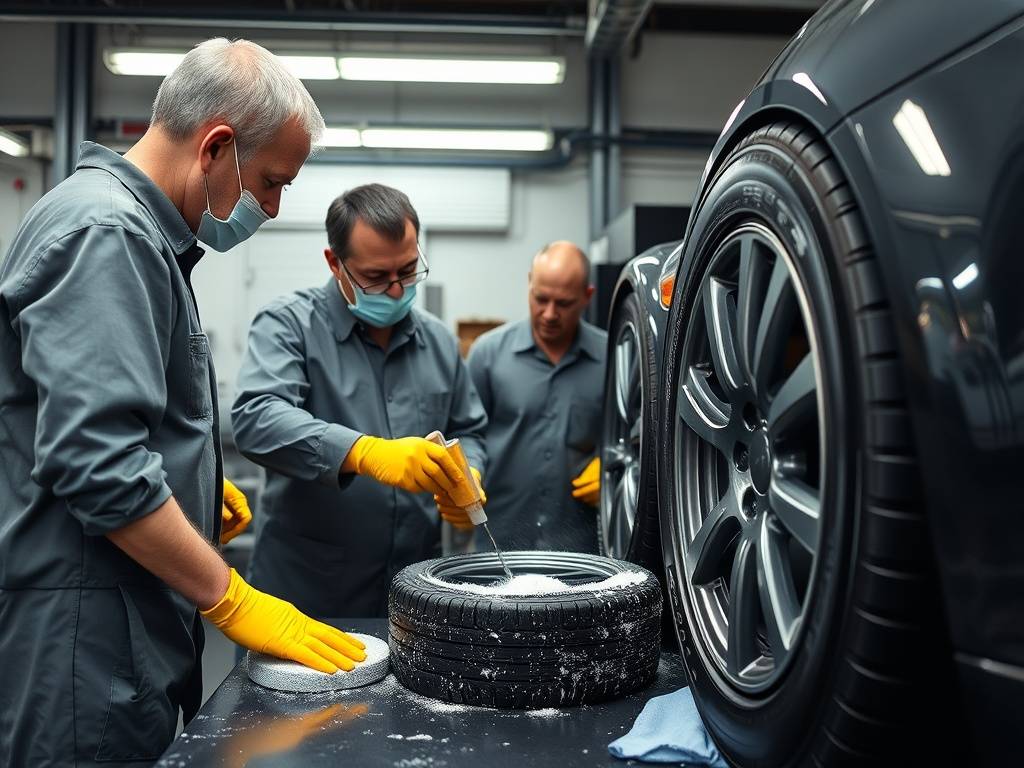
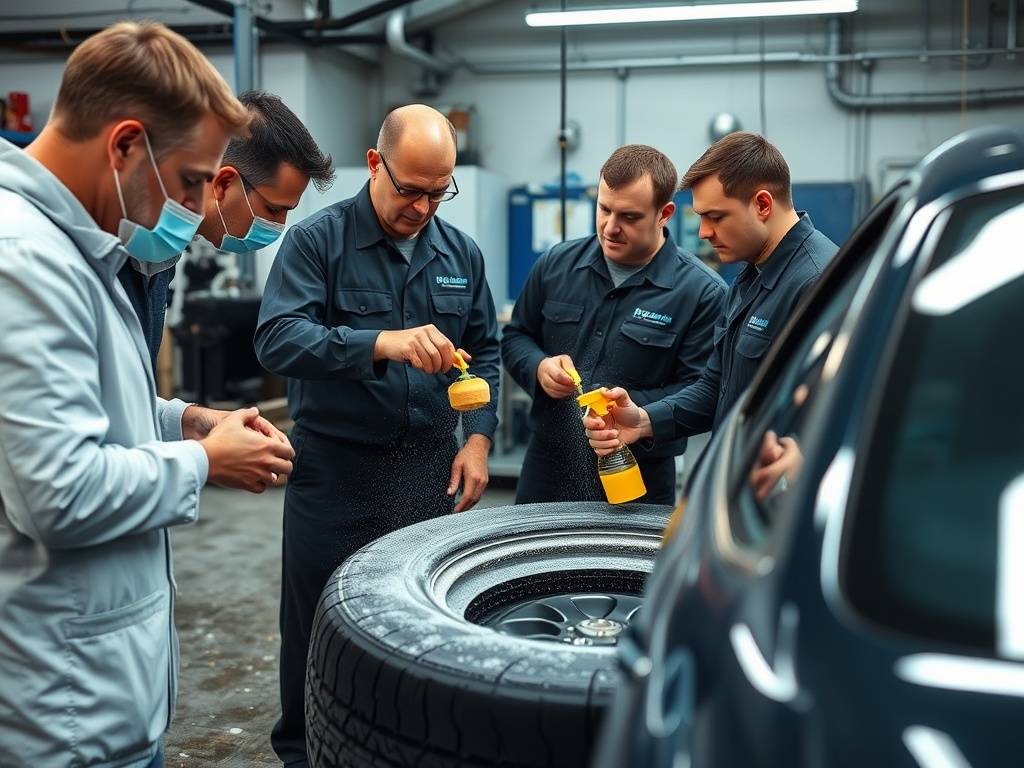
Once the analytical benchmarking was complete, we worked with the client through our Formulation Optimization Services to redesign the product around realistic manufacturing conditions.
This was important because many lab-scale formulas fail during commercial production.
The client needed a formula that could:
- Be manufactured consistently
- Remain stable during storage
- Use commercially available U.S. raw materials
- Scale economically
- Maintain repeatable performance batch-to-batch
The revised formulation focused on:
- Improved silicone compatibility
- Controlled viscosity
- Faster drying profile
- Better leveling behavior
- Reduced surface tackiness
- Enhanced shelf stability
Results After Optimization
Within several pilot batches, the client achieved substantial improvements.
Product Performance Improvements
Compared to their original formulation:
- Shine retention improved significantly
- Sling complaints were reduced
- Product appearance became more uniform
- Water resistance improved
- Tire finish lasted longer after washing
- End-user application became easier
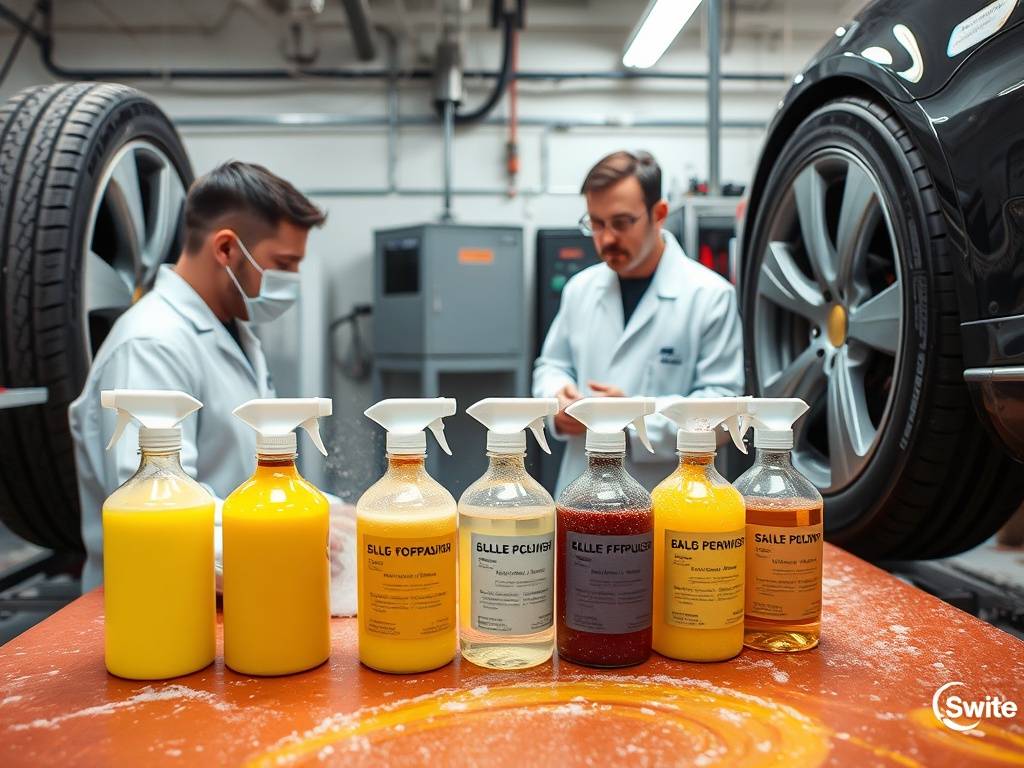
The client ultimately launched two versions:
- High-gloss wet-look dressing
- Satin OEM-style finish
This allowed them to target both retail consumers and professional detailing shops.
Commercial Outcome
After launch, the company was able to:
- Enter independent detailing supply channels
- Improve customer reviews
- Reduce product returns
- Expand distributor interest
- Compete more effectively with established brands
Most importantly, they avoided the massive R&D cost typically associated with automotive chemical development.
Instead of spending years building formulations through trial and error, they used targeted analytical intelligence to shorten development cycles dramatically.
This is why many companies now use Competitive Product Benchmarking Services before investing heavily in production tooling, packaging, and marketing.
Why This Development Strategy Reduces Risk
For many small chemical brands, the largest financial risk is not manufacturing.
It is launching a weak product.
Poor-performing automotive chemicals can quickly damage:
- Distributor relationships
- Online reputation
- Amazon rankings
- Customer retention
- Brand credibility
Using reverse engineering and formulation benchmarking allows companies to:
- Understand successful market formulations
- Avoid unnecessary formulation mistakes
- Reduce failed pilot batches
- Accelerate commercialization
- Improve confidence before launch
For automotive appearance chemicals, this approach is often substantially faster and cheaper than traditional trial-and-error development.
Applications Beyond Tire Shine Dressings
The same analytical and optimization workflow can also support:
- Interior detailers
- Ceramic coating sprays
- Waterless wash products
- Trim restorers
- Wheel cleaners
- Car shampoos
- Spray waxes
- Degreasers
- Rubber protectants
Our Chemical Product Reverse Engineering Lab supports companies ranging from startups to established manufacturers seeking competitive benchmarking and scalable formulation development.
Looking to Develop or Improve an Automotive Chemical Product?
Whether you are launching a new detailing product or improving an existing formulation, analytical benchmarking can dramatically reduce development time and commercial risk.
At FormulationAnalysis.com, we help companies:
- Reverse engineer competitor products
- Identify raw material systems
- Improve formulation performance
- Optimize manufacturing stability
- Benchmark against market leaders
- Accelerate commercialization
Contact Us
Website:
FormulationAnalysis.com
Reverse Engineering Services:
View Services
Automotive Chemical Analysis:
Automotive Formulation Support
Contact Page:
Contact Our Lab