In industrial cleaning, customers rarely care about marketing language.
They care about whether the product actually works on the floor.
Can it remove baked-on grease from heavy machinery?
Will it clean hydraulic oil without damaging metal surfaces?
Does it rinse clean without leaving residue?
Will it work inside heated parts washers?
Can maintenance crews use it safely every day?
A mid-sized industrial cleaning and metal surface treatment company in Houston understood these questions better than most.
For years, the company supplied metal pretreatment chemicals, industrial maintenance cleaners, and surface preparation products to manufacturers, equipment service companies, and oilfield-related facilities across Texas and neighboring industrial regions.
Their customers consistently faced one frustrating problem:
Most degreasers were either powerful but unsafe on surfaces — or safer products that simply did not clean effectively enough.
The company recognized a major market opportunity.
Instead of continuing to resell generic private-label cleaners, they wanted to develop a high-performance Heavy-Duty Degreaser under their own brand specifically designed around real industrial maintenance needs.
But rather than spending years attempting blind formulation development, the company chose a much more practical strategy:
They gathered customer feedback, identified products their customers already liked using, reverse engineered those products, optimized the formulation for their own manufacturing capability, and then commercialized a differentiated industrial degreaser product line.
This case study explains how analytical benchmarking and formulation optimization through FormulationAnalysis.com helped the company move from market demand to commercial production with lower technical risk, lower development cost, and significantly faster time-to-market.
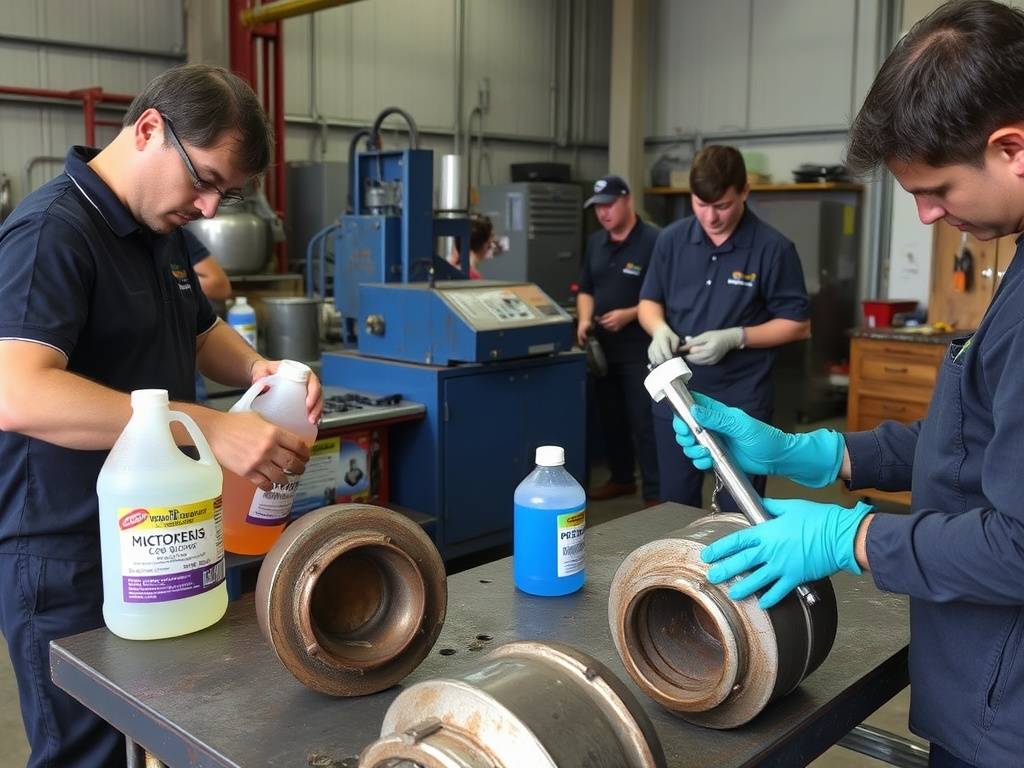
The Opportunity Started With Customer Complaints
Unlike startups trying to guess market demand, this company already had direct access to industrial maintenance customers.
Their sales team routinely visited:
- Fabrication shops
- Heavy equipment maintenance facilities
- Manufacturing plants
- Oil & gas service operations
- Fleet maintenance companies
- Metal processing facilities
Over time, several recurring complaints kept appearing:
- Existing degreasers struggled with carbonized grease
- Some products damaged painted surfaces
- Strong solvents caused operator complaints
- Residue interfered with downstream coating processes
- Dilution performance was inconsistent
- Foam levels created problems in spray systems
- Certain products failed in heated cleaning applications
The company realized industrial customers wanted something very specific:
A degreaser strong enough for heavy contamination, but balanced enough for regular industrial use.
That combination is far more technically difficult than many companies expect.
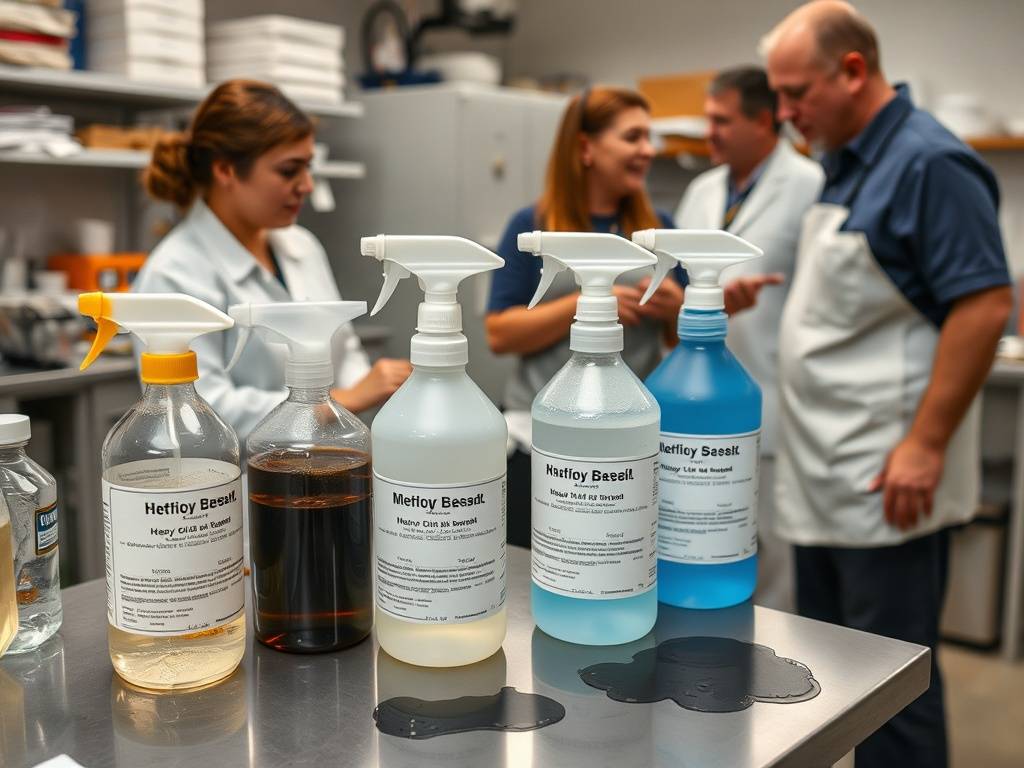
Why Heavy-Duty Degreasers Are Difficult to Formulate Properly
Many industrial buyers assume degreasers are simple solvent blends.
Modern high-performance industrial cleaning systems are actually carefully balanced chemical formulations involving:
- Surfactant systems
- Solvent blends
- Alkaline builders
- Chelating agents
- Corrosion inhibitors
- Foam control additives
- Wetting agents
- Emulsification systems
- Water conditioning components
- Residue-control technologies
The interaction between these systems determines:
- Cleaning efficiency
- Material compatibility
- Residue levels
- Rinse behavior
- User safety
- Equipment compatibility
- Concentrate stability
- Dilution performance
Small formulation changes can create major unintended consequences.
For example:
- Increasing solvent strength may damage coatings
- Reducing foam may weaken cleaning performance
- Higher alkalinity may affect aluminum surfaces
- Stronger surfactants may increase rinse residue
The client initially attempted several internal development batches but quickly realized the process could become extremely expensive without analytical direction.
That is when they decided to benchmark products already succeeding in industrial environments using Chemical Reverse Engineering Services.
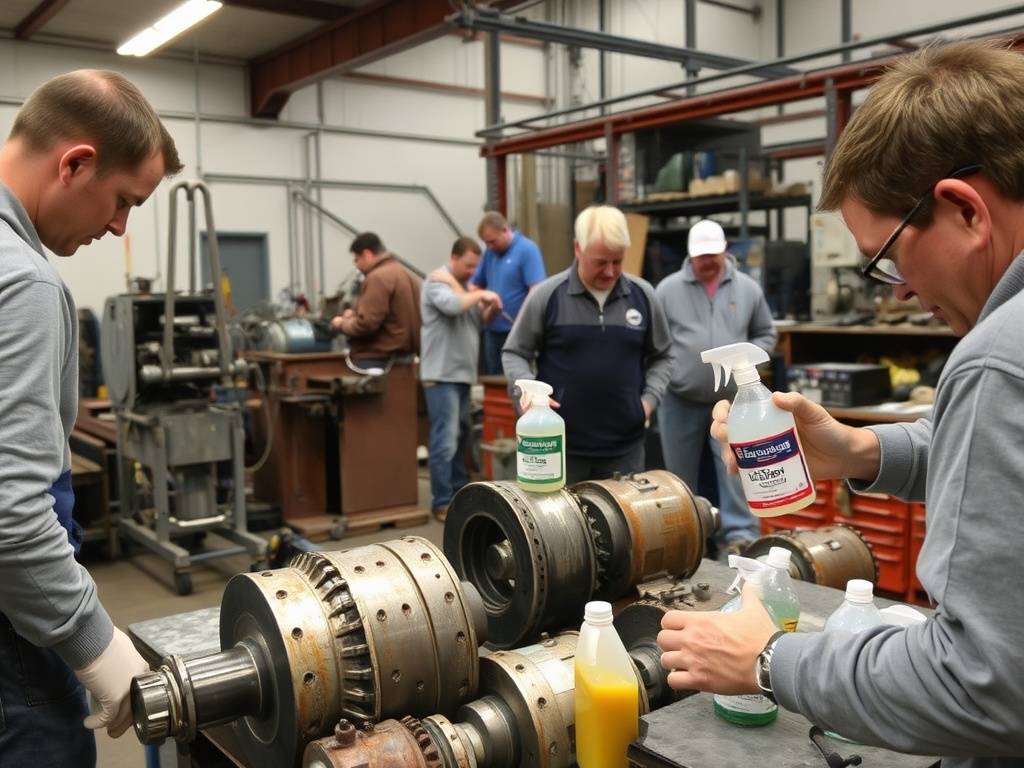
Building a Product Around Real Customer Usage
One reason this project succeeded was because the company approached development from the customer side first.
They did not start by choosing raw materials.
They started by identifying real-world usage conditions.
Their industrial customers needed products capable of:
- Removing heavy petroleum contamination
- Cleaning industrial equipment
- Working in spray applications
- Remaining stable during dilution
- Producing low residue
- Being safer on sensitive metals
- Performing inside heated systems
The company also noticed that several maintenance facilities consistently purchased a particular commercial degreaser brand because operators trusted its cleaning power.
Instead of trying to reinvent the wheel, management decided to understand why that product performed so well.
This dramatically reduced development uncertainty.
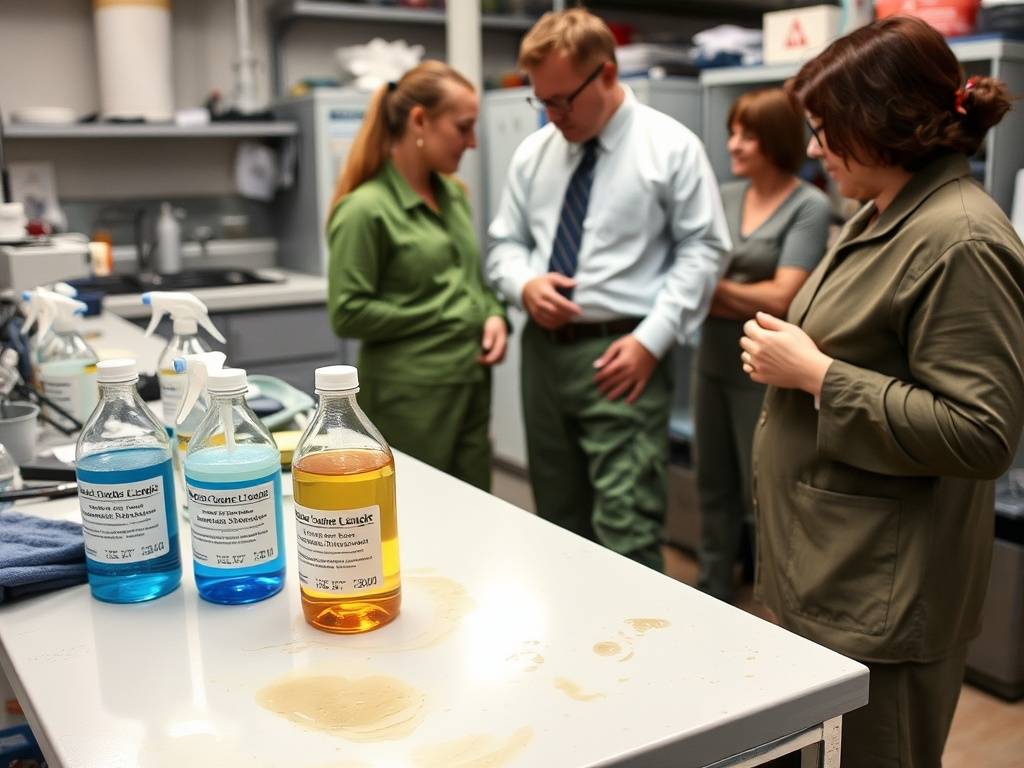
Reverse Engineering the Benchmark Product
The client supplied:
- Their current degreaser formulations
- Several customer-preferred commercial degreasers
- Performance observations from maintenance crews
- Internal application testing notes
Using Industrial Chemical Formulation Analysis Services, we evaluated:
- Solvent composition
- Surfactant architecture
- Alkalinity profile
- Wetting system behavior
- Emulsification characteristics
- Residue behavior
- Foam profile
- Stability characteristics
Analytical techniques included:
- FTIR spectroscopy
- GC-MS analysis
- Surfactant characterization
- Solvent profiling
- pH analysis
- Thermal stability evaluation
- Residue assessment
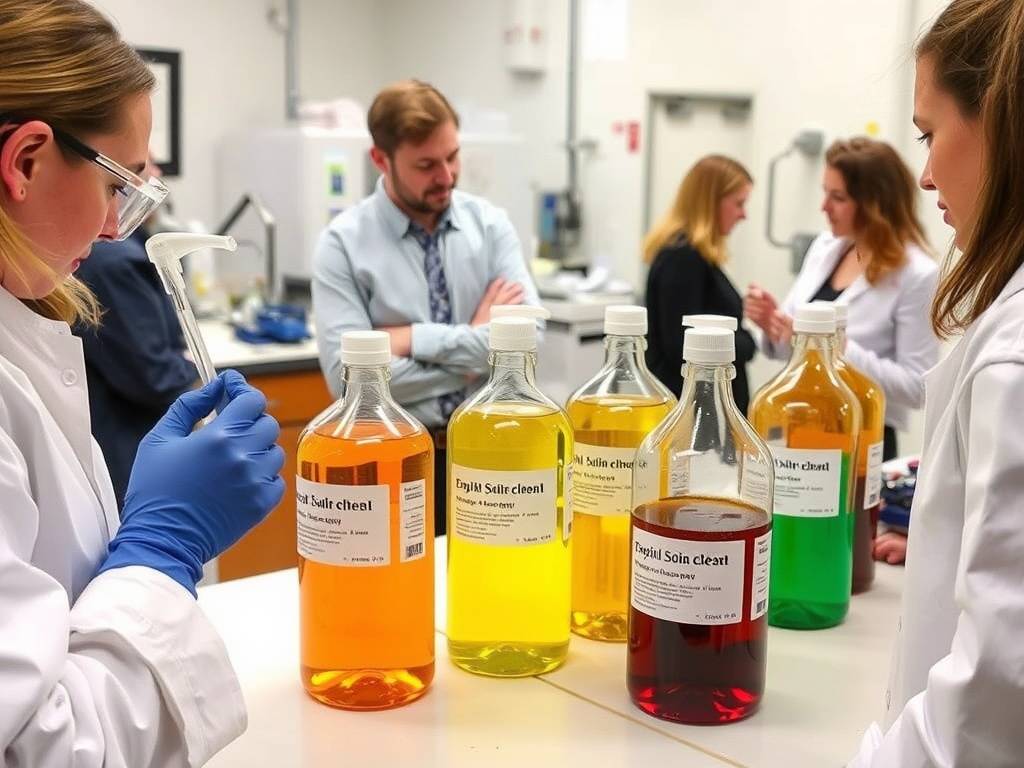
Our FTIR Chemical Analysis Services and GC-MS Testing Services helped identify several important reasons the benchmark products outperformed generic industrial cleaners.
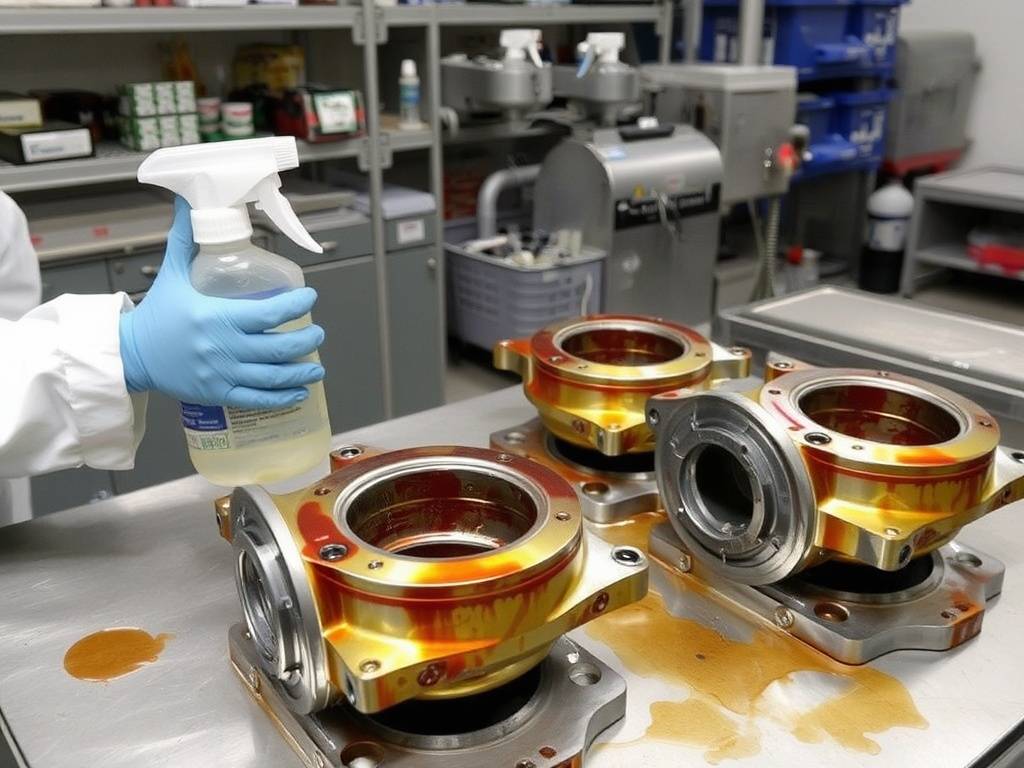
One Critical Discovery: Cleaning Power Was Coming From System Synergy — Not Just Stronger Solvents
Initially, the client assumed the leading degreaser simply used more aggressive solvents.
The analysis showed something much more important.
The benchmark product achieved high cleaning efficiency through carefully balanced interactions between:
- Solvents
- Surfactants
- Alkaline systems
- Emulsification behavior
This allowed the product to penetrate heavy grease rapidly while still rinsing relatively clean.
The client’s original formulations relied too heavily on alkalinity and solvent loading alone.
That created multiple side effects:
- Surface sensitivity
- Higher odor
- Operator complaints
- Residue buildup
- Reduced material compatibility
The benchmark product used a much more balanced architecture.
Foam Control Became a Major Engineering Focus
Several of the client’s customers used spray cabinets and recirculating cleaning systems.
Excessive foam created operational problems:
- Equipment inefficiency
- Overflow risk
- Reduced spray pressure
- Maintenance issues
However, reducing foam too aggressively often weakened cleaning performance.
Through formulation optimization using Formulation Optimization Services, the client developed a much more balanced low-foam cleaning system suitable for industrial applications.
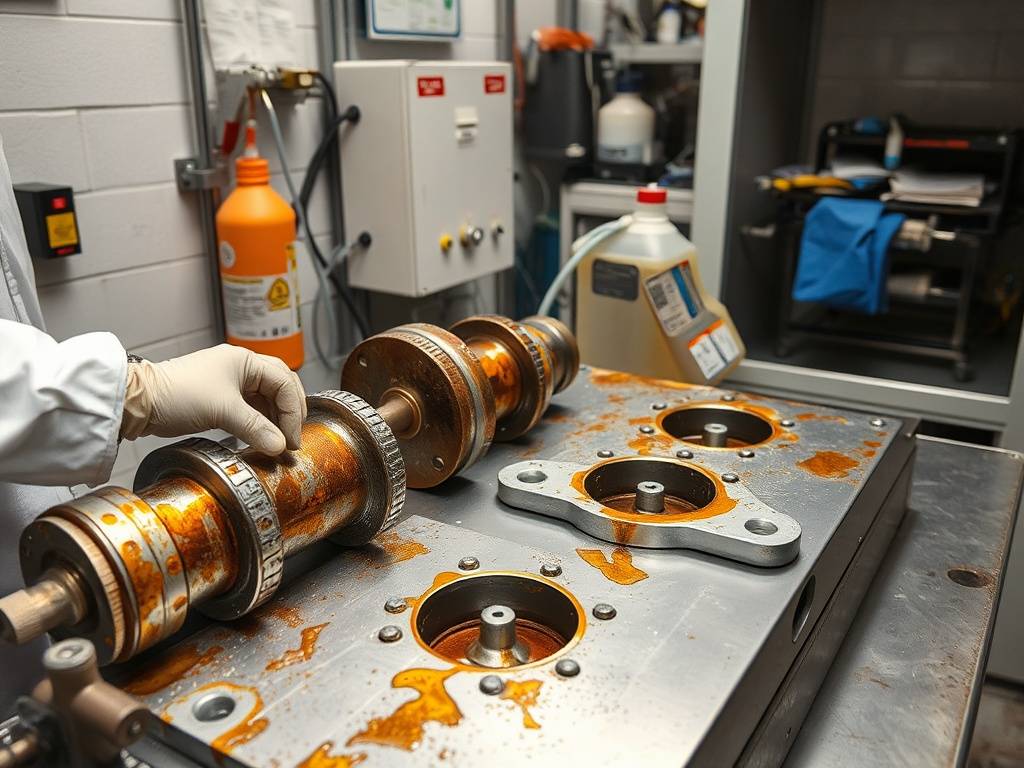
Metal Compatibility Was Another Commercial Requirement
The company’s customers cleaned a wide variety of materials including:
- Carbon steel
- Stainless steel
- Aluminum
- Painted machinery
- Powder-coated components
The optimized formulation therefore needed improved compatibility across mixed industrial surfaces.
This became particularly important for customers using the product in manufacturing environments where downstream coating or finishing processes could be affected by residue or surface damage.
Pilot Production and Real-World Testing
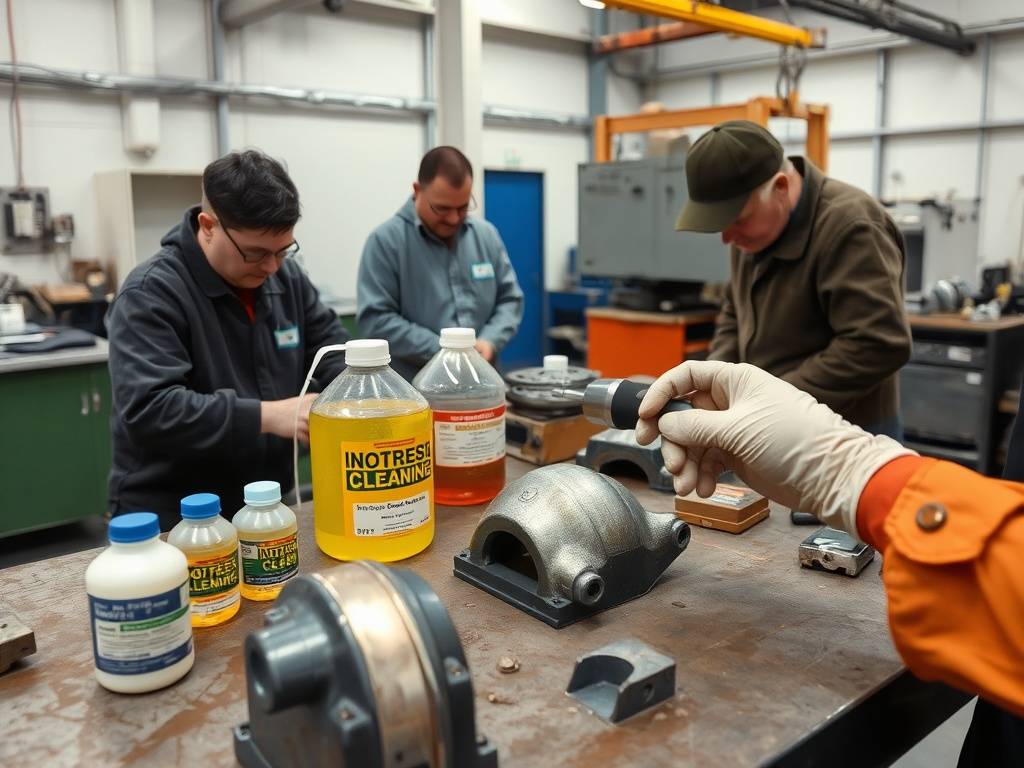
After the analytical and optimization phases, the company produced pilot batches internally for field testing.
Several industrial customers participated in evaluation trials involving:
- Machinery cleaning
- Heavy equipment maintenance
- Oil contamination removal
- Parts washing
- Manufacturing cleanup
- Surface preparation operations
Feedback was significantly stronger than previous internal formulations.
Customers specifically reported:
- Faster grease removal
- Reduced wiping effort
- Cleaner rinse performance
- Better usability in heated systems
- Improved operator acceptance
- Lower residue after cleaning
That feedback gave management confidence to move toward full-scale commercialization.
Commercial Launch and Market Expansion
The company ultimately launched its new heavy-duty industrial degreaser line targeting:
- Manufacturing plants
- Maintenance contractors
- Industrial cleaning distributors
- Oilfield service companies
- Fleet maintenance facilities
- Equipment service providers
The new product line helped the company:
- Strengthen customer retention
- Improve distributor relationships
- Expand into higher-margin products
- Differentiate from generic private-label suppliers
- Increase recurring industrial accounts
Most importantly, they achieved commercialization much faster than traditional formulation development would typically allow.
Instead of spending years experimenting blindly, they used analytical benchmarking and competitive formulation intelligence to accelerate product development.
Why Reverse Engineering Reduces Development Risk
For industrial chemical manufacturers, failed formulation projects are expensive.
The true costs often include:
- Delayed market entry
- Raw material waste
- Failed production batches
- Customer dissatisfaction
- Manufacturing instability
- Lost sales opportunities
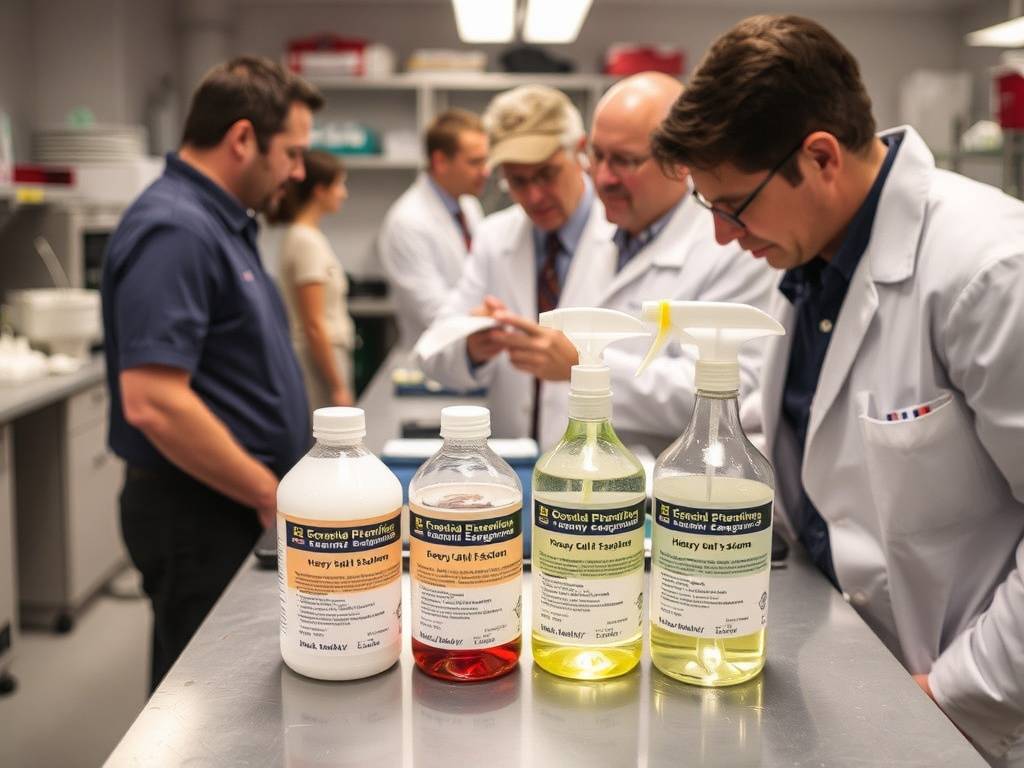
Using Competitive Product Analysis Services allows companies to develop products using real market performance intelligence instead of assumptions.
For industrial cleaners especially, this approach often provides the fastest path from concept to commercial production.
Supporting Industrial Cleaning Product Development
At FormulationAnalysis.com, we support reverse engineering and formulation optimization projects involving:
- Heavy-duty degreasers
- Industrial cleaning concentrates
- Metal surface cleaners
- Spray wash detergents
- Alkaline cleaning systems
- Low-foam industrial cleaners
- Parts washer fluids
- Surface preparation chemicals
- Manufacturing maintenance cleaners
- Equipment cleaning chemicals
Our Industrial Chemical Reverse Engineering Services help manufacturers accelerate product development while reducing technical uncertainty and commercialization risk.
Looking to Develop Your Own Industrial Cleaning Product?
Whether you are upgrading an existing industrial cleaner or developing a new degreaser product line, analytical benchmarking can significantly reduce formulation risk and development time.
We help manufacturers:
- Reverse engineer industrial cleaning formulations
- Analyze surfactant and solvent systems
- Improve cleaning performance
- Optimize manufacturing scalability
- Troubleshoot formulation problems
- Benchmark against market-leading products
- Accelerate commercialization
Contact FormulationAnalysis.com
Website:
FormulationAnalysis.com
Reverse Engineering Services:
View Reverse Engineering Services
Formulation Optimization Services:
Formulation Optimization Services
Competitive Product Benchmarking:
Competitive Product Analysis Services
Contact Our Laboratory:
Contact Our Team