In today’s automotive appearance market, consumers expect instant results.
A customer spraying a quick detailer onto a black vehicle wants to see gloss immediately. No streaking. No haze. No residue left behind in direct sunlight. Professional detailers want slickness, hydrophobic performance, and fast wipe-off. Retail consumers want something even simpler — spray, wipe, shine.
That combination is exactly why the Spray Wax and Quick Detailer category has become one of the fastest-growing segments in automotive car care.
But developing a competitive formula is much harder than it appears.
A U.S.-based automotive appearance products company recently approached FormulationAnalysis.com after struggling to develop a spray wax product that could compete with several highly reviewed detailing brands already dominating online marketplaces and detailing distributors.
The company already had packaging concepts, branding, and sales channels prepared. What they lacked was a formulation capable of matching the performance consumers expected from modern premium detailing products.
This case study explains how formulation benchmarking, reverse engineering, and targeted optimization helped the company develop and launch its own Spray Wax / Quick Detailer product line while reducing development time, formulation risk, and unnecessary R&D cost.
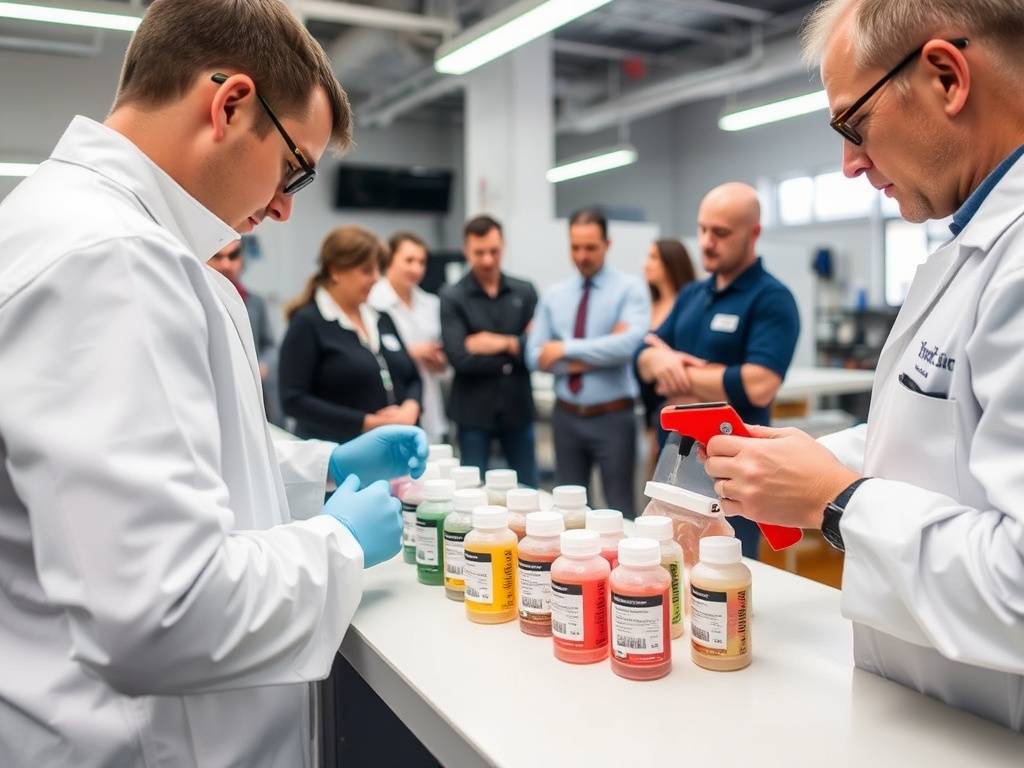
The Problem: Their Existing Formula Looked Good for 10 Minutes — Then Failed
The client originally sourced a generic white-label spray detailer through a contract blender.
At first glance, the product seemed acceptable:
- Pleasant fragrance
- Easy spray application
- Good initial gloss
- Low manufacturing cost
However, once the product was tested by distributors and detailers, problems became obvious very quickly.
The finish looked impressive immediately after application, but performance dropped sharply after several hours or the first wash.
Customers reported:
- Poor water beading
- Short durability
- Streaking on dark paint
- Smearing in warm weather
- Uneven wipe-off
- Weak slickness compared to premium brands
- Residue left on trim and glass
More importantly, the product lacked differentiation.
The client realized they were not simply competing against “car wax.” They were competing against highly engineered modern spray protection systems designed specifically around consumer convenience and visual performance.
Instead of continuing random formulation trials, they decided to benchmark several top-performing products using Reverse Engineering Services.
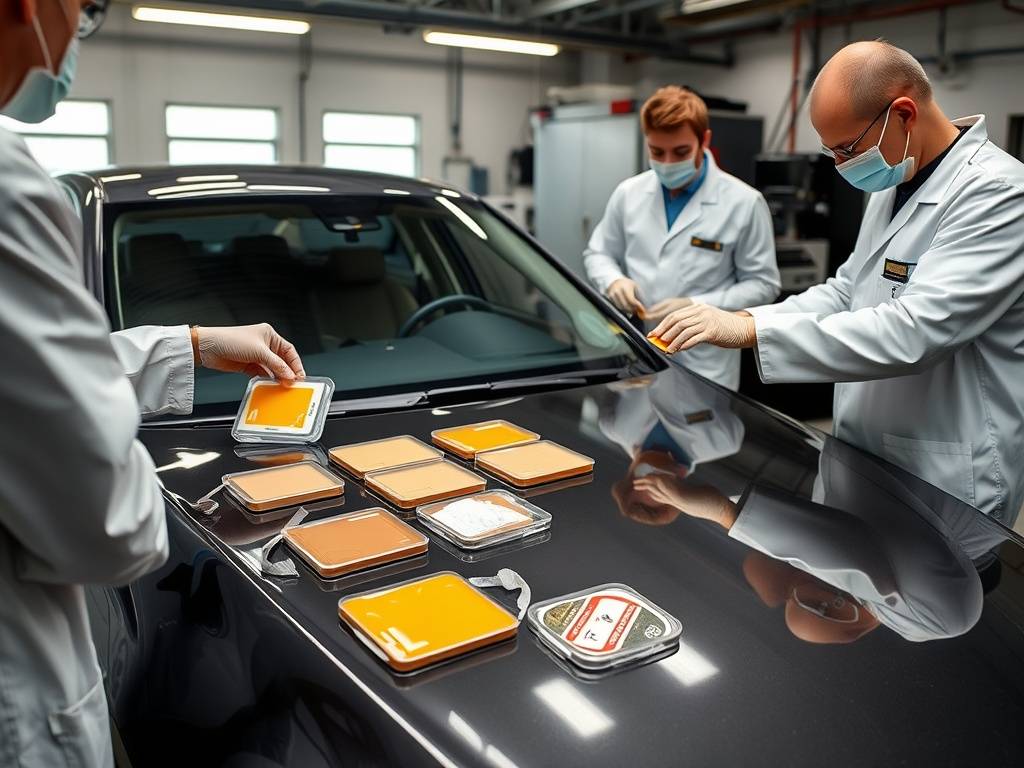
Why Spray Wax Formulations Are More Complex Than Most Companies Expect
Many small automotive chemical brands underestimate how technically sophisticated modern quick detailers have become.
Today’s leading products often combine:
- Silicone emulsions
- Synthetic polymer protection systems
- Hydrophobic additives
- Surface gloss enhancers
- Lubricity modifiers
- Specialized surfactants
- Fast-flash carriers
- Compatibility stabilizers
Balancing all of these systems is difficult.
A product can easily become:
- Too oily
- Too streaky
- Too watery
- Difficult to wipe
- Unstable during storage
- Incompatible with spray triggers
- Sensitive to temperature variation
The client’s biggest frustration was that every small change created a new problem somewhere else.
That is why they decided to use analytical benchmarking instead of trial-and-error formulation development.
Benchmarking the Leading Products
The client supplied:
- Their current quick detailer formula
- Three high-performing competitor products
- Customer feedback from detailing professionals
- Retail performance observations
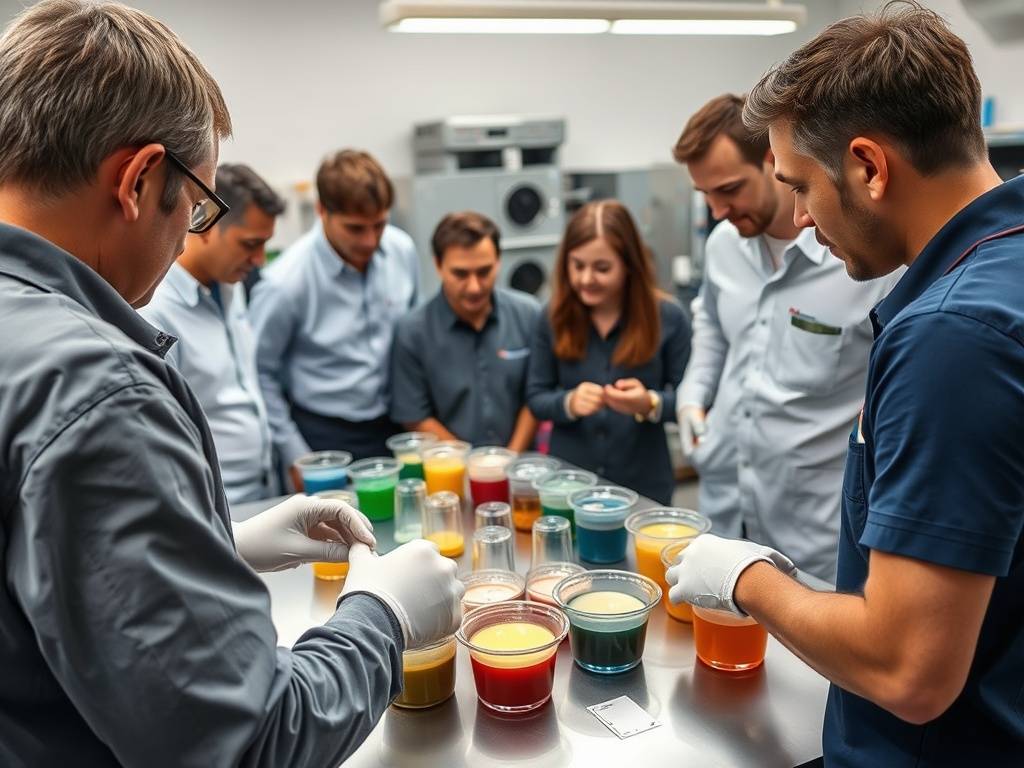
Using our Automotive Chemical Formulation Analysis Services, we performed a structured comparative analysis focused on:
- Gloss behavior
- Surface slickness
- Evaporation profile
- Hydrophobic performance
- Polymer system characteristics
- Silicone composition
- Emulsion stability
- Volatile content
- Residue behavior
Analytical techniques included:
- FTIR spectroscopy
- GC-MS analysis
- Surface characterization
- Viscosity profiling
- Stability assessment
- Solids content determination
Through our FTIR Analysis Services and GC-MS Chemical Analysis, we identified several critical differences between the client’s formula and the benchmark products.
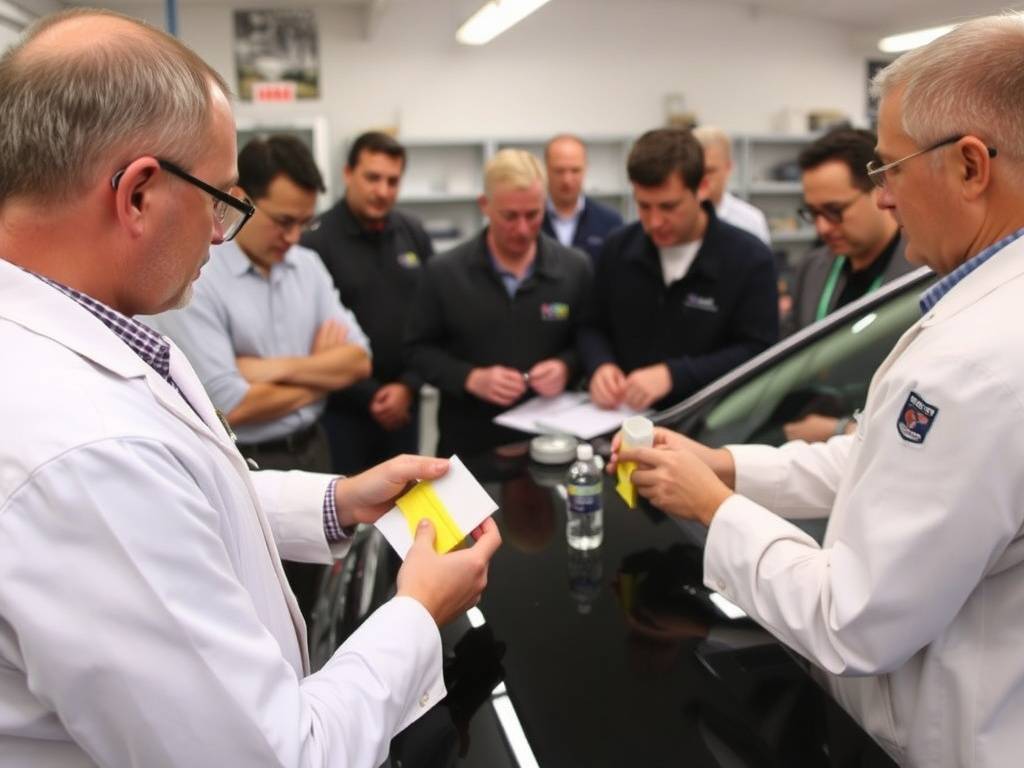
What the Analysis Revealed
One of the most important discoveries was that the leading products were not relying solely on traditional wax systems.
Instead, they used hybrid protection architectures combining synthetic polymers and specialized silicone technologies.
This created:
- Faster gloss development
- Better wipe characteristics
- Improved slickness
- More durable hydrophobic performance
- Lower residue formation
The client’s original formula contained excessive heavier materials that improved initial shine but negatively affected wipe-off and user experience.
The benchmark products also demonstrated significantly better carrier balance, allowing the products to flash quickly without creating haze or smearing.
Another Major Issue: User Experience
Most small chemical companies focus only on gloss.
But consumers judge spray wax products based on how they feel during application.
The leading products delivered:
- Smooth microfiber glide
- Low drag during wiping
- Faster buffing
- Cleaner finish on black paint
- Better compatibility with ceramic-coated surfaces
The client’s existing product felt “grabby” during wipe-off and became inconsistent under warm weather conditions.
This is extremely common in improperly balanced quick detailer systems.
Our analysis showed that subtle formulation changes could dramatically improve user perception without significantly increasing production cost.
Formulation Optimization and Pilot Development
After the benchmarking phase, the client moved into optimization using our Formulation Optimization Services.
The goal was not to create an exact clone.
Instead, the objective was to develop:
- A scalable formulation
- Competitive real-world performance
- Improved user experience
- Reliable raw material sourcing
- Stable manufacturing behavior
- Market differentiation
The optimized system focused on:
Improved Gloss Enhancement
The revised formula generated deeper visual gloss while maintaining cleaner wipe characteristics.
Better Hydrophobic Performance
Water beading and surface repellency improved substantially after balancing polymer and silicone interactions.
Reduced Streaking
The reformulated product showed significantly improved behavior on dark-colored paint systems.
Faster Application
The product flashed more evenly and required less effort during wipe-off.
This became a major selling point during customer testing.
Better Shelf Stability
The final formulation maintained stability during accelerated storage testing and transportation simulation.
This was critical for retail distribution and warehouse handling.
Commercial Results After Launch
Once pilot batches were completed, the client launched the product under its own automotive detailing brand.
The company introduced:
- Spray Wax
- Ceramic-infused Quick Detailer
- Gloss-enhancing maintenance spray
The products were positioned toward:
- Enthusiast consumers
- Independent detailing shops
- E-commerce automotive retailers
Within months, the company reported:
- Improved customer retention
- Stronger repeat purchases
- Better detailing shop feedback
- Reduced customer complaints
- Higher confidence during distributor presentations
Most importantly, they avoided years of expensive formulation experimentation.
Instead of building an internal laboratory and testing dozens of failed formulations, they used analytical intelligence to accelerate development.
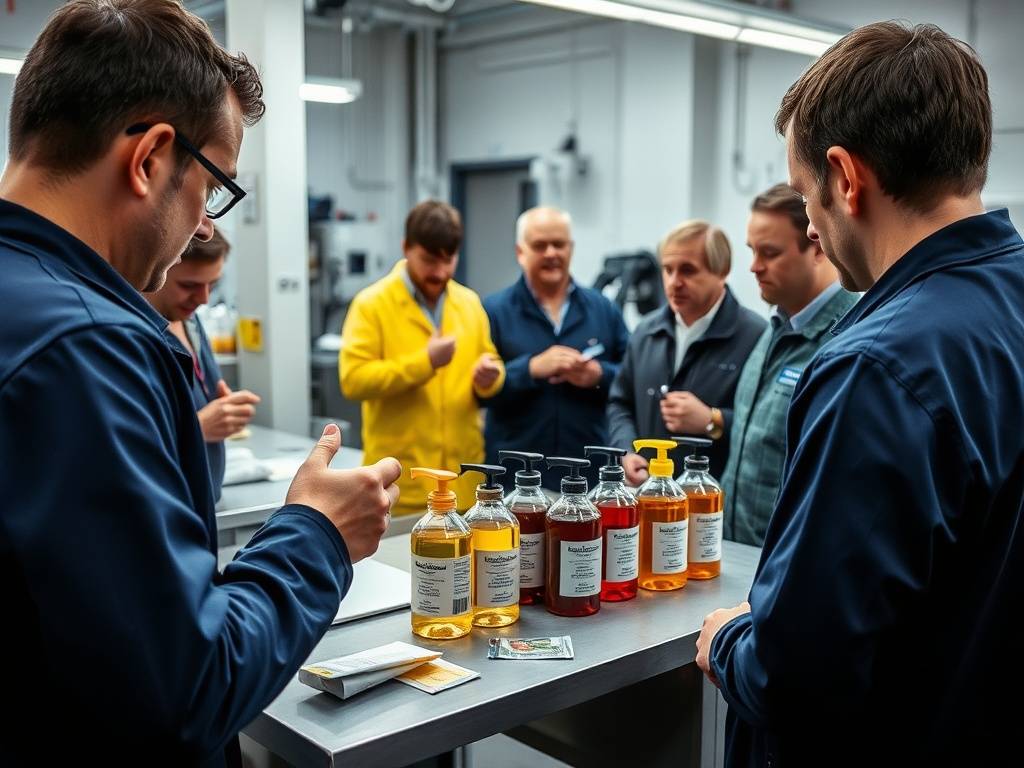
Why Reverse Engineering Reduces Product Development Risk
Many automotive appearance companies underestimate the true cost of failed formulation development.
The largest expense is often not laboratory testing.
It is:
- Lost launch opportunities
- Weak customer reviews
- Failed production batches
- Inventory problems
- Brand reputation damage
- Delayed market entry
Using Competitive Product Analysis Services allows companies to make formulation decisions based on real analytical data rather than assumptions.
This dramatically reduces uncertainty during commercialization.
For startups and small manufacturers especially, reverse engineering and formulation benchmarking often provide the fastest path to market-ready products.
Supporting Automotive Chemical Brands Beyond Spray Wax
At FormulationAnalysis.com, we support formulation analysis and optimization projects involving:
- Spray waxes
- Ceramic maintenance sprays
- Tire dressings
- Waterless wash systems
- Interior detailers
- Wheel cleaners
- Car shampoos
- Degreasers
- Trim coatings
- Surface protectants
Our Chemical Reverse Engineering Laboratory works with both startups and established manufacturers seeking faster product development with lower technical risk.
Looking to Develop Your Own Automotive Detailing Product?
Whether you are building a new detailing brand or upgrading an existing formula, analytical benchmarking can significantly shorten your development timeline.
We help automotive chemical companies:
- Analyze competitor formulations
- Improve product performance
- Optimize raw material selection
- Troubleshoot formulation problems
- Improve manufacturing stability
- Reduce R&D uncertainty
- Accelerate commercialization
Contact FormulationAnalysis.com
Website:
FormulationAnalysis.com
Reverse Engineering Services:
View Reverse Engineering Services
Automotive Chemical Analysis:
Automotive Formulation Support
Competitive Product Benchmarking:
Competitive Product Analysis
Contact Our Laboratory:
Contact Us