rom Market Pressure to Product Opportunity
In industrial cleaning, timing is often the difference between winning and losing a contract.
A mid-sized industrial chemical company based in Houston, Texas—serving refineries, food processing plants, and water treatment facilities—was facing a growing problem.
Their service division was expanding, but their product line was not keeping up.
Clients were increasingly requesting:
- High-efficiency acid descalers for heat exchangers
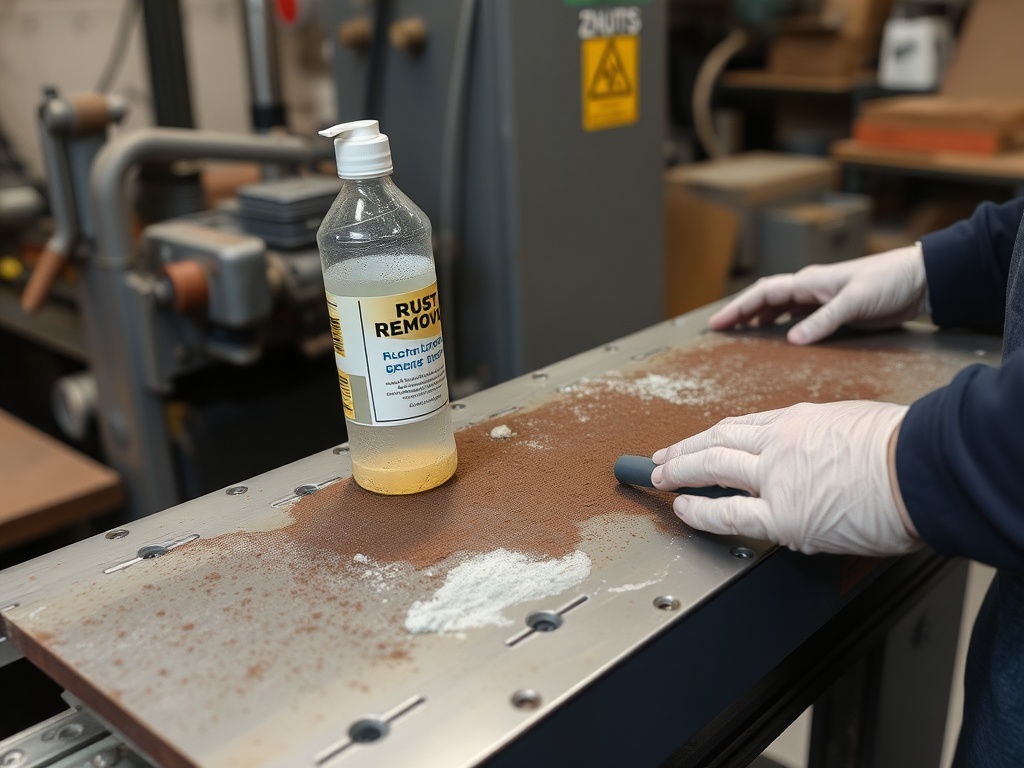
- Safer rust removal solutions for stainless steel systems
- Low-fuming boiler cleaners for confined-space work
- Products with corrosion inhibitors already built in
- Faster scale removal with reduced downtime
At the same time, competitors were bringing to market more advanced formulations with:
- Controlled acidity systems
- Improved metal protection packages
- Optimized surfactant penetration systems
- Better safety profiles for field technicians
The company realized a critical gap:
They could apply cleaning chemicals very effectively—but they could not manufacture a modern, competitive descaler that matched top-tier brands.
The Technical Challenge: Acid Cleaning Without Damage
Industrial acid cleaners and descalers are deceptively complex systems.
On paper, they look simple: acid + water + additives.
In reality, performance depends on a delicate balance between:
- Acid strength and buffering control
- Metal corrosion inhibition systems
- Wetting and penetration efficiency
- Foaming behavior in closed-loop systems
- Compatibility with stainless steel, carbon steel, and copper alloys
- Temperature stability under field conditions
The Houston company had already tested several off-the-shelf formulations from raw material suppliers. The results were inconsistent:
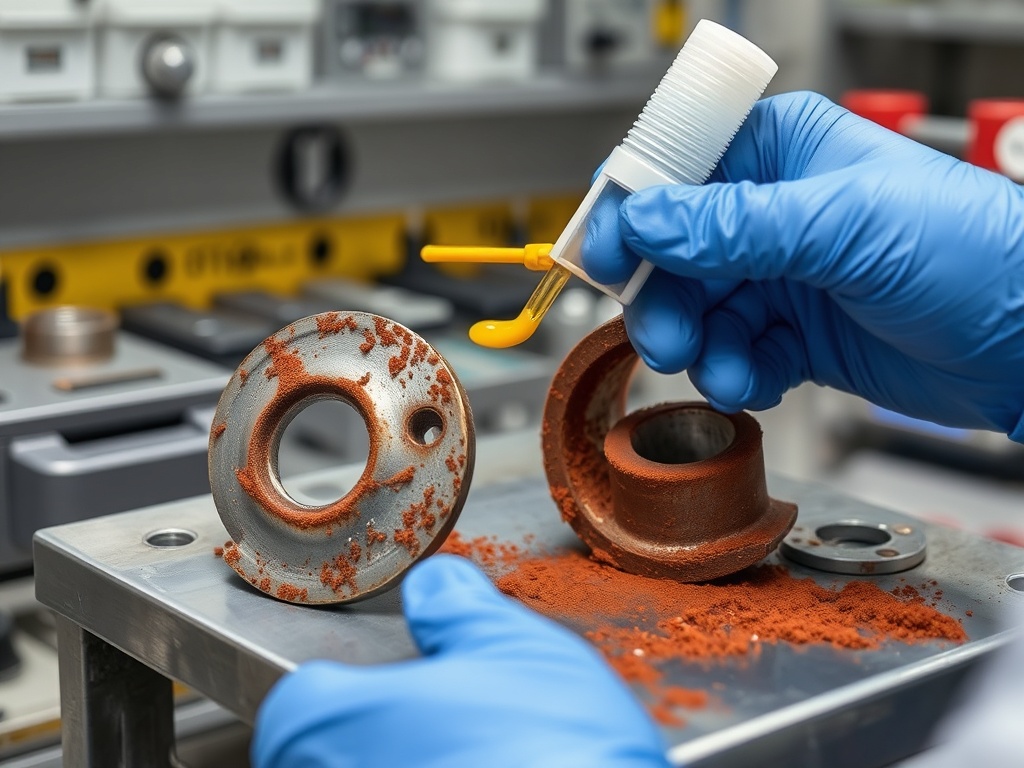
- Strong acids removed scale quickly but caused surface etching
- “Safer” blends were too slow for industrial downtime requirements
- Some inhibitors worked on carbon steel but failed on stainless systems
- Foaming caused operational issues in pump circulation systems
One of their senior engineers summarized the problem clearly:
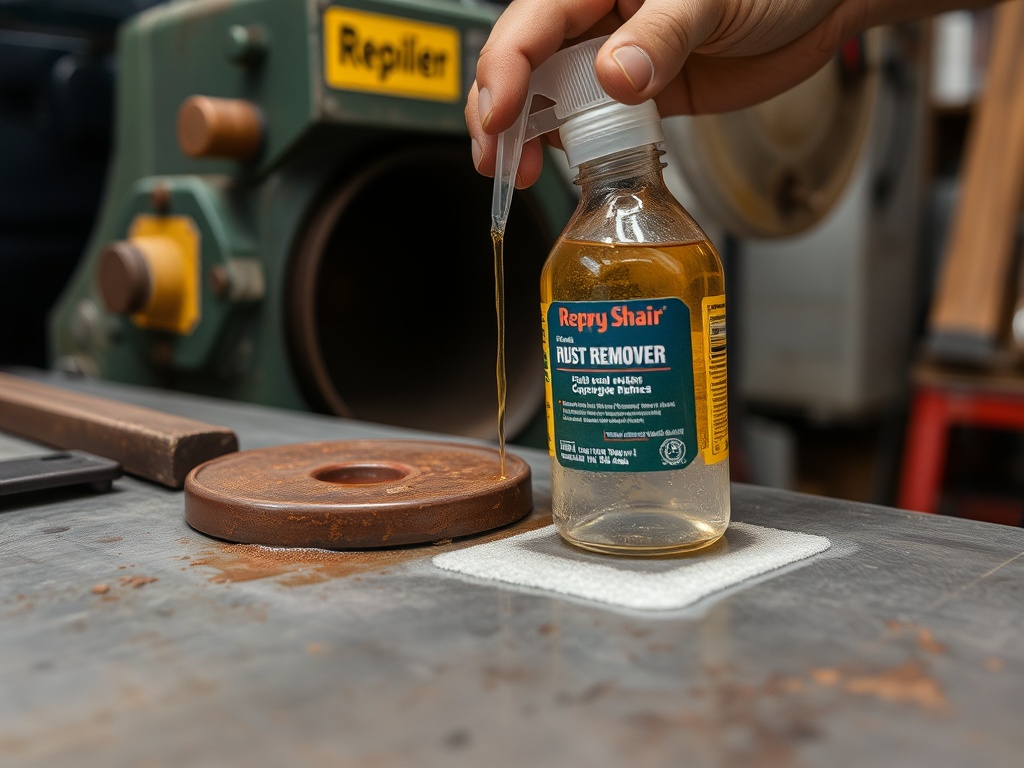
“We can remove scale. The challenge is removing scale without destroying the system.”
Why Traditional Formulation Development Was Not Working
The company initially tried to develop a proprietary formulation internally.
Over a 9-month period, they:
- Tested multiple acid blends (HCl, phosphoric, sulfamic systems)
- Experimented with corrosion inhibitor packages
- Adjusted surfactant and wetting agent systems
- Ran pilot cleaning cycles in simulated pipelines
- Conducted repeated metal loss testing
However, three major barriers kept appearing:
1. Lack of Competitive Insight
They did not know how leading commercial descalers achieved:
- Fast scale removal with low corrosion
- Long contact-time stability
- Multi-metal compatibility
- Low odor and reduced fuming
Without benchmarking, formulation work became trial-and-error.
2. Inhibitor Systems Were Invisible
Corrosion inhibitors are rarely disclosed in product SDS sheets.
Yet they are the single most important component determining:
- Safety
- Metal integrity
- Product classification
- Field usability
The company could not determine:
- Whether inhibitors were organic or inorganic
- How multi-metal protection was achieved
- Why some products worked better at lower acid concentration
3. Cost and Time Pressure
Industrial customers were already switching suppliers.
Every delayed month meant:
- Lost contracts in refinery maintenance
- Reduced chemical supply agreements
- Increased competitive pressure from national brands
They needed a faster path to a manufacturable product.
Turning to Reverse Engineering for a Competitive Advantage
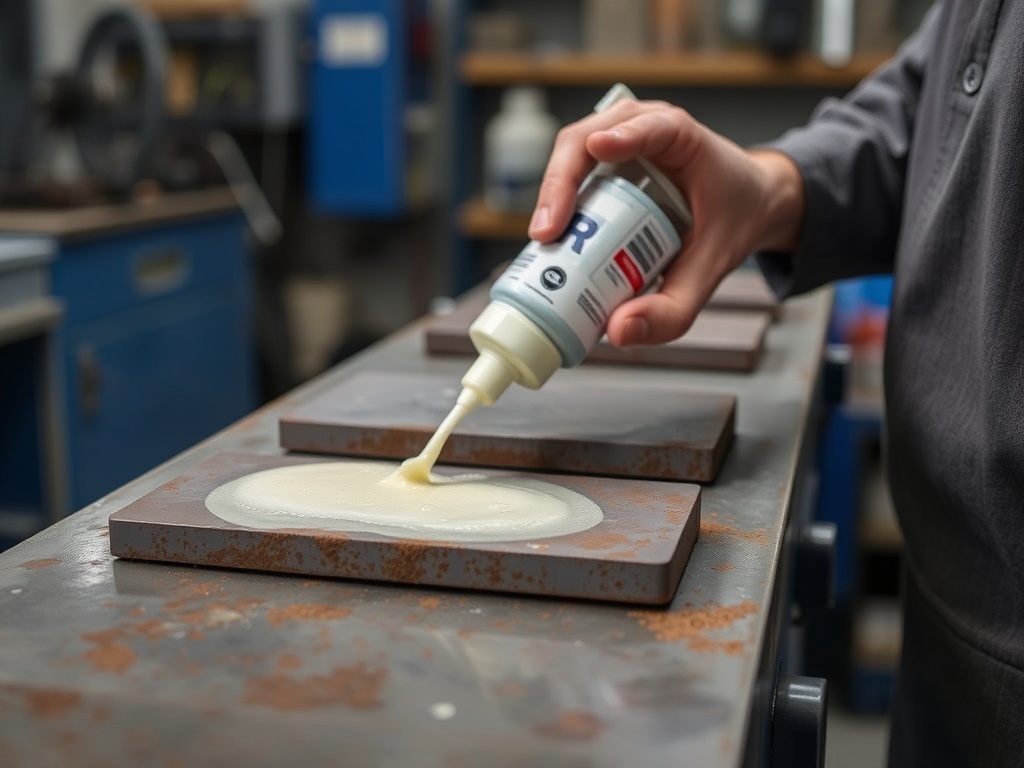
Instead of continuing internal trial-and-error development, the company partnered with FormulationAnalysis.com to analyze leading industrial descaler products already performing well in the U.S. market.
Their goal was not replication.
It was deconstruction of performance logic.
The target questions were:
- What acid system delivers optimal scale removal efficiency?
- What inhibitor chemistry prevents metal attack?
- How is penetration into calcium carbonate scale achieved?
- What surfactant system improves wetting without excessive foaming?
- What concentration ranges define performance thresholds?
Reverse engineering provides structured answers to exactly these questions through laboratory analysis and formulation interpretation.
(Reference: https://formulationanalysis.com/how-it-works/)
Analytical Workflow: Breaking Down a Complex Industrial Cleaner
The project began with two commercially successful industrial descalers widely used in refinery and boiler maintenance applications.
The samples were analyzed using:
- FTIR spectroscopy for functional group identification
- GC-MS for organic additive profiling
- ICP-OES for trace metal and inhibitor-related elements
- Titration analysis for acid strength estimation
- Thermal stability profiling
- Surfactant and wetting system characterization
(Reference: https://formulationanalysis.com/our-services/)
Key Finding #1: Acid System Was Not What They Expected
The company assumed most high-performance descalers relied primarily on hydrochloric acid.
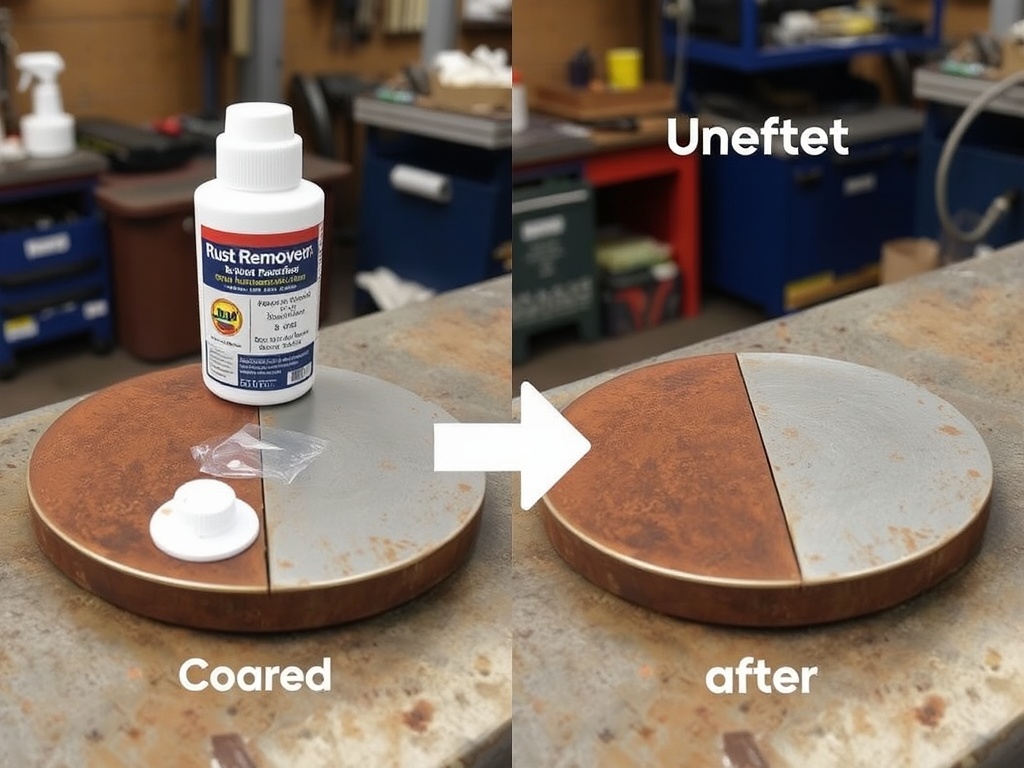
The analysis revealed something more refined:
- A blended acid system combining organic and inorganic acids
- Controlled buffering to extend working contact time
- Reduced free acid activity to minimize corrosion spikes
This explained why some “high-strength” products performed worse in real field conditions.
The real innovation was not acid strength—it was acid control engineering.
Key Finding #2: Corrosion Inhibitor Package Was Multi-Layered
One of the most important discoveries was the inhibitor system architecture.
Instead of a single inhibitor, the benchmark products used:
- Film-forming organic inhibitors
- Surface adsorption modifiers
- Chelation-based protection agents
- Metal-specific protection enhancers for copper and stainless steel
This multi-layer system explained:
- Why corrosion rates remained low even under acidic conditions
- Why performance remained stable across different metals
- Why operators could extend contact time safely
This insight alone fundamentally changed the client’s development strategy.
Key Finding #3: Surfactant System Controlled Penetration Efficiency
Scale removal is not just chemistry—it is surface physics.
The analysis showed that top-performing descalers used:
- Low-foaming wetting agents
- High-penetration surfactant blends
- Controlled hydrotropes to maintain solubility under acidic conditions
This system allowed the formulation to:
- Penetrate dense calcium scale faster
- Maintain contact on vertical surfaces
- Reduce rinsing time after application
From Analytical Data to Pilot Manufacturing
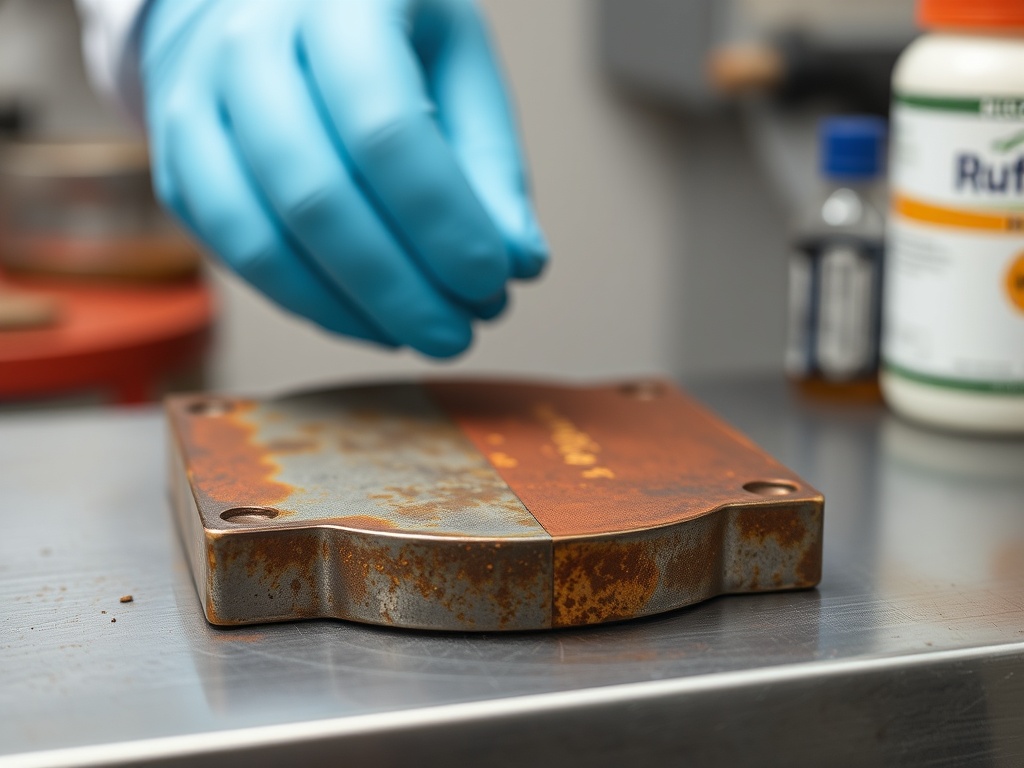
After receiving the full formulation breakdown, the Houston team moved into pilot development.
Using structured guidance similar to the methodology described in
https://formulationanalysis.com/chemical-reverse-engineer/
they rebuilt their product using:
- Optimized acid blend ratios
- Reconstructed inhibitor system architecture
- Surfactant system matching performance behavior
- Adjusted viscosity for spray and circulation systems
The difference compared to previous attempts was significant:
Instead of guessing formulations, they now worked from a performance blueprint.
Pilot Testing in Real Industrial Conditions
The new formulation was tested across three operational environments:
1. Refinery Heat Exchanger Cleaning
- Scale type: calcium carbonate + iron oxide
- Result: 40% faster removal compared to previous internal product
- No visible etching on stainless steel components
2. Food Processing CIP System
- Requirement: low residue and controlled foaming
- Result: stable circulation cleaning with reduced foam collapse issues
- Improved rinse efficiency
3. Boiler Maintenance Shutdown
- Requirement: rapid descaling under time pressure
- Result: reduced cleaning cycle time by approximately 25%
- Improved operator safety due to lower fuming behavior

Commercial Outcome: A New Product Line Is Born
Within five months, the company successfully launched a new product line:
- Industrial acid descaler (fast-action formulation)
- Low-fume maintenance cleaner
- Multi-metal safe descaling solution
These products were positioned for:
- Oil & gas maintenance contractors
- Industrial cleaning service companies
- Food processing facilities
- Municipal water treatment operations
The launch immediately strengthened their competitiveness against national chemical suppliers.
Why Reverse Engineering Works in Industrial Cleaning Chemistry
Industrial cleaning formulations are highly sensitive systems where:
- Small concentration changes create large performance differences
- Inhibitor chemistry determines safety and liability
- Additive synergy defines usability in real field conditions
Reverse engineering allows companies to:
- Identify hidden performance drivers
- Understand inhibitor systems that are not disclosed publicly
- Benchmark against real commercial performance
- Reduce development cycles from years to months
This approach is especially powerful in:
- Acid cleaners
- Descalers
- Degreasers
- Industrial maintenance chemicals
- Lubricant and specialty chemical systems
Reducing Risk in Chemical Product Development
Instead of relying on uncertain formulation cycles, companies can use analytical benchmarking to reduce risk in three key areas:
Technical Risk
Understanding exactly why a product works before scaling production.
Financial Risk
Avoiding repeated failed pilot batches and raw material waste.
Market Risk
Ensuring the final product already matches proven commercial performance standards.
(Reference: https://formulationanalysis.com/what-we-analyze/)
From Concept to Commercial Product Faster
For chemical manufacturers in the U.S., the biggest challenge is not manufacturing capability—it is formulation certainty.
Reverse engineering provides a structured pathway:
- Analyze successful commercial products
- Identify functional chemistry and additive roles
- Reconstruct performance logic
- Optimize cost and raw material sourcing
- Scale to pilot production
- Launch with reduced technical uncertainty
(Reference: https://formulationanalysis.com/our-services/)
Final Takeaway
The Houston case demonstrates a broader trend in industrial chemical manufacturing:
Companies are no longer developing products from scratch in isolation.
Instead, they are:
- Benchmarking real-world performance
- Deconstructing successful formulations
- Rebuilding improved, cost-optimized versions
This is not imitation.
It is accelerated chemical innovation through analytical intelligence.
Contact FormulationAnalysis
If your company is developing or improving:
- Industrial acid cleaners
- Descaling formulations
- Rust removal systems
- Maintenance chemicals
- Lubricant or specialty cleaning products
We help manufacturers move from concept to commercial-ready formulation using advanced reverse engineering and chemical analysis.
FormulationAnalysis.com
https://formulationanalysis.com/
Key services:
- https://formulationanalysis.com/chemical-reverse-engineer/
- https://formulationanalysis.com/our-services/
- https://formulationanalysis.com/how-it-works/
- https://formulationanalysis.com/what-we-analyze/
Contact: info@formulationanalysis.com
Phone: +1 (859) 216-8899