In the high-end automotive detailing world, ceramic coatings represent one of the most profitable and brand-defining products a professional shop can offer. For shops catering to exotic cars, supercars, and luxury vehicles, a reliable, high-performance ceramic coating isn’t just a service add-on—it’s a signature offering that commands premium pricing and builds long-term customer loyalty.
Yet many detailing businesses remain dependent on third-party products that don’t fully align with their workflow or client expectations. This case study explores exactly why a successful Southern California detailing company chose the reverse engineering route, the specific pain points they faced with a popular two-component ceramic coating, and how professional formulation analysis and optimization allowed them to develop, manufacture, and successfully launch their own branded product in record time.
The Booming U.S. Ceramic Coating Market and Opportunities for Independent Detailers
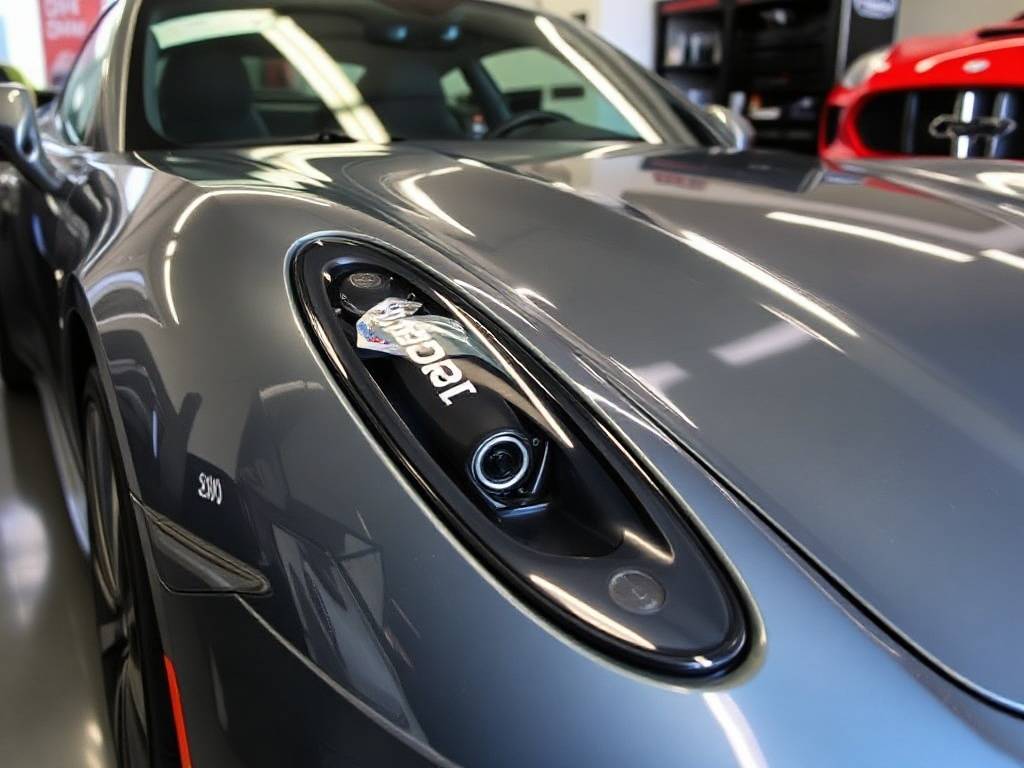
The automotive ceramic coating segment has exploded in popularity over the past decade. Vehicle owners increasingly seek long-lasting hydrophobicity, UV protection, chemical resistance, and that deep, wet-look gloss that makes luxury paint pop. Professional-grade coatings can retail for hundreds of dollars per kit and command service fees of $1,500 to $5,000+ per vehicle, depending on the car and package.
For detailing shops, offering a proprietary coating creates multiple advantages: higher margins, better control over application performance, unique marketing stories, and the ability to bundle with other services. However, entering this premium segment traditionally requires significant investment in R&D, which many independent operators simply cannot afford.
This is where chemical reverse engineering provides a strategic shortcut—delivering proven chemistry as a foundation while allowing targeted improvements tailored to real-world shop needs.
Meet the Client: Apex Luxury Detailing in Irvine, California
Irvine and the surrounding Orange County area serve as a hub for high-end automotive enthusiasts in Southern California. With proximity to Los Angeles, Newport Beach, and a concentration of luxury dealerships and collectors, it’s an ideal location for premium detailing businesses.
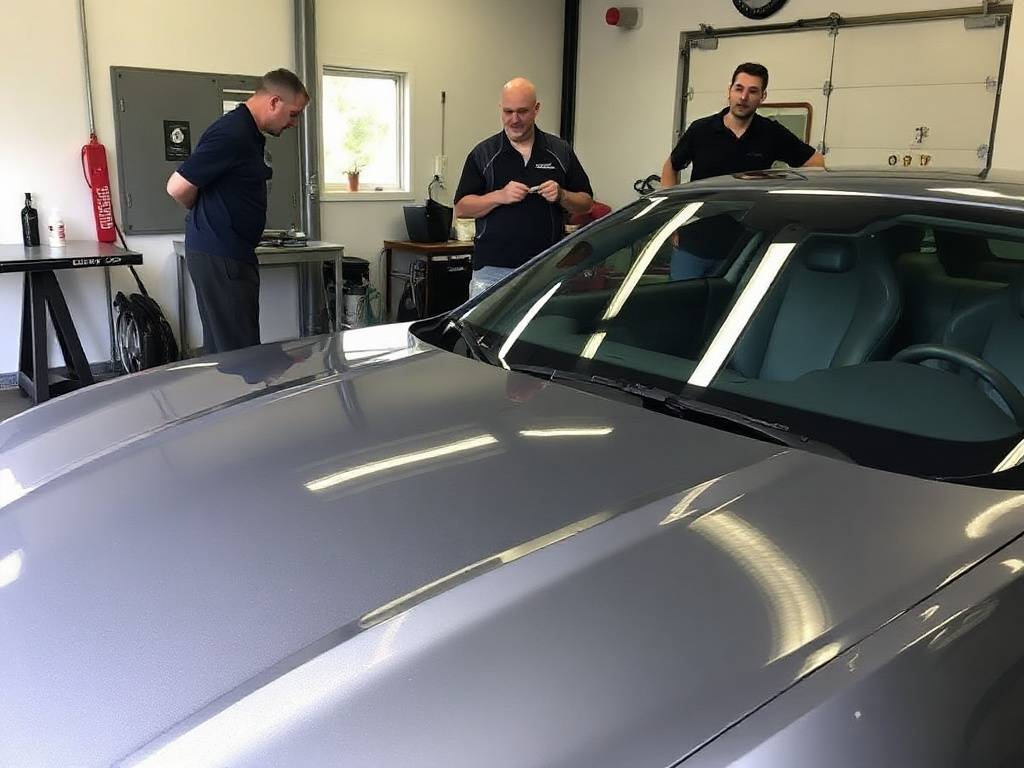
Apex Luxury Detailing had built a strong reputation over 12 years specializing in exotic and luxury vehicles—Lamborghinis, Ferraris, Rolls-Royces, and high-end Porsches. Their clients demanded flawless results that lasted 2–5 years or more. The shop offered full paint correction, ceramic coating application, and maintenance packages.
Like many professional detailers, they relied on a well-known national brand’s two-part ceramic coating system. It delivered solid results, but operational frustrations mounted over time. The owner, a master detailer with years of hands-on experience, decided it was time for change.
The Real-World Problems: Why the Existing Product Was Holding Them Back
The popular two-component ceramic coating they used had several critical limitations in a busy professional environment:
Extremely Short Working Time: Once the two parts were mixed, the formula began curing rapidly. Installers had only 10–15 minutes of workable time before viscosity increased dramatically. This created immense pressure during application on large vehicles or complex surfaces, increasing the risk of uneven coverage, high spots, or rework.
Application Sensitivity: The fast cure made it unforgiving in Southern California’s variable temperatures and humidity. On warmer days, working time shrank even further, leading to wasted product and frustrated technicians.
Limited Flexibility for Custom Work: Clients often requested specific performance tweaks—stronger hydrophobicity for coastal salt air, enhanced gloss for show cars, or better UV protection for vehicles stored outdoors. The off-the-shelf product didn’t allow easy modifications.
Supply and Cost Issues: Dependence on the supplier meant fluctuating availability, minimum order quantities, and pricing that ate into margins. During peak seasons, delays in shipments disrupted scheduling.
Branding Limitations: Using someone else’s product meant they couldn’t fully control the narrative or build equity in their own name. Clients asked about the coating brand more than the shop’s expertise.
These issues weren’t unique to Apex. Many professional detailing operations face similar constraints when scaling services around proprietary third-party chemistries.
The owner calculated that developing a custom formula from scratch could take 18–36 months and cost well over $100,000 in trials, testing, and failures. That wasn’t feasible. Instead, they turned to Formulation Analysis for a smarter path.
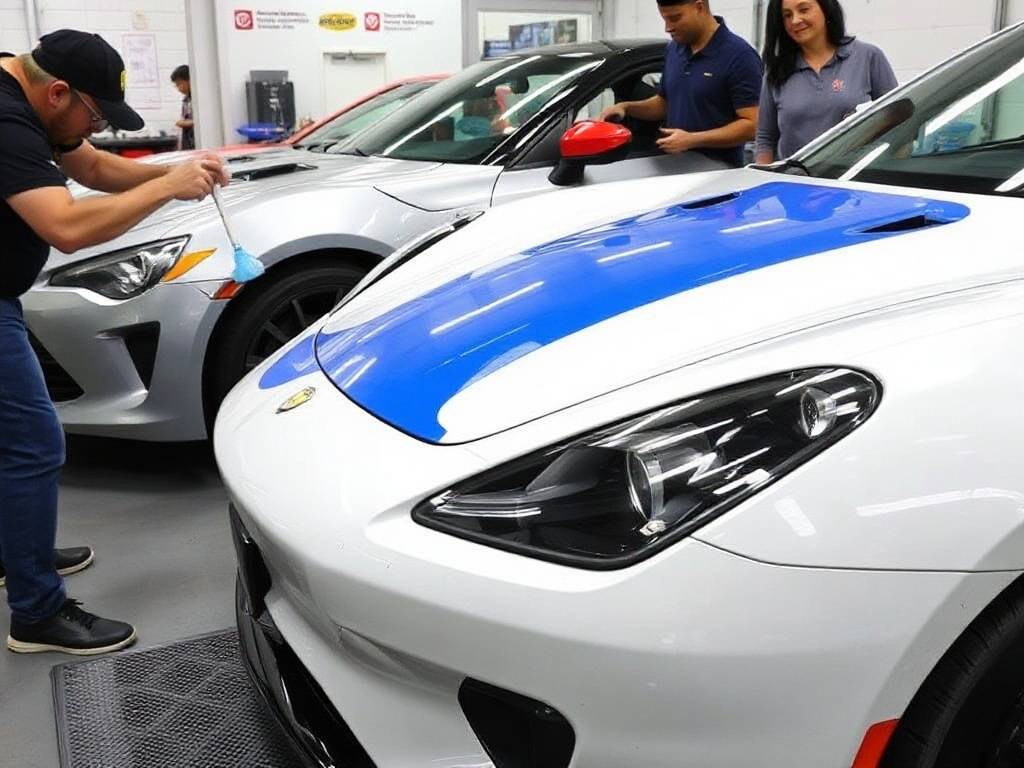
Understanding Ceramic Coatings: The Chemistry Behind the Performance
Ceramic coatings are typically based on silane and siloxane chemistry, often incorporating SiO₂ (silicon dioxide) or other nano-scale inorganic particles suspended in a solvent or carrier system. Key performance drivers include:
- Polysiloxane Networks: Form the durable, glass-like protective layer.
- Catalysts and Cross-Linkers: Control cure speed and final hardness.
- Solvents and Carriers: Influence application ease, flash-off time, and VOC compliance.
- Additives: UV stabilizers, hydrophobicity enhancers, leveling agents, and gloss improvers.
In two-part systems, Part A usually contains the reactive resins, while Part B includes the catalyst. Balancing these components is critical: too aggressive a catalyst and you get the short working time problem; too mild and cure times extend unacceptably for professional use.
The Reverse Engineering Process: From Competitor Sample to Actionable Blueprint
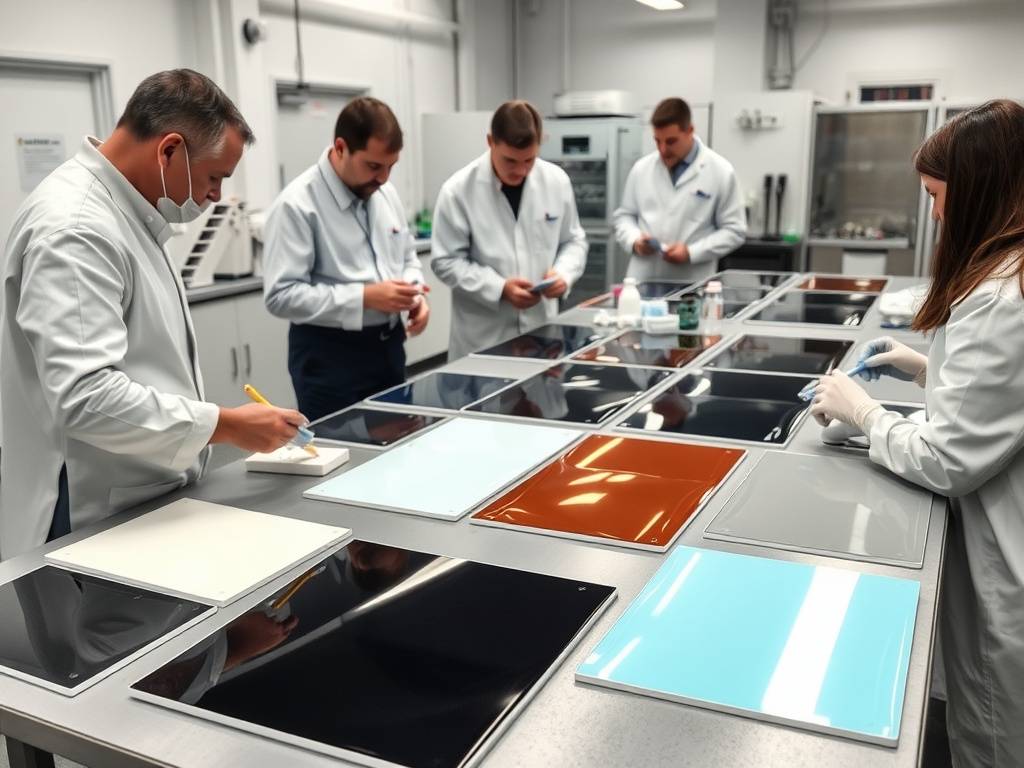
Apex provided samples of the problematic commercial coating along with detailed feedback on performance shortcomings. Our laboratory team initiated a full deformulation and benchmarking analysis.
Using advanced instrumentation such as:
- FTIR and NMR for polymer backbone identification
- GC-MS and HPLC for solvent and additive profiling
- Quantitative analysis for component ratios
We delivered a comprehensive report within the standard 15–20 business days. The analysis revealed the exact functional ingredients, approximate percentages, and key interactions driving both the strengths and the limitations of the original formula.
This wasn’t a simple copy. It was deep intelligence that allowed precise, data-driven modifications.
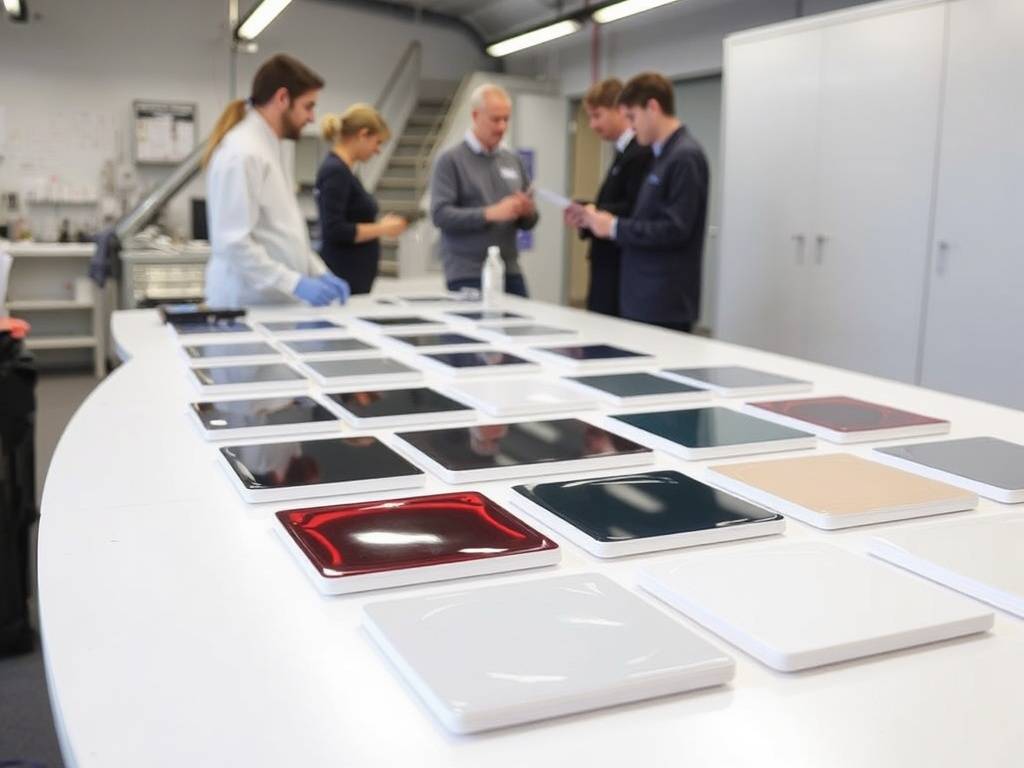
Phase-by-Phase: Turning Analysis into a Superior Proprietary Formula
Phase 1: Detailed Benchmarking and Gap Analysis We mapped the competitor’s chemistry against real-world application data from Apex. This highlighted exactly where the fast-cure issue originated (specific catalyst package and solvent evaporation profile).
Phase 2: Targeted Optimization Working closely with Apex’s lead detailer, we adjusted several parameters:
- Modified the catalyst system for extended working time (targeting 25–40 minutes depending on conditions) while maintaining full cure within 24–48 hours.
- Enhanced hydrophobicity through optimized siloxane blends and surface energy modifiers.
- Improved leveling and anti-high-spot properties for easier application on vertical surfaces.
- Reduced overall VOC content to better meet California regulations.
- Incorporated UV absorbers and gloss-enhancing agents tailored to luxury paint types.
The result was a two-part system that addressed the original pain points without sacrificing durability or performance.
Phase 3: Performance Validation and Stability Testing We conducted accelerated aging, environmental chamber testing, and real-vehicle application trials. The new formula demonstrated superior ease of use, excellent water beading (contact angles >110°), and strong resistance to chemicals, bird droppings, and UV degradation.
Phase 4: Regulatory and Manufacturing Preparation Our team provided full documentation for SDS creation, ingredient disclosure, and compliance with EPA/TSCA and California-specific requirements. We also supplied detailed mixing instructions, application guidelines, and raw material specifications suitable for contract manufacturers.
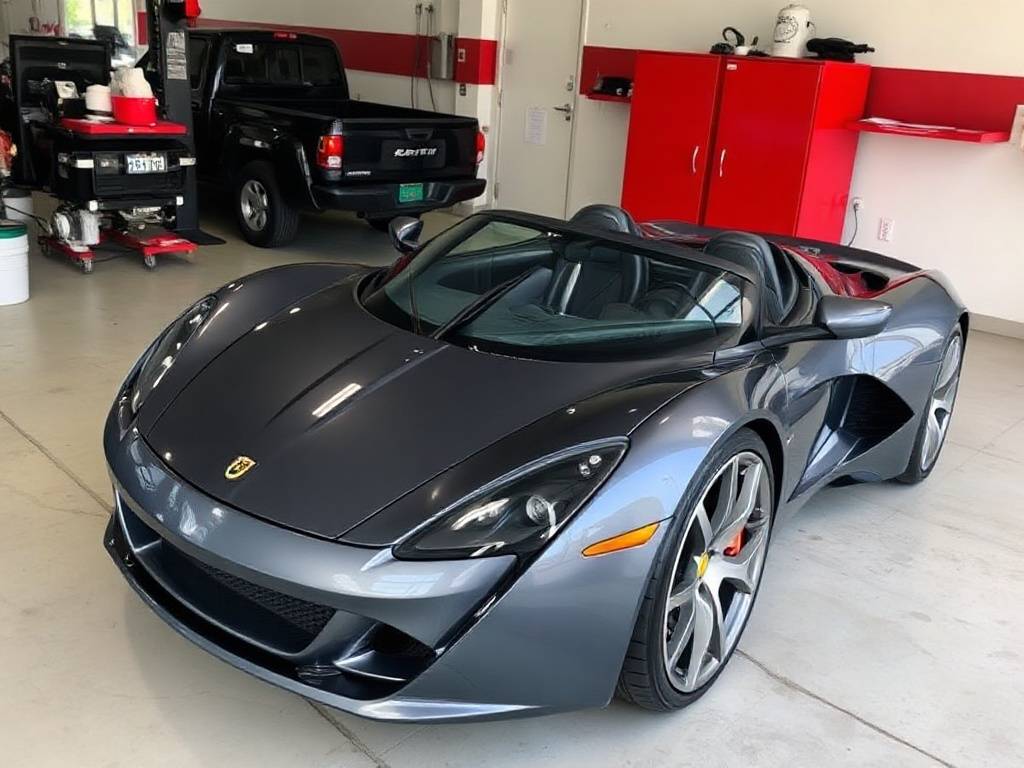
Overcoming Common Obstacles Faced by Detailing Businesses
Many luxury detailing shops hesitate to develop their own products due to:
- Technical Complexity: Ceramic chemistry is notoriously tricky for non-chemists.
- Time Constraints: Running a busy shop leaves little bandwidth for R&D.
- Financial Risk: Failed batches or poor-performing products damage reputation.
- Scaling Challenges: Moving from small batches to consistent commercial production.
By starting with reverse-engineered intelligence, Apex avoided these pitfalls. The project moved from initial consultation to production-ready formula in under 7 months—dramatically faster and cheaper than traditional development.
Transition to Contract Manufacturing and Private Label Production
With a robust formula package in hand, Apex approached contract manufacturers specializing in specialty coatings in the Midwest and California. The detailed analytical data and performance specifications made negotiations professional and efficient. One partner in the Great Lakes region, experienced with silane-based products, took on initial production.
First batches underwent rigorous QC testing, confirming consistency and performance matching (or exceeding) the benchmark. Apex invested in custom labeling and packaging that emphasized their shop’s expertise and the product’s California-developed, professional-grade heritage.
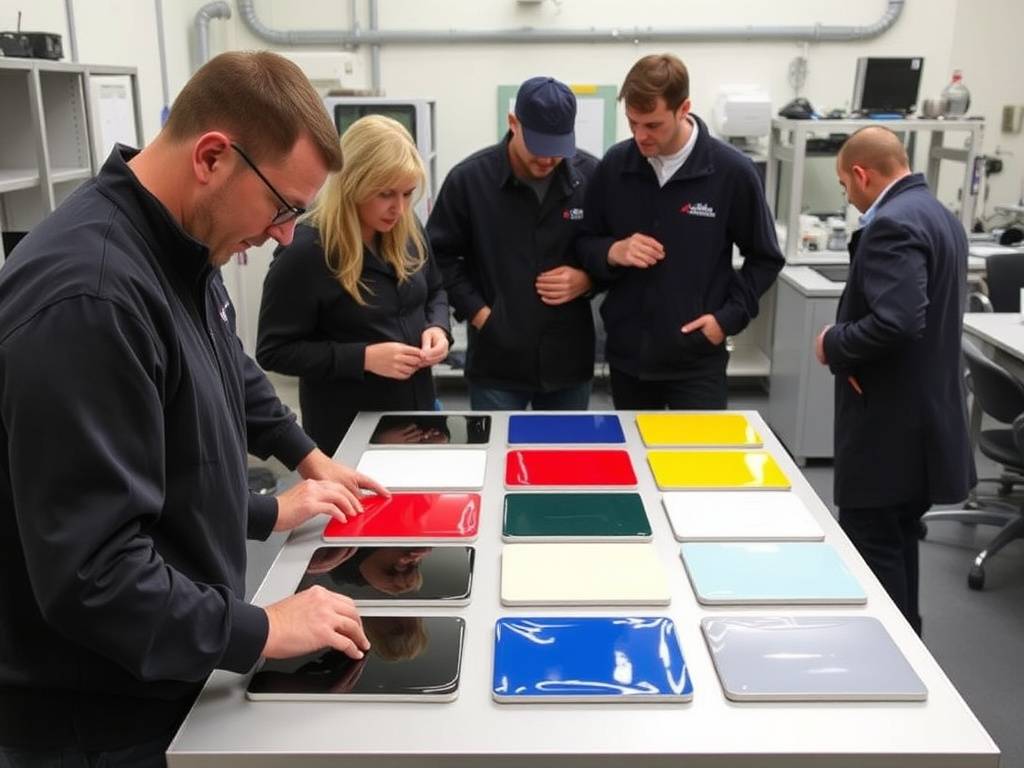
Successful Market Launch and Business Impact
Apex launched “ApexShield Pro Ceramic Coating” as a premium offering. They positioned it as “Engineered for Southern California Conditions by Master Detailers.”
Results included:
- Extended working time transformed application efficiency and reduced technician stress.
- Stronger client satisfaction and repeat business due to superior longevity.
- Higher per-vehicle revenue from proprietary product sales and service bundles.
- New revenue stream through online sales of maintenance kits and consumer versions.
- Enhanced brand authority—clients now associate Apex with innovation, not just application.
Within the first year, the product contributed significantly to bottom-line growth while differentiating them from competitors still reliant on generic coatings.
Why Reverse Engineering + Optimization Is the Smartest Path for Premium Car Care Products
This case demonstrates the power of a benchmarking-driven approach for automotive professionals:
- Shortest Time to Market: Leverage proven chemistry instead of reinventing the wheel.
- Lowest Development Costs: Minimize wasted prototypes and raw materials.
- Reduced Risk: Launch with confidence based on real analytical data and validated performance.
- True Differentiation: Improve on the original where it matters most to your business.
- Scalability and Control: Own your formula, supply chain, and brand story.
For detailing shops, auto spas, or distributors looking to enter the ceramic coating space, this methodology removes many traditional barriers.
Key Takeaways for Luxury Detailing Businesses and Automotive Entrepreneurs
- Identify Real Pain Points: Document application and performance issues with current products—they become your optimization targets.
- Benchmark Strategically: Analyze market leaders to understand what works and where improvements are possible.
- Partner with Experts: Collaborate with labs that understand both the science and practical professional use cases.
- Plan for Production Early: Ensure the formula package includes scale-up parameters from day one.
- Think Long-Term: A successful coating launch can anchor an entire private label line (quick detailers, spray sealants, maintenance products, etc.).
Expanding Your Car Care Portfolio Beyond One Product
Once you have one successful formulation, opportunities multiply. Many clients expand into complementary products such as SiO₂ spray sealants, tire dressings, interior protectants, or glass cleaners. Each new product benefits from shared supply chain efficiencies and brand synergy.
Ready to Develop or Improve Your Own Ceramic Coating or Car Care Line?
At Formulation Analysis, we specialize in helping detailing professionals, auto care brands, and small manufacturers turn competitive intelligence into proprietary success. Our services include full reverse engineering, performance benchmarking, formula optimization, stability support, and guidance through contract manufacturing.
Whether you’re struggling with a specific coating’s working time, durability, or cost structure—or starting fresh—we provide the precise chemical insights you need.
Contact Us for a Confidential Consultation
Phone: +1 (859) 216-8899 Email: info@formulationanalysis.com Website: www.formulationanalysis.com
Our team typically responds within 24 hours with tailored project guidance. Share details about your current product challenges or goals, and we’ll outline a clear path forward.
Additional Resources for Automotive Professionals:
- Car Care Reverse Engineering Services
- Automotive Chemical & Surface Protection Analysis
- What Is the Reverse Engineering Process?
- How U.S. SMEs Reduce Chemical R&D Costs
- Why Optimize After Reverse Engineering
- Launch Chemical Products Without a Full Lab