In the fiercely competitive U.S. automotive aftermarket, launching your own branded product line can feel like navigating a minefield of formulation challenges, regulatory hurdles, and high development costs. For many small-to-medium automotive supplies companies, the dream of moving from distributor to manufacturer often stalls at the chemistry stage.
This is the story of how one Detroit-based company turned that dream into reality. By leveraging professional chemical reverse engineering and formulation analysis, they developed, optimized, and successfully launched their own streak-free automotive glass cleaner—complete with advanced anti-fog and anti-static properties—while dramatically reducing time, cost, and risk.
The Market Opportunity: Why Automotive Glass Cleaners Remain a High-Volume Staple
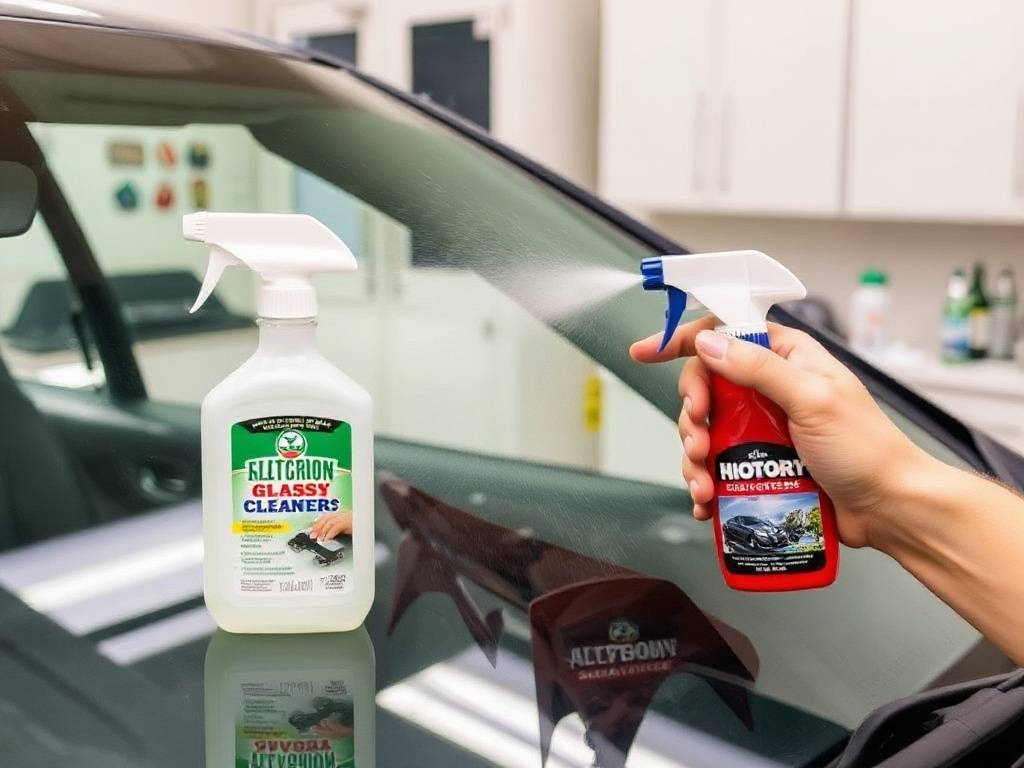
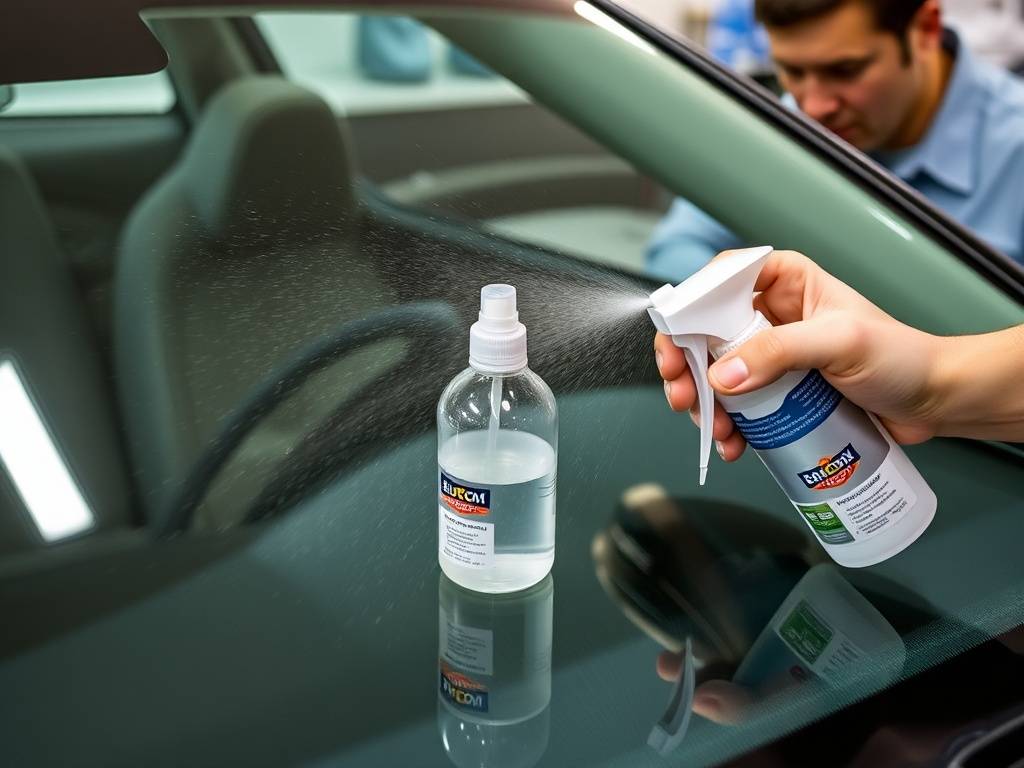
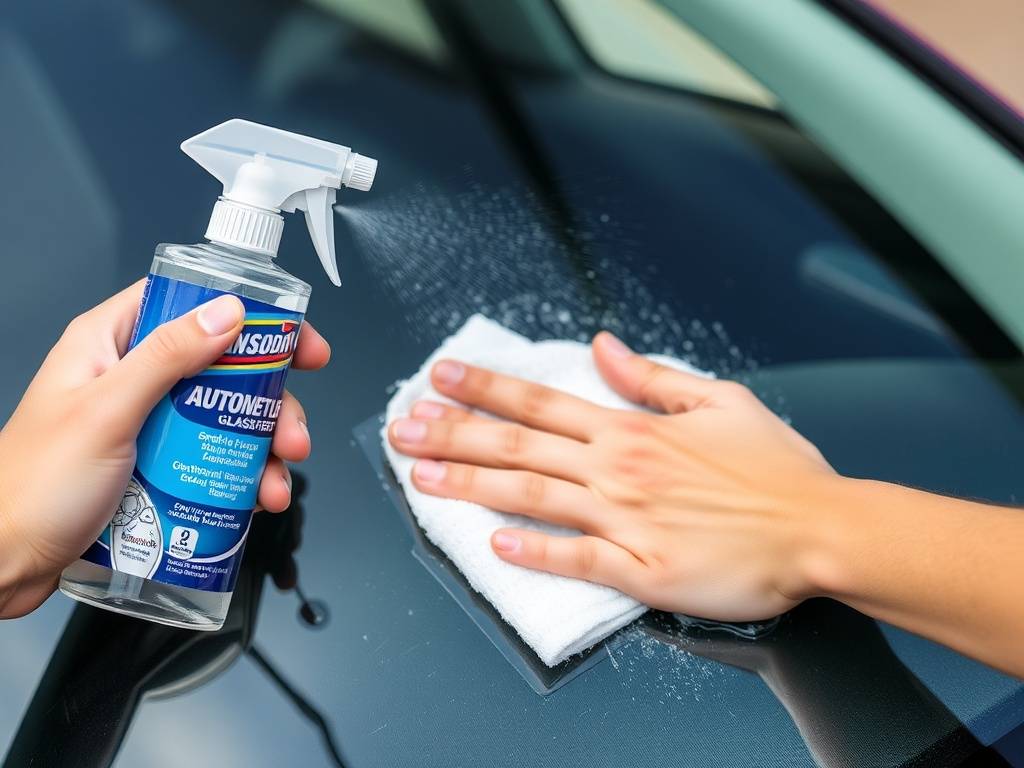
Automotive glass cleaners are a consistent best-seller in car care aisles across America. Professional detailers, fleet operators, and everyday consumers all demand the same core performance: crystal-clear visibility, streak-free results, and fast drying. Modern formulations go further, incorporating anti-fog agents for humid conditions and anti-static properties to repel dust and reduce re-soiling.
According to industry trends, the U.S. car care market continues to grow steadily, with glass care products representing a reliable, high-turnover category. For companies already distributing tools, polishes, and accessories, adding a proprietary glass cleaner creates strong brand synergy and higher margins than reselling third-party products.
Yet many companies hesitate. Developing a new chemical formulation from scratch can take 12–24 months and cost tens of thousands in raw material trials, stability testing, and failed batches. This is where reverse engineering changes the game.
Meet the Client: MotorGuard Auto Supplies in Detroit, Michigan
Detroit remains America’s automotive heartland. Home to major OEM suppliers, innovation hubs, and a deep talent pool of engineers and technicians, it’s the perfect location for an ambitious aftermarket company.
MotorGuard Auto Supplies had been successfully distributing imported and domestic car care products for over 15 years. Their customers—independent auto shops, detailing businesses, and big-box retailers—frequently asked for a reliable, American-branded glass cleaner that wouldn’t leave residue on modern tinted windows or advanced driver-assistance system (ADAS) cameras.
The owner, a second-generation automotive entrepreneur, saw the opportunity but faced real obstacles:
- No in-house R&D lab or formulation chemist on staff.
- High development risk — previous attempts at private labeling had quality inconsistencies.
- Tight margins on existing supplier products, limiting branding control and profitability.
- Regulatory pressure — needing compliance with EPA, TSCA, and California VOC standards for nationwide distribution.
- Supply chain volatility — dependence on overseas manufacturers created delays and quality variability.
They needed a smarter, faster path to product ownership.
The Challenges: Why Traditional Formulation Development Often Fails for SMEs
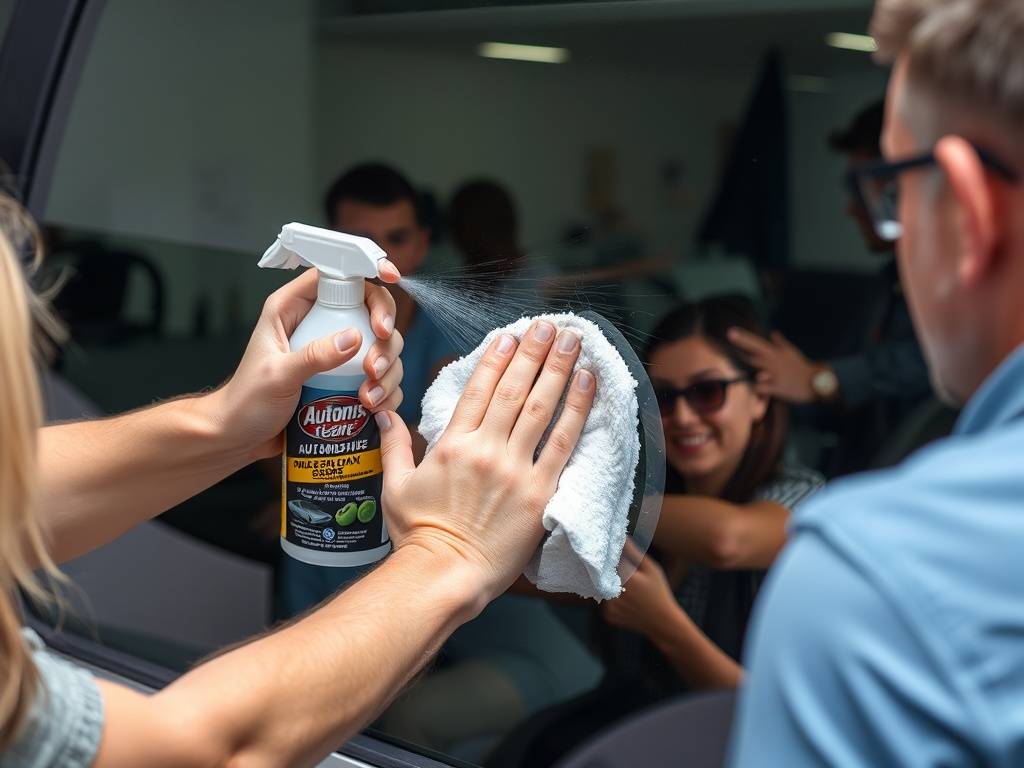
Many automotive supplies companies underestimate the complexity of creating a high-performance glass cleaner. Key technical hurdles include:
Solvent System Balance: Achieving fast evaporation without compromising streak-free performance requires precise blends of alcohols, glycols, and water. Too much of one solvent and you get haze; too little and drying time suffers.
Surfactant Selection and Synergy: Non-ionic and amphoteric surfactants must deliver superior wetting and soil suspension while remaining compatible across pH levels and temperatures.
Additive Integration: Modern anti-fog and anti-static agents (often silicone-free polymers or quaternary compounds) must integrate without reducing clarity or causing long-term residue buildup on glass.
Stability and Shelf Life: Formulations must withstand freeze-thaw cycles, high heat in warehouses, and remain effective for 24+ months.
Cost Efficiency at Scale: Raw material costs must allow competitive retail pricing while maintaining healthy distributor margins.
Regulatory Compliance: Meeting varying state VOC limits and providing accurate Safety Data Sheets (SDS) is non-negotiable.
MotorGuard tried working with a contract formulator initially, but after three rounds of prototypes and mounting costs, performance still fell short of leading national brands in blind testing. They were burning time and money with limited progress.
The Solution: Professional Reverse Engineering and Formulation Analysis
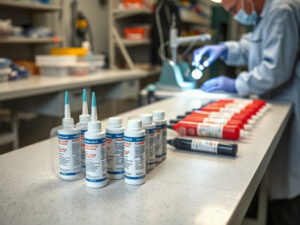
That’s when they contacted Formulation Analysis. Our team specializes in chemical deformulation for automotive care products, including glass cleaners, detailing sprays, and surface protectants.
The process began with competitive benchmarking. MotorGuard provided samples of three top-selling automotive glass cleaners available in major U.S. retailers. Our lab used a multi-instrument approach:
- GC-MS for volatile solvent identification and quantification.
- HPLC for surfactant and additive profiling.
- FTIR for polymer and functional group analysis.
- Additional techniques for trace elements and performance-related components.
Within 15-20 business days, we delivered a comprehensive report breaking down the “gold standard” chemistry behind market leaders. This wasn’t guesswork—it was precise, production-ready data.
Step-by-Step: From Deformulation to Optimized Proprietary Formula
Phase 1: Benchmarking and Intelligence Gathering We identified the exact solvent ratios, surfactant packages, and functional additives that delivered superior performance. This gave MotorGuard a proven baseline rather than starting from zero.
Phase 2: Customization and Optimization Using the benchmark data, our formulation experts worked with MotorGuard to create a differentiated version. Key improvements included:
- Enhanced anti-fog performance for vehicles with advanced safety systems.
- Lower VOC profile to meet stringent California and national standards.
- Cost-optimized ingredients without sacrificing clarity or drying speed.
- Proprietary scent profile and packaging suggestions for strong brand identity.
This optimization phase is critical. As we often advise clients, simply copying a formula rarely wins in the long term—you must innovate around the benchmark.
Phase 3: Stability Testing and Validation We supported accelerated stability testing, pH optimization, and real-world performance validation on various glass types, including ceramic-coated and hydrophobic surfaces.
Phase 4: Regulatory and Manufacturing Readiness Our team provided guidance on:
- Accurate ingredient listing and SDS preparation.
- Raw material sourcing from reliable U.S. suppliers.
- Scale-up parameters for consistent batch production.
Overcoming Objective Problems Through Expert Partnership
MotorGuard faced several specific roadblocks that our service directly addressed:
- Lack of Technical Expertise: Without a full R&D team, they couldn’t decipher why certain formulations streaked under high humidity. Our detailed analytical reports and expert consultations filled this knowledge gap immediately.
- Time Pressure: The owner wanted to launch before the busy spring detailing season. Reverse engineering compressed what would have been an 18-month process into under 8 months total.
- Budget Constraints: Traditional R&D was draining resources. By starting from proven chemistry, they reduced raw material waste and prototype iterations dramatically—saving an estimated 60-70% on development costs.
- Performance Risk: Previous prototypes failed in customer trials. Benchmark-driven development gave them confidence that the final product would outperform or match competitors from day one.
- Manufacturing Transition: Moving from formula to contract manufacturer can be tricky. We provided production-ready specifications, mixing instructions, and supplier recommendations that made the handoff smooth.
From Lab to Production: Securing Contract Manufacturing
Armed with the optimized formula and supporting documentation, MotorGuard approached contract manufacturers in the Midwest. The clear, detailed formulation package made negotiations straightforward. One Ohio-based facility specializing in automotive chemicals was particularly impressed with the stability data and agreed to initial production runs.
The first commercial batch was produced within weeks of final approval. Quality control testing confirmed the product met all performance targets: streak-free on glass, rapid evaporation, excellent anti-fog properties, and strong anti-static effect that kept windshields cleaner longer.
Market Launch and Early Success
MotorGuard launched their new product, “CrystalGuard Pro Automotive Glass Cleaner,” under their private brand. Packaging featured bold Detroit-inspired design, clear performance claims, and professional labeling that appealed to both retail and B2B customers.
Distribution channels included:
- Their existing network of auto shops and detailers.
- Online marketplaces.
- Regional big-box automotive retailers.
Early feedback has been outstanding. Detailers reported faster cleaning times and better results on modern vehicle glass compared to their previous go-to brand. Fleet operators appreciated the anti-static benefit, which reduced windshield wiper usage and improved safety.
The company achieved positive margins from the first production run, thanks to optimized ingredient costs and strong perceived value. They now control their own brand story, pricing, and future product line extensions (such as interior cleaners or ceramic boosts).
Why Reverse Engineering Delivers the Fastest, Lowest-Risk Path for Automotive Product Development
This case perfectly illustrates the advantages of a benchmarking-driven approach for U.S. automotive supplies companies:
- Shortest Time to Market: Bypass years of trial-and-error by starting with proven chemistry.
- Lowest Development Cost: Dramatically cut R&D spending on failed prototypes and expensive lab time.
- Reduced Risk: Launch with confidence in performance, stability, and regulatory compliance.
- True Product Differentiation: Use the benchmark as a foundation, then optimize for your specific market positioning and cost targets.
- Scalability: Receive production-ready data that contract manufacturers respect and can execute reliably.
Many of our clients in industrial cleaners, coatings, and car care report similar transformations. Whether you’re in Detroit, Houston, Chicago, or anywhere across the U.S., the principles remain the same.
Key Lessons for Automotive Supplies Companies Considering Private Label or New Product Development
If you’re an automotive distributor, retailer, or manufacturer thinking about launching your own chemical products, consider these takeaways:
- Don’t start from scratch unless you have deep formulation expertise and substantial capital.
- Benchmark first — understand exactly what’s working in the market today.
- Partner with specialists who understand both the analytical science and the practical realities of contract manufacturing.
- Plan for optimization — the real competitive edge comes from smart improvements, not exact copies.
- Think beyond one product — a successful glass cleaner launch often opens doors to complementary items in your line.
Ready to Develop Your Own Automotive Care Products?
At Formulation Analysis, we help companies like MotorGuard every day. Our services cover everything from initial competitive benchmarking and reverse engineering to formulation optimization, stability support, and manufacturing guidance.
Whether you want to analyze glass cleaners, tire dressings, ceramic coatings, spray waxes, or other car care formulations, our PhD-led team delivers the precise data and expert support you need to move forward with confidence.
We serve clients across the United States with complete confidentiality and a focus on actionable, production-ready results.
Contact Us Today for a Free Consultation
Phone: +1 (859) 216-8899 Email: info@formulationanalysis.com Website: www.formulationanalysis.com Shipping Address: Hebron, KY (serving clients nationwide)
Submit your project details through our contact form and our technical team will respond within 24 hours with initial guidance tailored to your goals.
Don’t let formulation challenges hold back your brand growth. Whether you’re in Detroit’s automotive ecosystem or building a national presence from another hub, the path from idea to profitable product is clearer than you think—when you have the right chemical intelligence behind you.
This case study is based on a composite of real client projects while protecting confidentiality. All referenced products were lawfully obtained commercial samples. Reverse engineering for competitive benchmarking and innovation is a standard, legal practice in the United States when conducted properly.
Related Resources for Automotive Product Developers: