The Hidden Cost of “It Worked in the Lab”
For many U.S. small and mid-sized manufacturers, developing or sourcing an industrial cleaning formulation seems straightforward—until scale-up.
A formula that performs perfectly in a 2-liter beaker suddenly fails in a 2,000-gallon reactor.
- Foam behavior changes
- Cleaning efficiency drops
- Stability collapses within weeks
- Costs quietly increase
This is not bad luck. It’s a predictable failure pattern.
And more importantly—it’s preventable.
The Real Problem: Scale-Up Is Not Linear
Most companies assume formulation performance scales proportionally with volume.
It doesn’t.
When you move from lab to production, three critical variables change dramatically:
1. Mixing & Shear Conditions
In lab-scale mixing:
- Uniform shear
- Controlled energy input
- Fast homogenization
In industrial tanks:
- Non-uniform shear zones
- Dead zones with poor mixing
- Air entrainment and foam instability
Result: emulsion breakdown, inconsistent surfactant distribution
Even slight changes in shear can destabilize surfactant systems and alter foam and viscosity behavior .
2. Emulsification Instability
At lab scale, emulsions look perfect.
At production scale:
- Droplet size increases
- Emulsifier distribution becomes uneven
- Phase separation begins
Large droplets are more likely to coalesce, leading to visible separation and performance loss .
In industrial cleaning products, this directly impacts:
- Oil removal efficiency
- Surface wetting
- Residue formation
3. pH Drift and Chemical Imbalance
pH is one of the most overlooked failure points.
During scale-up:
- CO₂ absorption shifts acidity
- Temperature gradients change equilibrium
- Poor mixing creates local pH pockets
This leads to:
- Surfactant deactivation
- Corrosion risk changes
- Reduced cleaning performance
pH drift is a well-documented cause of batch rejection in surfactant systems .
4. Raw Material Substitution Risk
Many U.S. manufacturers attempt cost reduction by replacing raw materials.
Without full formulation knowledge:
- Surfactant compatibility breaks
- HLB balance shifts
- Foam behavior becomes unpredictable
For example:
- Mixing incompatible surfactants can cause precipitation or performance loss
- Hard water ions can destabilize formulations and reduce effectiveness
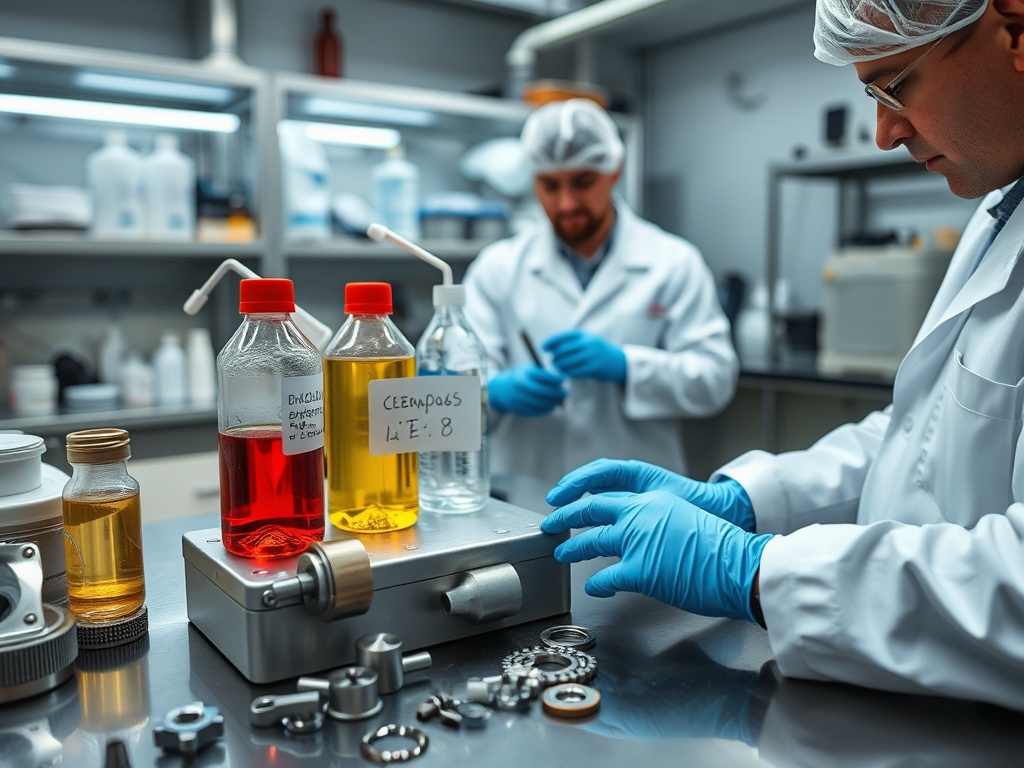
Case Scenario: A U.S. Manufacturer Stuck With a “Black Box” Formula
A mid-sized industrial cleaning company approached us with a common problem:
“We’re importing a degreaser. It works—but it’s too expensive.
We tried to replicate it, but performance dropped.”
Their challenges:
- No access to original formulation
- Multiple failed internal trials
- Rising raw material costs
- Delayed product launch
They were trapped in trial-and-error R&D.
The Turning Point: Reverse Engineering Analysis
Instead of guessing, we applied systematic formulation analysis.
At formulationanalysis.com, the process focuses on:
Step 1: Full Composition Identification
We break down the product into:
- Surfactant types (anionic, nonionic, amphoteric)
- Solvents and builders
- Chelating agents
- Additives and stabilizers
Each component is identified and quantified—typically to ±0.1% accuracy.
Step 2: Functional Role Mapping
Every ingredient is assigned a function:
- Cleaning power
- Foam control
- Stability
- Water hardness tolerance
- Corrosion inhibition
This transforms a “black box” into an engineering blueprint.
Step 3: Performance Benchmarking
We compare:
- Cleaning efficiency
- Foam profile
- Stability over time
- Cost per unit
Against the original product.
Step 4: Optimization for Scale-Up
This is where most labs fail—and where analysis creates real value.
We adjust:
- Surfactant ratios for industrial shear conditions
- Emulsifier systems for large-batch stability
- Buffer systems to control pH drift
- Raw materials for U.S. availability and cost
The Result: From Guesswork to Controlled Manufacturing
After applying reverse engineering and optimization:
Before:
- 4 failed formulations
- Inconsistent cleaning performance
- High cost structure
- No scalability
After:
- Stable formulation at production scale
- Matching (and slightly exceeding) cleaning performance
- 18% cost reduction
- Ready for commercial manufacturing
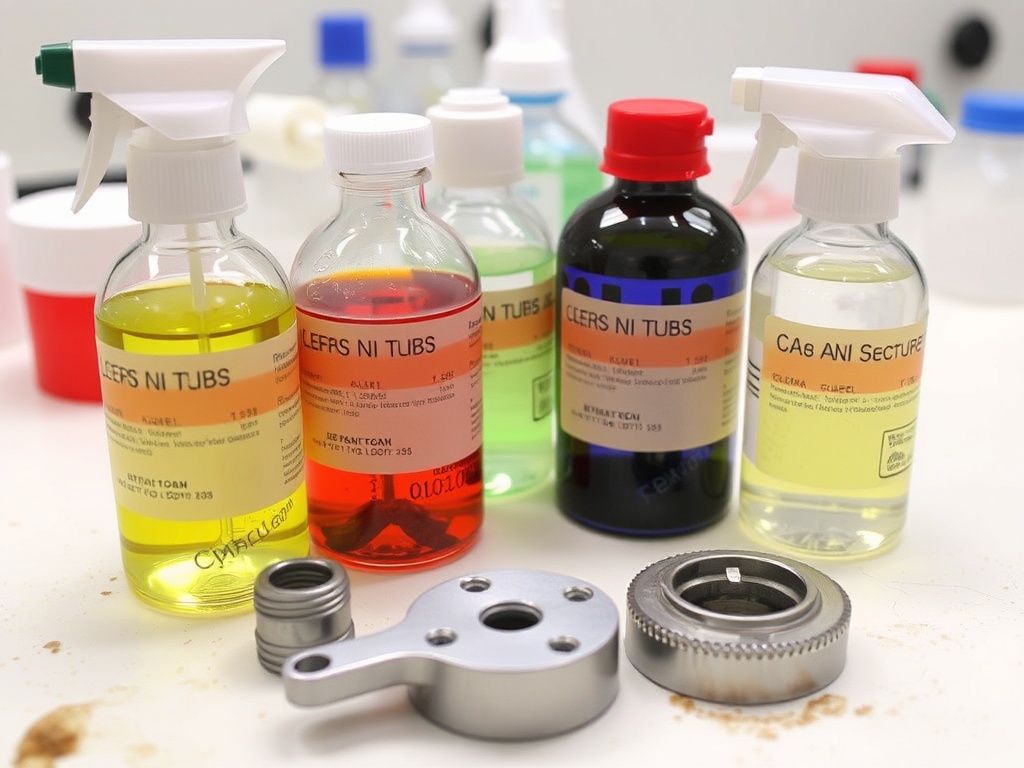
Why Reverse Engineering Works (When Trial-and-Error Fails)
Trial-and-error fails because:
- You don’t know what’s missing
- You don’t know what’s critical
- You don’t know what’s interacting
Reverse engineering solves all three.
It gives you:
1. Precision
No guessing—only measurable data.
2. Speed
Skip months of failed experiments.
3. Cost Control
Optimize formulations based on real composition—not assumptions.
The Business Impact for U.S. Manufacturers
For small and mid-sized companies, the implications are significant:
Faster Time to Market
Launch in weeks—not months.
Reduced R&D Spend
Avoid repeated failed batches and wasted raw materials.
Supply Chain Independence
Stop relying on expensive imported products.
Competitive Advantage
Match or outperform leading brands—at lower cost.
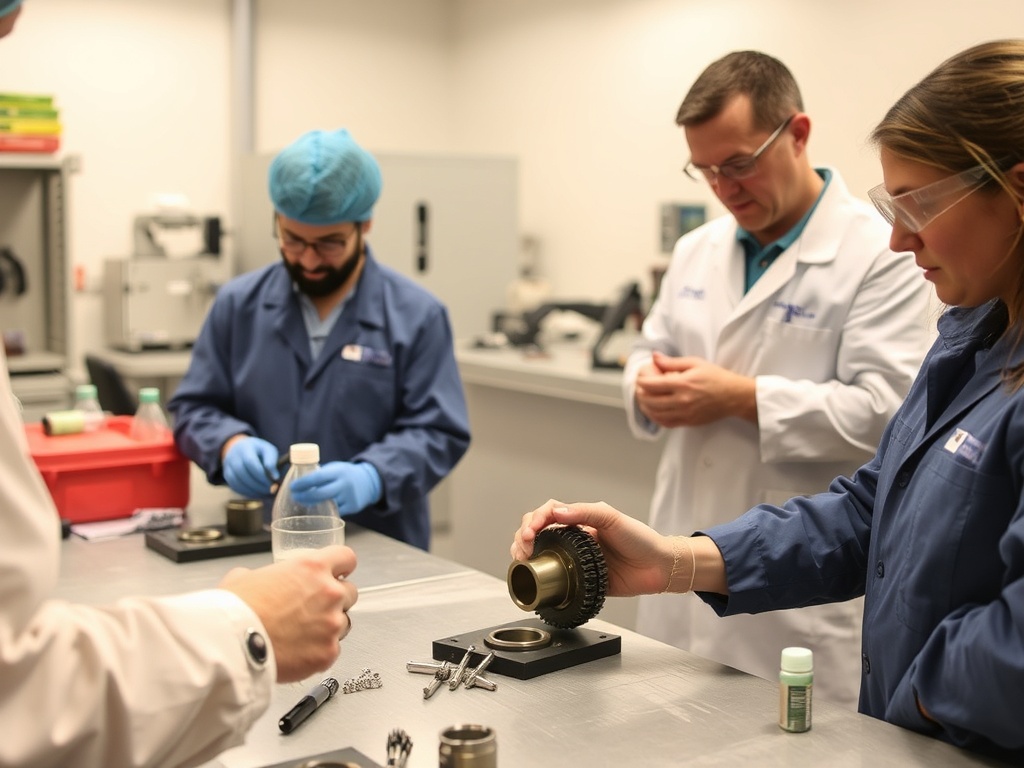
Common Questions We Hear
“Can you really replicate any cleaner?”
In most cases, yes.
We can identify:
- Full ingredient list
- Approximate percentages
- Functional roles
From there, we optimize—not just copy.
“Will it work at production scale?”
That’s exactly the point.
We don’t just analyze—we design for scale-up stability.
“What if we want to improve the formula?”
Even better.
Most clients don’t just replicate—they:
- Reduce cost
- Improve performance
- Adapt to local raw materials
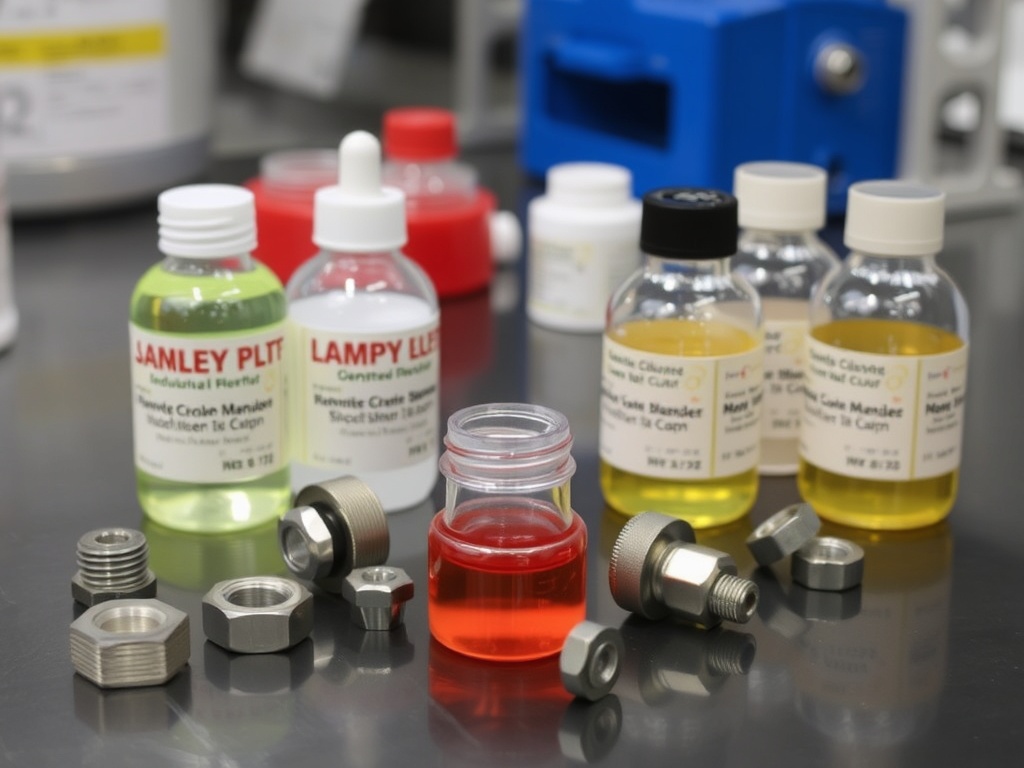
Why Companies Choose Formulation Analysis
At formulationanalysis.com, we focus specifically on:
- Industrial cleaning formulations
- Surfactant systems
- Degreasers, detergents, and specialty cleaners
We don’t offer generic lab testing.
We deliver actionable formulations you can manufacture.
Call to Action: Stop Guessing—Start Engineering
If you are:
- Struggling to replicate a competitor’s product
- Facing scale-up failures
- Dealing with unstable or inconsistent cleaning performance
- Trying to reduce formulation cost
Then reverse engineering is not optional—it’s the fastest path forward.
Contact Us
Visit:
👉 https://formulationanalysis.com
Or email:
📧 info@formulationanalysis.com
Send us your sample—and we’ll show you exactly what’s inside, how it works, and how to make it better.
Final Thought
Most industrial cleaning formulations don’t fail because they are poorly designed.
They fail because they were never engineered for scale.
That’s the gap reverse engineering fills.
And that’s where your competitive advantage begins.