The U.S. pet care market is no longer just growing—it’s fragmenting into highly specialized niches. One of the most competitive and lucrative segments is pet deodorising and grooming sprays, where consumer expectations go far beyond simply “masking odor.” Today’s buyers demand long-lasting odor neutralisation, skin-safe formulations, natural positioning, and premium sensory experience.
For emerging brands, contract manufacturers, and private-label entrepreneurs, this creates a critical challenge:
How do you develop a market-ready, high-performance pet deodorising spray—without spending 6–12 months on R&D, burning capital, and risking failure?
This is where reverse engineering (deformulation) becomes a strategic advantage.
The Real Pain Point: Speed vs. Risk in Product Development
In the U.S., many grooming brands and pet product startups face the same constraints:
- Limited in-house formulation expertise
- High R&D costs with uncertain outcomes
- Difficulty sourcing the right raw materials
- Lack of scalable manufacturing guidance
- Pressure to launch quickly into a competitive market
At the same time, they can clearly see what’s already working—best-selling deodorising sprays on Amazon, Chewy, and retail shelves.
The question becomes:
Why start from zero when you can start from a proven benchmark?
Case Overview: From Market Benchmark to Production-Ready Formula
Project Title: Reverse Engineering a Premium Pet Deodorising Spray
Client Type: U.S.-based private label grooming startup
Goal: Develop a comparable (and improved) deodorising spray based on a top-selling product, ready for commercial launch within 90 days
Initial Objectives
The client approached with a clear commercial vision:
- Replicate the odor-neutralising performance of a leading U.S. product
- Achieve non-irritating, pet-safe formulation suitable for frequent use
- Enhance fragrance longevity (target: >24 hours mild residual scent)
- Reduce production cost by at least 20–30%
- Enable domestic or offshore scalable manufacturing
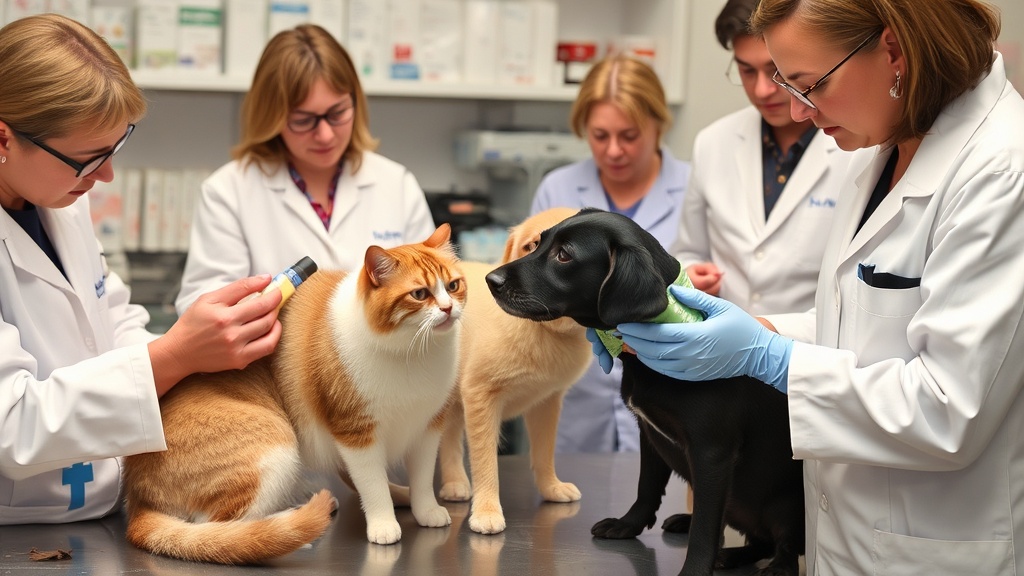
Step 1: Reverse Engineering the Benchmark Product
We began with a full deformulation analysis of the selected market-leading deodorising spray.
Analytical Scope
- Qualitative ingredient identification (surfactants, solvents, fragrance carriers, preservatives)
- Quantitative composition profiling (approximate percentage ranges)
- Functional system mapping, including:
- Odor neutralisation mechanism (e.g., cyclodextrin systems, zinc salts, or enzymatic components)
- Solubilisation system for fragrance oils
- Preservation system compatibility
Key Findings
The benchmark product relied on:
- A multi-component odor neutralising system, not just fragrance masking
- A mild, non-ionic surfactant system for stability and clarity
- A highly optimized fragrance solubilisation ratio, critical for transparency and shelf stability
- A low-cost water-based carrier, with strategic use of functional additives
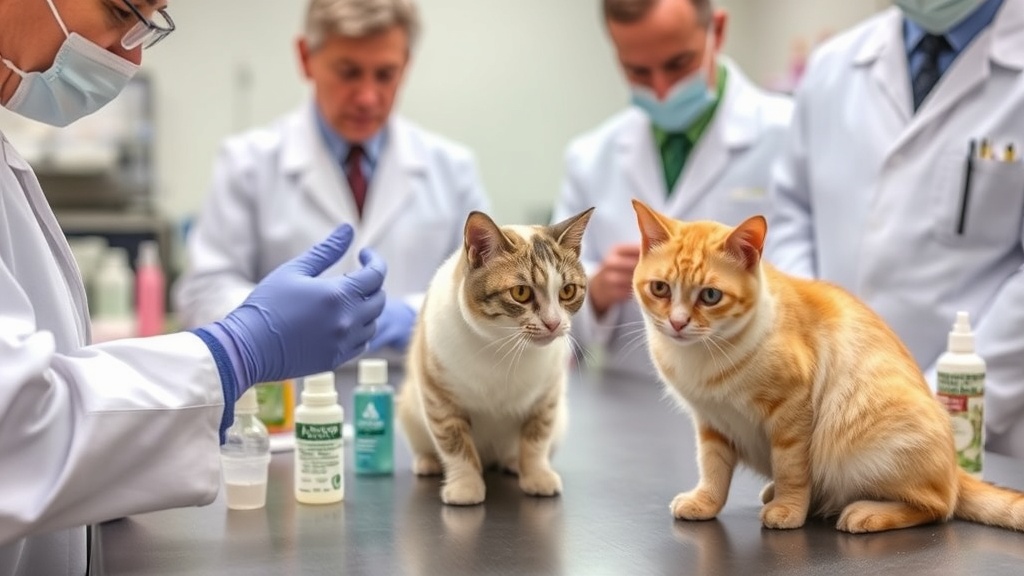
Step 2: Formulation Optimisation (Beyond Simple Replication)
Reverse engineering is not about copying—it’s about understanding and improving.
Based on the analytical data, we developed a customised formulation strategy:
Performance Improvements
- Enhanced odor neutralisation efficiency through synergistic active combinations
- Improved fragrance release profile for longer-lasting freshness
- Reduced potential skin sensitivity by selecting gentler surfactants and preservatives
Cost Engineering
- Replaced high-cost specialty ingredients with functionally equivalent, more economical alternatives
- Optimised ingredient ratios to maintain performance while lowering cost
Regulatory & Market Alignment
- Adjusted formulation to align with U.S. pet safety expectations
- Enabled “natural-inspired” or “clean label” positioning where required
Step 3: Raw Material Sourcing Strategy
One of the biggest hidden bottlenecks in product development is raw material sourcing.
We supported the client by:
- Identifying globally available suppliers for key ingredients
- Providing cost comparison across U.S., China, and Southeast Asia supply chains
- Ensuring consistency between lab-scale and production-grade materials
This step alone significantly reduced the client’s procurement risk and timeline.
Step 4: Scale-Up & Manufacturing Guidance
A formulation is only valuable if it can be manufactured reliably.
We provided:
- Pilot batch production protocols
- Mixing sequence and processing conditions
- Stability testing recommendations
- Packaging compatibility insights (e.g., spray nozzles, PET vs. HDPE)
This ensured that the formula transitioned smoothly from lab to factory.
Step 5: Contract Manufacturing Support
For clients without their own production facilities, we also assist with:
- Matching with suitable contract manufacturers (CMOs)
- Technical transfer documentation
- Production troubleshooting
This creates a complete pathway from idea to shelf-ready product.
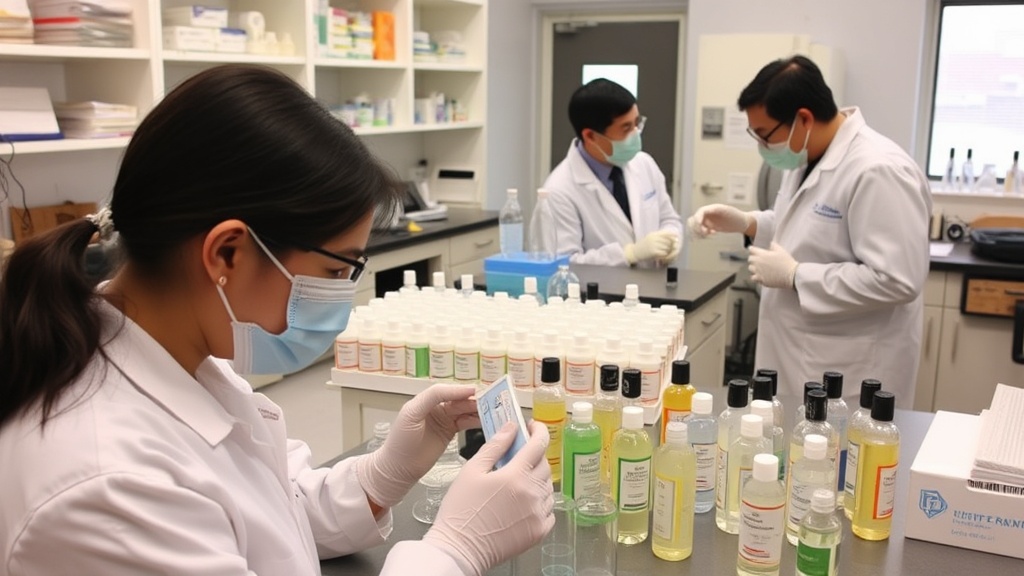
Results Achieved
Within approximately 90 days, the client achieved:
1. Commercial-Ready Formula
A fully optimised deodorising spray matching—and in some aspects exceeding—the benchmark product.
2. Cost Reduction of ~25%
Through formulation and sourcing optimisation.
3. Accelerated Time-to-Market
Reduced development timeline from an estimated 6–9 months to under 3 months.
4. Scalable Manufacturing Capability
Seamless transition to pilot and production batches.
5. Brand Ownership
The client launched under their own private label, with full control over formulation and supply chain.
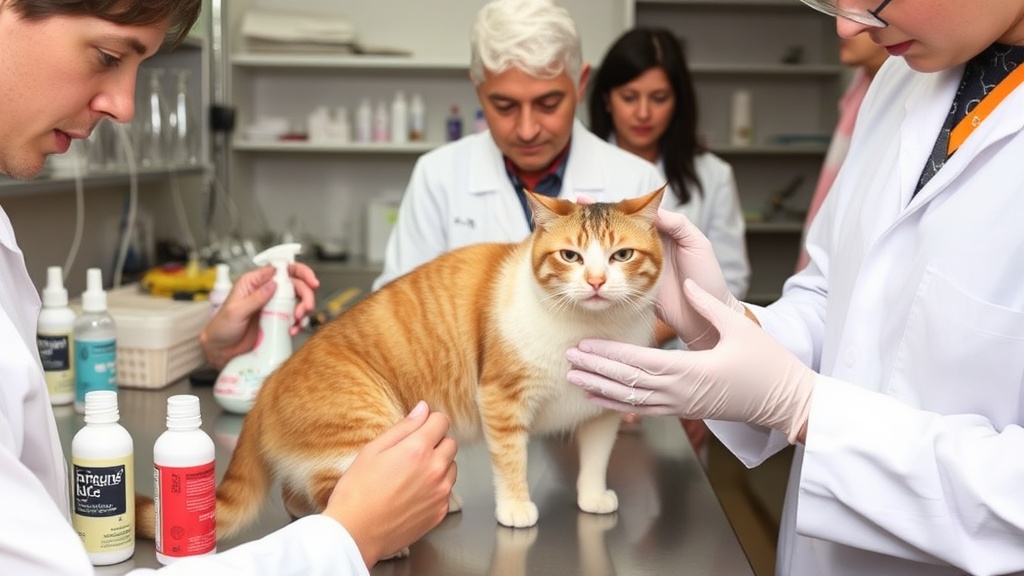
Why Reverse Engineering Works in the U.S. Pet Care Market
The U.S. market rewards:
- Proven performance
- Fast iteration
- Strong branding
Reverse engineering aligns perfectly with this environment because it allows you to:
- Start from validated market success
- Eliminate early-stage trial-and-error
- Focus resources on branding, marketing, and distribution
Who Benefits Most from This Approach?
This model is ideal for:
- Private label entrepreneurs entering pet care
- Grooming salons launching their own product lines
- Distributors building proprietary brands
- Small to mid-sized manufacturers expanding into new categories
If your goal is to own a product—not just sell someone else’s—you need a reliable formulation foundation.
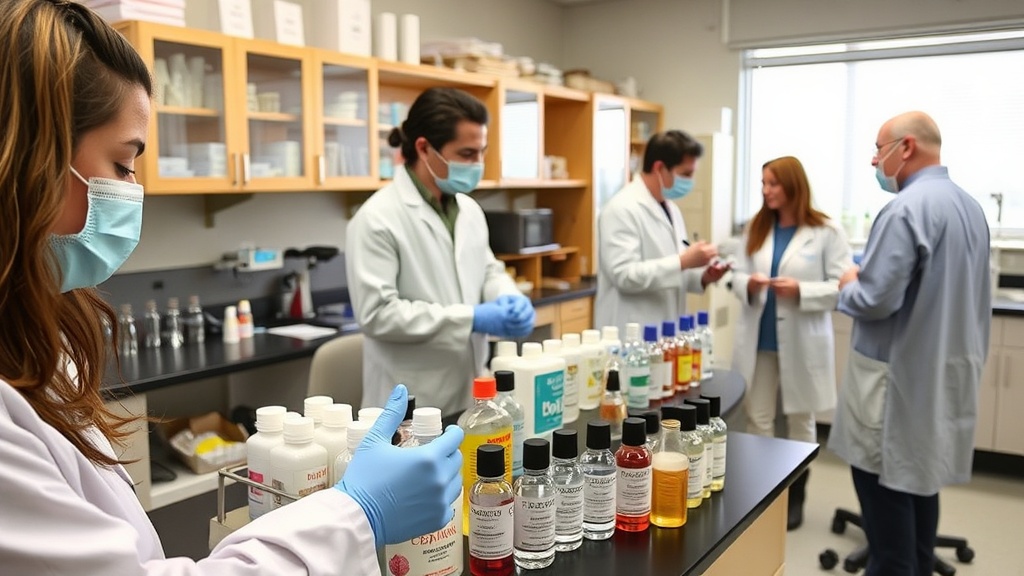
Reverse Engineering vs. Traditional R&D
| Aspect | Traditional R&D | Reverse Engineering Approach |
|---|---|---|
| Starting Point | From scratch | Proven market product |
| Time to Market | 6–12 months | 1–3 months |
| Cost | High, uncertain | Controlled, optimised |
| Risk | High failure rate | Significantly reduced |
| Outcome | Unpredictable | Benchmark-aligned |
The Strategic Advantage: Minimum Trial, Maximum Certainty
In highly competitive categories like pet deodorising sprays, success is rarely about invention—it’s about execution.
Reverse engineering gives you:
- A data-driven formulation baseline
- A clear path to optimisation
- A direct route to manufacturing and launch
This minimizes:
- Trial-and-error cycles
- Wasted raw materials
- Delayed revenue generation
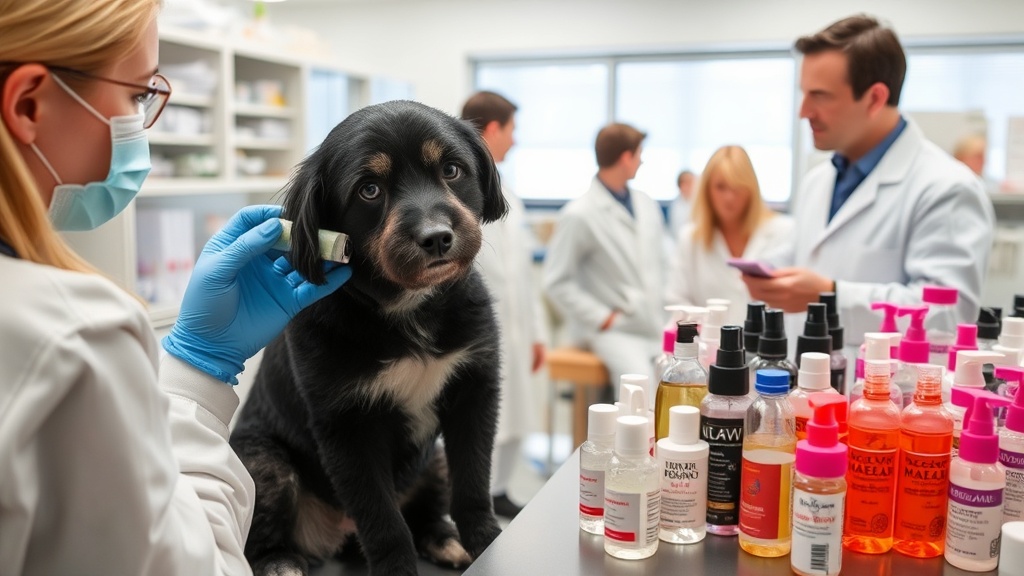
From Concept to Shelf: A Complete Technical Service Model
Our integrated service covers:
- Reverse engineering (deformulation analysis)
- Formulation optimisation
- Raw material sourcing
- Manufacturing guidance
- Contract manufacturing support
This is not just lab work—it’s commercial product development.
Final Thought: Build Your Own Best-Seller—Faster
If you’re looking at top-selling pet deodorising sprays and thinking:
“I want a product like this—but under my own brand, with better margins and full control”
Then reverse engineering is your most efficient path forward.
Instead of spending months experimenting, you can:
- Start with what already works
- Improve it strategically
- Launch faster with confidence
Ready to Develop Your Own Pet Grooming Product?
Whether you’re starting from an idea or a benchmark product, we can help you move from concept to commercial reality—quickly, efficiently, and with minimal risk.
Contact us today to discuss your project and receive a tailored technical roadmap for your product development.